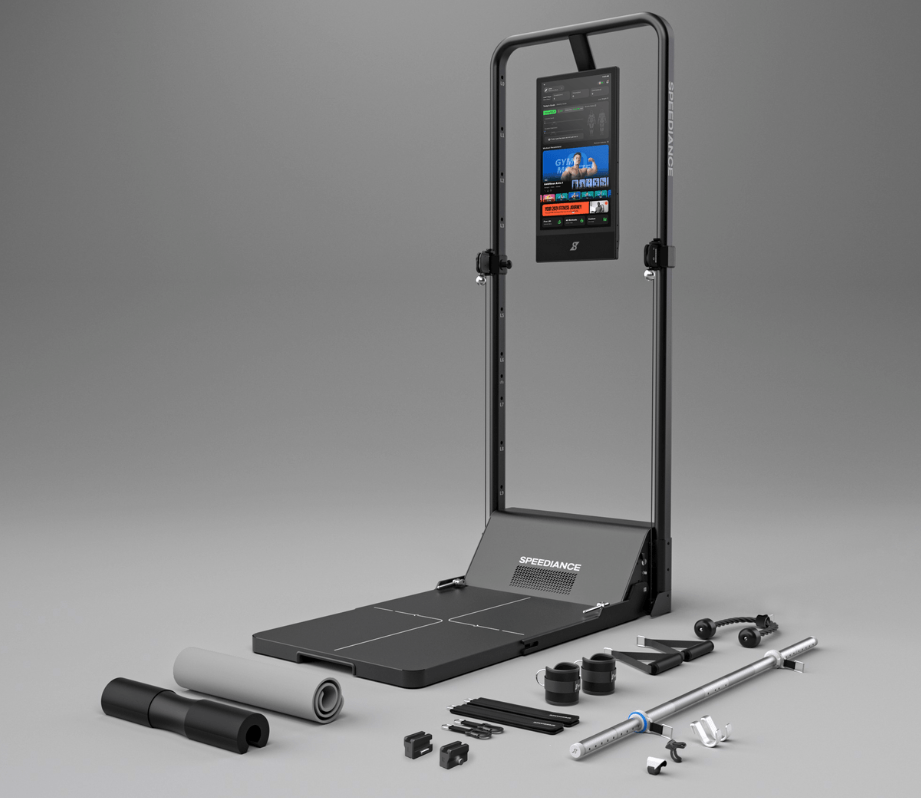
The home gym movement has evolved far beyond a corner with dumbbells and a bench. Serious athletes and experienced trainers are increasingly building dedicated training spaces that rival commercial facilities, driven by the desire for uninterrupted workout sessions and complete control over their programming. At the center of this shift stands the functional trainer machine—a versatile piece of advanced workout gear that bridges the gap between basic home setups and professional-grade training environments. For experienced athletes, the challenges are real: most consumer equipment tops out too quickly in weight capacity, lacks the fine-tuned adjustability needed for periodized programming, and fails to accommodate the diverse movement patterns that functional strength demands. This article explores how a functional trainer serves as the cornerstone of a comprehensive home gym solution, delivering the customization, resistance range, and exercise variety that dedicated athletes require. Whether you’re implementing progressive overload training protocols or simply need professional fitness equipment that keeps pace with your evolving goals, understanding what a functional trainer offers is the first step toward transforming your training space.
What is a Functional Trainer Machine? Defining Your Core Advanced Workout Gear
A functional trainer machine consists of two independent, adjustable cable columns mounted on a sturdy frame, each connected to a weight stack through a pulley system. The cables can be positioned at virtually any height along the columns, allowing users to pull, push, and rotate from countless angles. Unlike fixed-path machines such as leg presses or chest press stations that lock you into a single plane of motion, a functional trainer lets you train through three-dimensional movement patterns that mirror real athletic demands. You can perform everything from heavy cable squats and chest presses to rotational core work, single-arm pulls, and rehabilitation exercises—all on one machine. Traditional home gym setups often require multiple pieces of equipment to achieve this range, consuming valuable floor space and budget. The functional trainer consolidates these capabilities into a single footprint, making it a defining piece of professional fitness equipment for any serious training space. Its dual-cable independence also means you can train unilaterally, correcting strength imbalances that bilateral exercises often mask. For athletes who need their advanced workout gear to accommodate dozens of movement variations without swapping attachments or reconfiguring stations, the functional trainer machine for home delivers unmatched training versatility within a compact, purpose-built design.
Why Experienced Athletes Benefit from a Home Functional Trainer
For trainers and athletes who have moved beyond beginner programming, the home functional trainer solves problems that standard equipment simply cannot. When your training demands heavy compound movements followed by isolation work and sport-specific drills within a single session, traveling between machines at a crowded commercial gym wastes valuable training time. A functional trainer at home eliminates transition delays—you adjust the cable height, change the attachment, and move immediately into your next set. This time efficiency compounds over weeks and months into significantly more productive training volume. Space optimization is equally compelling; rather than dedicating room to a lat pulldown station, a cable crossover, and a dedicated core machine, one functional trainer handles all three roles within roughly twenty square feet. For athletes committed to progressive overload training, the independent weight stacks allow micro-loading adjustments that keep you advancing week over week without plateaus. You can increase resistance by small increments, add volume through supersets on opposing cables, or manipulate time under tension—all without leaving one station. The ability to perform heavy unilateral movements also means you’re constantly addressing asymmetries that could otherwise lead to injury during maximal efforts in competition or sport.
Essential Features for High-Capacity Gym Tools: Meeting Athlete Needs
Selecting the right functional trainer requires evaluating specific features that separate consumer-grade machines from true high-capacity gym tools built for serious training. The wrong choice leaves you outgrowing your equipment within months, while the right selection supports years of progressive development. Here’s what to prioritize when matching a functional trainer to advanced athletic demands.
High Weight Capacity: Ensuring Robust Performance for Advanced Training
Weight capacity directly determines whether your functional trainer can keep pace with your strength gains over time. Experienced athletes performing heavy cable rows, squat variations, or loaded carries need machines that won’t max out during peak training phases. Start by assessing your current working weights on cable-based movements, then add at least thirty to forty percent overhead to account for future progression. Look for machines featuring dual weight stacks that each offer substantial resistance independently, as this ensures unilateral exercises remain challenging even as you advance. Brands like Speediance have developed functional trainers with smart resistance systems designed to meet the demands of dedicated home athletes, making them worth evaluating as part of your long-term investment in high-capacity training equipment.
Precise Adjustment Systems: Tailoring Workout Intensity with Ease
The adjustment system on a functional trainer determines how quickly you can transition between exercises and how precisely you can implement progressive overload training. Cable pulley positions should offer multiple height settings along the column—the more increments available, the greater your ability to target muscles from exact angles. Resistance adjustments through magnetic pin selectors or plate-loaded systems each have advantages; pin-select stacks allow rapid weight changes mid-superset, while plate-loaded options often provide finer incremental loading. During sessions, set your pulley height first, select your attachment, then dial resistance to match your programmed intensity. Between sets, you should be able to add small increments without disrupting rest periods, keeping your training rhythm intact.
Durability and Build Quality: Investing in Professional Fitness Equipment
The frame construction and component quality of your functional trainer determine both safety under heavy loads and longevity through years of daily use. Heavy-gauge steel frames with powder-coated finishes resist corrosion and flexing during maximal efforts. Commercial-grade cables rated for high tensile strength prevent fraying and ensure smooth, consistent resistance throughout the range of motion. Sealed bearings in the pulley system reduce maintenance needs while maintaining fluid cable travel. When evaluating build quality, check weld points, test for frame wobble under load, and verify that all moving components operate without grinding or catching. These details separate true professional fitness equipment from machines that deteriorate under the demands of high-capacity training.
Setting Up Your Functional Trainer Home Gym: A Practical Guide
Transforming a room or garage into a functional training space requires deliberate planning before your machine arrives. Start by measuring your available area—account for the machine’s footprint plus at least four feet of clearance on each side and six feet in front of the columns to accommodate full cable extensions during movements like flies, woodchops, and lunges. Ceiling height matters too; confirm you have adequate overhead space for high-pulley exercises performed at full arm extension. Before assembly, ensure your flooring can handle the concentrated weight of the machine plus dynamic loading during training. Rubber gym flooring or thick stall mats protect both your subfloor and the equipment while reducing vibration and noise. During assembly, follow manufacturer torque specifications on all bolts, and have a second person assist with lifting the weight stacks into position safely. Once installed, perform a complete safety check: test every pulley position for smooth travel, verify that weight pin selectors lock securely, and inspect cable routing for proper alignment without rubbing against frame edges. To build a complete training environment around your functional trainer, pair it with complementary advanced workout gear—an adjustable bench positioned between the cables expands your exercise library dramatically, while a set of resistance bands attached to the frame adds accommodating resistance for speed work. A small rack of handles, bars, and rope attachments stored nearby keeps transitions fast and your programming options virtually limitless.
Advanced Workouts: Implementing Progressive Overload Training Techniques
A functional trainer becomes truly powerful when you apply structured progressive overload training to your programming. Begin each training block by establishing baseline working weights for your primary movements—cable chest press, single-arm rows, pallof press rotations, and cable squats. From there, apply progression through multiple variables rather than simply adding weight each session. Increase resistance by the smallest available increment every one to two weeks on compound movements, while adding an extra rep or extending time under tension on isolation work. A sample upper-body session might open with heavy bilateral cable chest presses for four sets, transition to single-arm rows with a two-second pause at peak contraction, then finish with high-to-low cable flies using a controlled eccentric tempo. For lower body, position the cables low for belt squats or Romanian deadlifts, progressively increasing volume by adding a set each week before resetting with heavier loads. Supersets between opposing cable columns—pairing a push with a pull without rest—elevate training density and cardiovascular demand simultaneously. By rotating through resistance increases, volume accumulation, and tempo manipulation across training blocks, your functional trainer supports continuous adaptation across every muscle group without ever requiring additional equipment.
Building Your Advanced Home Gym Around the Functional Trainer
The functional trainer machine stands as the single most impactful investment for experienced athletes building advanced home training environments. It consolidates the capabilities of multiple stations into one versatile platform, solving the core frustrations that serious trainers face—equipment that maxes out too quickly, machines that lock you into fixed movement paths, and setups that consume entire rooms without delivering proportional training value. Through high weight capacity stacks, precise cable adjustment systems, and commercial-grade construction, a quality functional trainer grows with you across years of progressive overload training rather than becoming a limitation within months. The transition from basic home gym to advanced training facility doesn’t require filling a space with dozens of machines. It requires one exceptional piece of professional fitness equipment positioned at the center of a thoughtfully designed space, supported by complementary tools like an adjustable bench and varied attachments. For athletes committed to continuous improvement, the functional trainer delivers the resistance range, movement freedom, and programming flexibility that sustained progress demands. Invest in build quality now, apply structured progression consistently, and your home gym will serve your evolving athletic goals for years to come.

How Do White Glasses Symbolize a Sustainable Lifestyle?
From Basic to Advanced: The Functional Trainer Home Gym Solution

Comprehensive Guide to Tagapli: Features, Benefits, and Usage