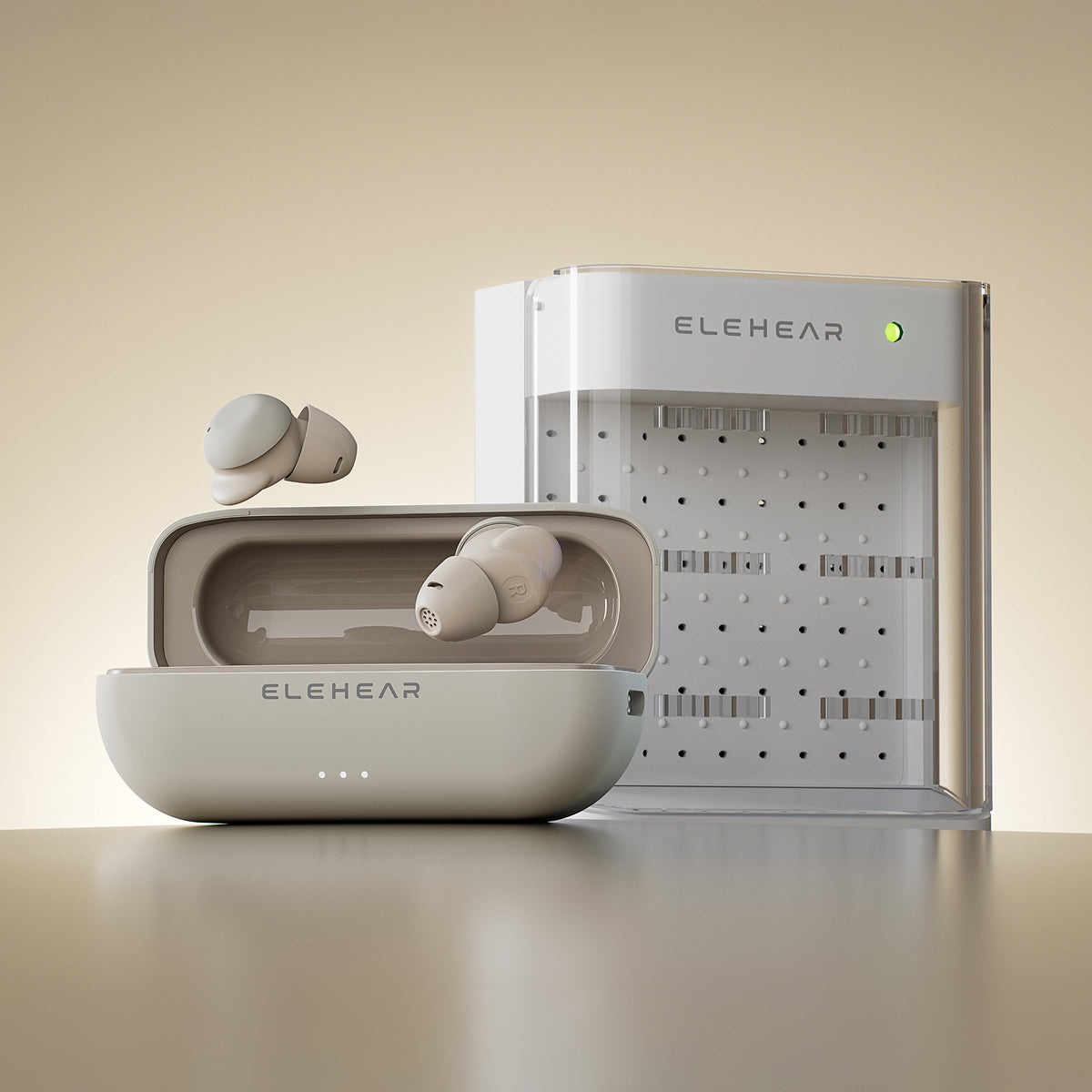
Choosing your first hearing aid can feel overwhelming. Between unfamiliar terminology, countless options, and concerns about appearance, many people delay getting the help they need for months or even years. The good news is that today’s best small hearing aids have transformed what it means to wear a hearing device. Gone are the bulky, conspicuous models of the past—modern options look like wireless earbuds, fit nearly invisibly behind the ear, and even use artificial intelligence to adapt to your surroundings automatically.
The rise of over-the-counter hearing aids has made the process even more accessible, eliminating the need for prescriptions and dramatically lowering costs for people with mild to moderate hearing loss. This guide is designed specifically for first-time buyers navigating this new landscape. We’ll walk you through what makes small hearing aids ideal for beginners, explore different types including earbud-style and AI-powered models, provide a step-by-step selection process, and share practical tips for getting the most from your new device—all with affordability and ease of use in mind.
What Makes Small Hearing Aids Ideal for First-Time Buyers?
For someone new to hearing aids, the thought of wearing a visible device can be just as daunting as the hearing loss itself. Small hearing aids address this head-on by offering designs so compact they’re virtually undetectable to others. This discretion matters because it removes one of the biggest barriers to adoption—the fear of looking different or drawing unwanted attention. Beyond aesthetics, smaller devices tend to feel less foreign in or around the ear, making the psychological adjustment much smoother for beginners who are already adapting to amplified sound.
Modern small hearing aids also benefit from miniaturized technology that rivals their larger counterparts in performance. Their portability means you can carry charging cases in a pocket, and their sleek profiles often resemble consumer tech products rather than medical devices. For first-time buyers, this combination of subtlety and sophistication creates a low-pressure entry point into better hearing.
Benefits of Discreet Design and Comfort
When a hearing aid is barely noticeable, wearers report feeling more confident in social and professional settings. Small devices sit flush against the skin or nestle deep within the ear canal, so they don’t interfere with glasses, hats, or phone use. Ergonomic designs with soft silicone tips and lightweight materials make all-day wear realistic even for beginners. Many first-time users worry about soreness or irritation, but today’s compact models distribute pressure evenly and weigh so little that most people forget they’re wearing them within the first week.
Ease of Use for Beginners
Simplicity is a hallmark of the best small hearing aids aimed at new users. Most feature one-button controls or touch-sensitive surfaces for adjusting volume and switching programs without fumbling. Initial setup often involves nothing more than downloading a companion app and following on-screen prompts. Maintenance is equally straightforward—rechargeable batteries eliminate the hassle of swapping tiny cells, and self-cleaning coatings reduce buildup. These thoughtful design choices mean you spend less time managing the device and more time enjoying clearer conversations.
Exploring Types of Small Hearing Aids: Keywords Integrated
The market for small hearing aids has diversified significantly, giving first-time buyers several distinct categories to consider. Each type brings unique advantages depending on your lifestyle, technical comfort level, and budget. Understanding these differences helps you narrow your search quickly rather than feeling paralyzed by options.
Earbud-Style Hearing Aids: Modern and Discreet
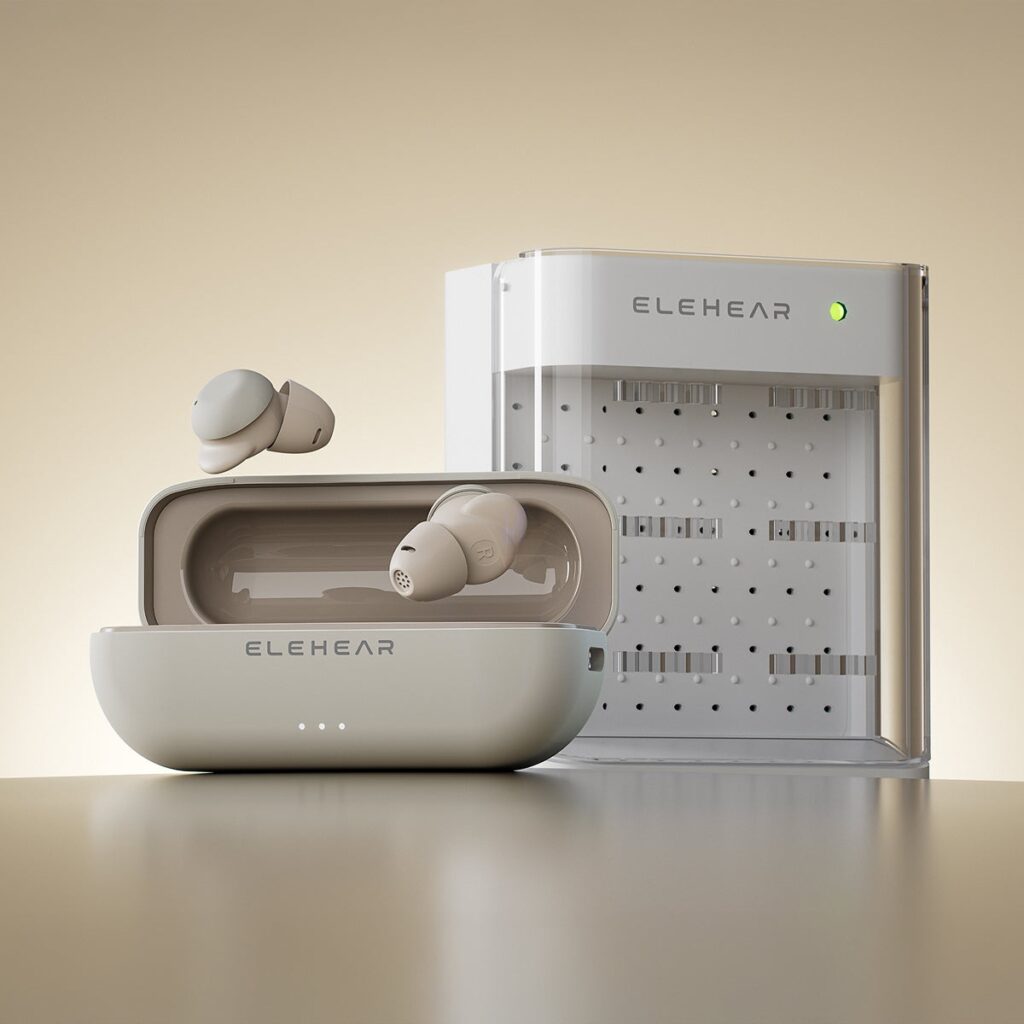
Earbud-style hearing aids look nearly identical to the wireless earbuds millions of people already wear for music and calls. This familiar form factor means nobody gives them a second glance, making them especially appealing to younger first-time buyers or anyone who values a tech-forward appearance. Most connect to smartphones via Bluetooth, allowing you to stream audio directly, adjust settings through an app, and even take phone calls hands-free. The learning curve is minimal if you’ve ever used consumer earbuds.
OTC Hearing Aids: Accessibility and Affordability
Over-the-counter hearing aids became widely available after FDA regulation changes, allowing adults with perceived mild to moderate hearing loss to purchase devices without audiologist visits or prescriptions. This accessibility eliminates scheduling barriers and significantly reduces overall cost. OTC models are sold online and in retail stores, so you can research, compare, and buy at your own pace. While they aren’t appropriate for severe hearing loss, they provide a practical starting point for many first-time buyers.
AI-Powered Hearing Aids: Smart Features for Enhanced Experience
AI-powered hearing aids use machine learning algorithms to analyze your sound environment in real time. They automatically suppress background noise in crowded restaurants, enhance speech clarity during conversations, and adjust volume based on whether you’re indoors or outdoors—all without manual input. Brands like ELEHEAR have embraced this approach, integrating AI-driven sound processing into compact designs that make the transition to amplified hearing remarkably seamless for beginners who don’t want to fiddle with settings constantly.
Budget-Friendly Hearing Aids: Cost-Effective Solutions
Budget-friendly options have improved dramatically, offering rechargeable batteries, multiple listening programs, and decent sound quality at accessible price points. The trade-offs typically involve fewer advanced features like AI processing or premium noise cancellation, and build materials may be less durable over time. However, for first-time buyers testing whether hearing aids will genuinely improve their daily life, these cost-effective solutions provide essential amplification and clarity without a major financial commitment.
How to Choose the Best Small Hearing Aids: A Step-by-Step Solution Guide
With so many options available, having a systematic approach to selecting your first small hearing aid prevents decision fatigue and ensures you end up with a device that genuinely fits your life. The following steps transform an overwhelming shopping experience into a manageable process focused on your specific needs, budget, and comfort level.
Step 1: Assess Your Hearing Needs and Budget
Before browsing any products, take an honest inventory of where you struggle most with hearing. Do you miss dialogue during television shows, strain to follow conversations in restaurants, or find phone calls difficult? Many manufacturers offer free online hearing screenings that take just five minutes and provide a general sense of your hearing loss severity. If results suggest mild to moderate loss, OTC options will likely serve you well. Next, establish a realistic budget by considering what you’d spend on other quality-of-life improvements like glasses or dental work. Remember that budget-friendly hearing aids can deliver meaningful improvement without requiring top-tier spending, so set a range rather than a fixed number.
Step 2: Look for Key Features Like Easy Setup and Modern Tech
Once you know your hearing profile and budget, focus on features that directly impact daily usability. Bluetooth connectivity lets you stream calls and media directly to your ears. A companion app with intuitive controls means you can fine-tune volume and sound profiles from your phone rather than pressing tiny buttons. Rechargeable batteries save you from the frustration of handling small disposable cells—most modern cases provide a full day’s charge in just a few hours. If you frequent noisy environments, prioritize models with AI-powered noise management that adapts automatically, reducing the need for manual adjustments during your transition period.
Step 3: Compare Top Models Based on User Reviews and Trials
Narrow your shortlist to three or four models, then dig into verified user reviews from people with similar hearing profiles and lifestyles. Pay special attention to comments about comfort during extended wear, real-world sound quality, and app reliability—these factors matter more than spec sheets. Many brands, including ELEHEAR, offer trial periods with full refunds, which is the single most valuable tool for a first-time buyer. Order your top choice, wear it consistently for at least two weeks in varied environments, and only commit once you’ve confirmed it works in the situations that matter most to you.
Step 4: Evaluate Warranties and Customer Support
As a beginner, you’ll likely have questions after purchase, so strong customer support isn’t optional—it’s essential. Check whether the company offers live chat, phone support, or video consultations with hearing specialists. Look for warranties covering at least one year against defects, and confirm whether accidental damage protection is available. Review the return policy details carefully, noting restocking fees or condition requirements. Brands that invest in responsive support and generous trial terms signal confidence in their product and genuine commitment to helping new users succeed.
Top Features to Prioritize for First-Time Buyers
When evaluating small hearing aids as a first-time buyer, certain features consistently separate satisfying purchases from disappointing ones. The best devices strike a balance between affordability, intuitive operation, and smart technology that adapts to your world. Rather than chasing every specification, focus on the capabilities that will genuinely shape your daily experience during those critical first months of use.
Affordability Without Compromising Quality
Value-packed models exist at every price tier, but identifying them requires looking beyond the sticker price. Consider the total cost of ownership, including replacement tips, charging accessories, and whether the device uses rechargeable or disposable batteries over its lifespan. Avoid brands that lock essential features like firmware updates or sound profiles behind additional paywalls. Budget-friendly hearing aids from reputable manufacturers often include the same core amplification technology found in premium lines—they simply trim extras like luxury case materials or extensive color options. Reading independent teardown reviews helps you spot which affordable models use quality components internally rather than cutting corners where it counts.
User-Friendly Controls and Mobile App Integration
A well-designed companion app transforms your smartphone into a powerful control center, letting you adjust treble and bass, save custom profiles for specific locations, and even run guided hearing assessments over time. Look for apps with clean interfaces, large text options, and built-in tutorials that walk you through each feature step by step. AI-powered models take this further by learning your preferences and making automatic adjustments, so the app becomes a place to review what the device has done rather than something you must constantly manage. For beginners, this combination of accessible manual control and intelligent automation creates a safety net—you always have the option to tweak settings, but you’re never required to.
Practical Tips for First-Time Hearing Aid Users
Owning your first small hearing aid is just the beginning—how you adapt during the initial weeks determines whether the device becomes an indispensable part of your routine or ends up in a drawer. A few intentional habits early on make all the difference in comfort, satisfaction, and device longevity.
Getting Used to Your New Hearing Aids
Start by wearing your hearing aids in quiet environments like your home for just a few hours each day, gradually increasing duration as your brain adjusts to processing amplified sounds. Conversations may sound slightly different at first, and background noises you haven’t heard in years—refrigerator hums, clock ticking—can feel surprisingly loud. This is normal and fades within one to two weeks of consistent use. Keep a brief journal noting which situations feel uncomfortable so you can fine-tune settings through your app or consult support resources. Online communities and manufacturer forums connect you with experienced users who’ve navigated the same adjustment period and can offer practical encouragement.
Maintenance and Care for Longevity
Wipe your hearing aids with a dry, soft cloth each evening before placing them in their charging case, removing any earwax or moisture that accumulated during the day. Store them away from bathrooms and kitchens where humidity is high, and never expose them to hair products or lotions while wearing them. Replace silicone ear tips every two to three months or whenever they lose their seal, since a proper fit directly affects sound quality. These simple routines take under a minute daily and can extend your device’s functional life by years, protecting your investment and keeping performance consistent.
Your First Step Toward Clearer Hearing
Finding the best small hearing aids as a first-time buyer doesn’t have to be complicated once you understand what’s available and what matters most. Today’s compact designs—from earbud-style models that blend seamlessly with everyday tech to nearly invisible behind-the-ear options—eliminate the stigma that once kept people from seeking help. The OTC revolution has opened doors for anyone with mild to moderate hearing loss to access affordable, quality devices without navigating complex medical appointments, while AI-powered features handle the technical adjustments that would otherwise overwhelm a beginner.
Use the step-by-step guide outlined here as your roadmap: assess your specific hearing challenges and budget, prioritize features that simplify daily use, lean on verified reviews and trial periods to test before committing, and confirm that solid customer support stands behind your purchase. Every person’s hearing journey is unique, but the right small hearing aid can reconnect you with conversations, entertainment, and moments you’ve been missing. Take that first step today—explore models that match your needs, take advantage of free trials, and give yourself the gift of clearer hearing without compromise.

How Technology is Changing the Way Children Learn — and Why That Matters
What Are the Best Small Hearing Aids for First-Time Buyers?
Optimize Team Scheduling with WiFi Time Clock Tracking