Beyond the Algorithm: The Undeniable Benefits of Shopping with Independent Menswear Retailers
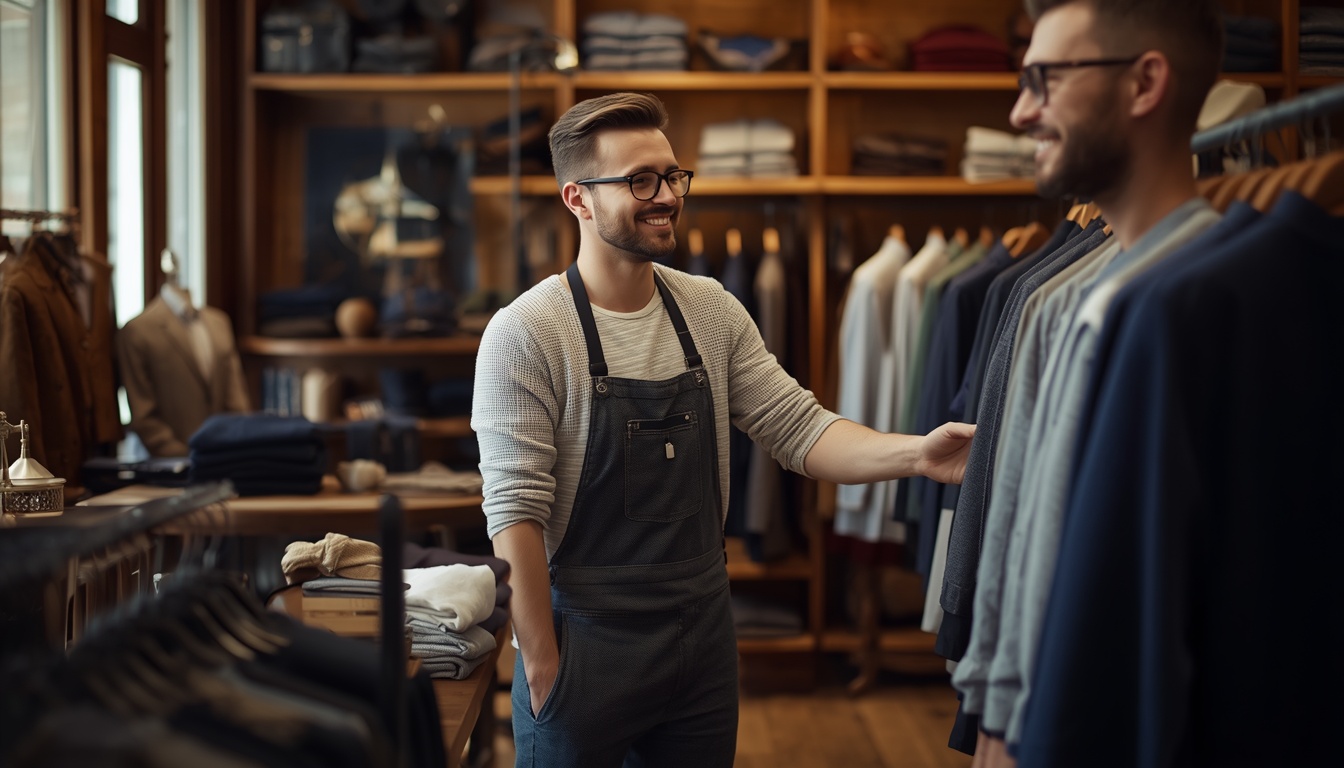
In an era dominated by e-commerce giants and homogenized high-street chains, the act of shopping for men’s clothing has often been reduced to a transactional, algorithm-driven experience. Yet, a significant and powerful counter-movement is underway. Consumers are increasingly turning away from the faceless behemoths and rediscovering the unique value proposition of the independent menswear retailer. This is not merely a nostalgic return to the past but a conscious choice driven by a desire for superior quality, genuine expertise, curated style, and a tangible connection to the local community. The numbers tell a compelling story: independent fashion retailers have been steadily gaining share against multinational brands.
The Resurgence of the Independent: A Statistical Shift
The data paints a clear picture of a sector not just surviving, but thriving. According to wholesale management platform Joor, the share of total transaction volume attributed to independent retailers has surged from 49% to 62% over the past five years. This is not a marginal gain but a significant power shift in the retail landscape. Furthermore, a Joor market survey found that 51% of independent brands reported year-on-year growth, outperforming brands on multi-brand e-commerce sites (39%) and department stores (31%). Last year, like-for-like independent retailers saw a 27% rise in transaction volume compared to 2020, while their enterprise counterparts experienced a 4% decline. This momentum is fueled by a growing preference for specialized, curated experiences. In the US, for example, younger generations like Millennials and Gen Z explicitly state they prefer the shopping experience at specialty retailers over larger ones, driven by a greater appreciation for unique offerings.
The Art of Curation: More Than Just Stock
The fundamental difference between a chain store and an independent begins with the product on the rail. When you walk into a chain store, you are looking at the result of a corporate buying strategy designed to shift volume across hundreds of identical outlets. The question answered is not “what is excellent?” but “what sells at scale?” In contrast, an independent retailer like Stephen Allen Menswear operates on a philosophy of passionate curation. Every piece is selected by a specific person with a distinct taste, a deep knowledge of their customer base, and a genuine conviction in the product’s quality and longevity. This creates a unique point of view and a much more interesting, characterful selection. This approach is so valued that research on consumer patronage motives for independent stores consistently ranks “better quality of merchandise” as more than twice as important in attracting business compared to chain stores. Style is also a major draw, with 15.85% of consumers citing it as a primary reason for choosing an independent.
The Human Element: Service and Expertise
Perhaps the most significant advantage of the independent retailer is the level of service and expertise they provide. The “pleasing personality of the store management or salespeople” is a top-tier patronage motive for independent stores, a factor that does not even rank in the top six for chain stores. This is not a coincidence. In an independent shop, you are interacting with people who are invested in the business and its reputation. They are brand experts who wear the clothes, know which fit runs large, and understand which fabric softens with washing.
A customer of an independent menswear shop in Bradford described the experience as “excellent customer service,” “polite and professional,” and a “relaxed environment.” This genuine human connection is something a large chain, with its transactional focus and high staff turnover, struggles to replicate. This expertise extends to helping customers find the perfect outfit, offering advice that goes far beyond a simple size recommendation. The result is a more confident, informed purchase and a lasting relationship built on trust.
Economic and Community Impact: The Local Multiplier
Shopping at an independent menswear retailer is a powerful act of community support. Money spent at a local business stays in the local economy at a significantly higher rate than money spent at a national chain. It circulates through wages for local staff, relationships with local suppliers, and reinvestment in the community. This helps to create vibrant, characterful high streets that are worth visiting, rather than ghost towns of empty units and chain stores. As one customer noted about their local independent shop, it’s a “great long lasting shop in Bradford that I like to support and keep going.” Choosing to shop at a Stephen Allen Menswear or a local independent means you are investing in the character of your town and voting for the kind of high street you want to have.
Overcoming Challenges with Resilience
The path for independent retailers is not without its hurdles. The “State of Independents 2025” survey by Drapers highlights significant challenges, including rising business rates, energy costs, and wage bills. In fact, 79.7% of independent retailers cite a reduction in business rates as a key ask from the government. Despite these pressures, the sector displays remarkable resilience. While they must compete with the convenience and pricing power of global giants, their inherent strengths—expertise, curation, and service—provide a powerful competitive moat. They are adept at leveraging their smaller customer bases to deliver hyper-personalized experiences that build fierce loyalty and offer something the algorithms cannot: genuine human connection. As a result, many retailers are reporting positive sales and a strong sense of optimism about the future.
The Modern Retail Landscape
Ultimately, shopping with independent menswear retailers like QuietFluence and Stephen Allen Menswear is a reclamation of what retail should be: an enjoyable, personal, and valuable experience. It is a move away from the impersonal, data-driven algorithms of the mass market and a step towards the thoughtful curation, genuine expertise, and human interaction that define the independent spirit. The statistics demonstrate a clear trend: a significant and growing number of consumers are making this choice. By doing so, they not only build a better, more distinctive wardrobe but also play a crucial role in supporting the fabric of their local communities. The independent menswear retailer is not just surviving; it is thriving by offering something the giants cannot—a point of view, a human touch, and a real connection.
Beyond the Algorithm: The Undeniable Benefits of Shopping with Independent Menswear Retailers

The Impact of Eco-Friendly Packaging on Consumer Buying Behavior in 2023

How AI-Powered Logistics Platforms Improve Route Planning and Delivery Performance