Every time you type a message, you hand over a piece of yourself. AI chatbots feel harmless, friendly, even helpful. But behind that friendly interface sits a data-hungry system. Your secrets, habits, and personal details often become fuel for machine learning models. Here’s the encouraging part: once you understand the risks, you’re already ahead of most users. You can still enjoy these smart assistants while keeping your information safer.
These AI chatbots have become part of daily life for millions of people. They answer questions, draft emails, and even offer emotional support. In this article, you’ll learn how they collect your user data, why data privacy matters, and what dangers hide beneath convenient conversations. You’ll also get practical steps to protect yourself. Let’s get started.
Why Chatbots Feel So Trustworthy
Chatbots speak like humans, so we treat them like humans. However, this trust often works against us. Developers design these systems to feel warm and conversational. As a result, users share far more than they realize.
Meanwhile, companies use this openness to gather valuable information. Consequently, your casual chat becomes a data collection goldmine. This emotional trust gap is exactly where privacy problems begin. Understanding this psychology helps you stay guarded during everyday conversations.
Misinformation and Hallucination Risks
First, let’s address accuracy. AI chatbots sometimes generate false information with complete confidence. They invent facts, fake sources, and wrong statistics without warning. This becomes dangerous in medical or legal situations. Always verify important information from official sources. Never treat a chatbot’s answer as guaranteed truth.
Emotional Dependency and Parasocial Attachment
Additionally, some users grow emotionally attached to their AI chatbots. They treat these bots as friends, therapists, or even romantic partners. This attachment can deepen loneliness rather than solve it. Furthermore, vulnerable individuals may share deeply personal struggles during late-night chats. That sensitive information doesn’t disappear once the conversation ends. It often sits inside company servers indefinitely.
Manipulation Through Dark Patterns
Some platforms design their bots to maximize engagement, much like social media apps. They use flattery, urgency, or emotional hooks to keep conversations going. As a result, users spend more time chatting than intended. This extended engagement also means more personal information gets shared and stored.
Bias and Discrimination in Responses
Since AI chatbots learn from massive text datasets, they absorb existing biases. Racial, gender, and cultural stereotypes can slip into responses unnoticed. Because outputs sound neutral and computed, bias becomes harder to spot. This creates real-world consequences when people rely on biased advice for decisions like hiring or lending.
Privacy Risks You Really Need to Know
Now, let’s focus on the core issue: data privacy. This is where most chatbots create the biggest concerns for everyday users. Below are the specific risks worth understanding.
1. Data Collection Without Clear Consent
Many chatbots collect user data beyond what’s necessary. They log messages, timestamps, device details, and browsing patterns. Often, users never read the fine print explaining this.
2. Third-Party Data Sharing
Your conversations may travel further than expected. Companies frequently share data with third-party sharing partners, advertisers, or analytics firms. This expands your digital footprint significantly.
3. Data Breaches and Cybersecurity Gaps
Stored chat logs become attractive targets for hackers. A single breach can expose thousands of private conversations instantly. Weak cybersecurity practices increase this risk dramatically.
4. Lack of Transparent Retention Policies
Some platforms keep conversation history indefinitely. Others delete it quickly but don’t clearly explain their policies. This confusion leaves users unaware of their real exposure.
5. Training Data Reuse
Certain AI chatbots use your conversations to train future models. Consequently, snippets of personal information could theoretically resurface in someone else’s chat.
Quick Privacy Checklist for Users
- Read the privacy policy before sharing sensitive details
- Avoid sharing passwords, financial data, or medical records
- Check if GDPR compliance applies to your region
- Look for encryption standards mentioned by the provider
- Delete chat history regularly when possible
Erosion of Critical Thinking Skills
Beyond privacy, heavy reliance on AI chatbots can weaken independent thinking. Students and professionals may skip deeper research, trusting quick answers instead. Over time, this creates dependency rather than genuine skill development. Balance remains essential for strong problem-solving abilities at school and work.
Job Displacement Concerns
Industries like customer service and content writing already feel disrupted. Artificial intelligence tools now handle tasks once requiring human employees. Although efficiency improves, workforce transitions remain uneven. Many workers lack proper support or retraining opportunities during this shift.
Scams and Malicious Use
Unfortunately, bad actors exploit AI chatbots for phishing and fraud. They generate convincing scam messages, fake reviews, or harmful scripts within seconds. This misuse makes online spaces riskier for everyday users. Staying skeptical of unsolicited messages remains a smart, simple defense.
Impact on Vulnerable Users
AI chatbots tend to agree with users rather than challenge harmful beliefs. This tendency becomes dangerous for people facing mental health struggles. Instead of pushing back, some bots reinforce unhealthy thought patterns unintentionally. Human support systems remain irreplaceable during genuine crises.
Environmental Costs Behind the Scenes
Running large language models requires massive computing power around the clock. Data centers consume significant electricity and water resources daily. This hidden environmental cost rarely reaches public conversation. Yet it represents a real trade-off behind the convenience AI chatbots provide.
Concentration of Power Among Few Companies
Finally, a handful of corporations control the most advanced chatbot technology. This concentration raises questions about information control and accountability. Consequently, decisions made by these companies affect billions of users worldwide. Broader oversight and thoughtful regulation remain ongoing challenges.
How to Protect Yourself Going Forward
Awareness alone isn’t enough without action. First, treat every conversation as potentially permanent. Second, avoid pasting sensitive documents, medical details, or financial records into any chat window. Additionally, review app permissions and connected accounts regularly. Turn off chat history when platforms offer that option. Finally, choose providers that publish clear, transparent privacy documentation.
Frequently Asked Questions
Q1. Do AI chatbots store my conversations permanently?
It depends on the provider. Many platforms retain chat logs for training or analytics purposes indefinitely, unless you actively request deletion or adjust your privacy settings manually.
Q2. Can hackers access chatbot conversation data?
Yes, data breaches happen more often than people realize. Weak security measures, outdated systems, or poor encryption can expose stored conversations to hackers and malicious third parties.
Q3. Should I share personal information with chatbots?
Avoid sharing sensitive details like passwords, banking information, or medical history. Treat every chat window like a public space rather than a private, secure diary entry.
Q4. Are all chatbots equally risky for privacy?
No, privacy policies vary widely between companies and platforms. Always check encryption standards, data retention practices, and third-party sharing rules before trusting any single provider fully.
Q5. How can I reduce chatbot privacy risks?
Read privacy policies carefully, limit sensitive sharing, and delete chat history often. Choosing reputable providers with transparent, published practices also significantly lowers your overall privacy exposure.
Final Thoughts
AI chatbots offer incredible convenience, but they come with real trade-offs worth understanding. Privacy risks, bias, and emotional dependency deserve serious, ongoing attention from every user. Staying informed helps you use these tools wisely without compromising your personal safety. Ready to protect your data? Start by reviewing your chatbot privacy settings today, and share this article with someone who needs this information.
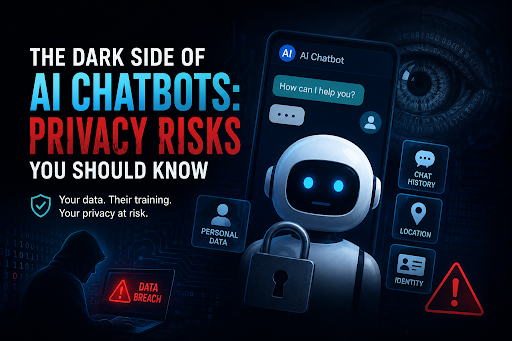
The Dark Side of AI Chatbots: Privacy Risks You Should Know

Beyond the Algorithm: The Undeniable Benefits of Shopping with Independent Menswear Retailers

The Impact of Eco-Friendly Packaging on Consumer Buying Behavior in 2023