

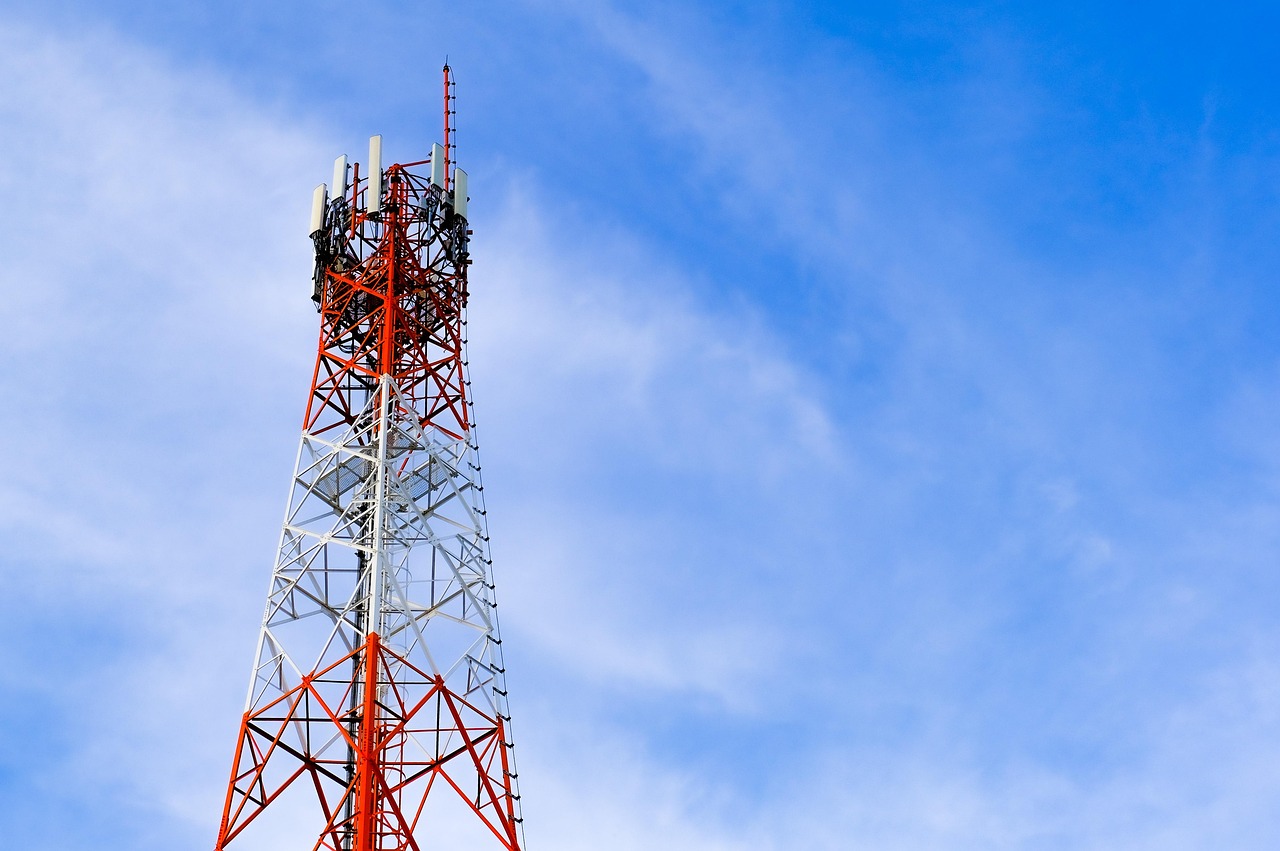
In today’s digital age, seamless connectivity is vital for both governments and businesses. One of the most significant initiatives in this domain is the state wide area network, often abbreviated as SWAN. Designed to enhance communication and data sharing across different levels of government, a state wide area network serves as the digital backbone for e-governance, public service delivery, and efficient administrative communication.
What is a State Wide Area Network?
A state wide area network is an integrated communication infrastructure that connects government offices across a state through high-speed data networks. It links district headquarters, block offices, and sometimes even village-level offices, ensuring that services and information are accessible at every level. SWAN acts as a centralized platform to facilitate data exchange, internet connectivity, and voice and video communication across various government departments.
Also, explore Viprow.us.com Soccer: Your Ultimate Guide to Online Football Streaming
Objectives of a State Wide Area Network
The primary goals of a state wide area network include:
- E-Governance Support: Delivering government services electronically to citizens.
- Administrative Efficiency: Reducing paperwork and enabling faster communication between departments.
- Transparency: Improving accountability through digitized systems and better record-keeping.
- Public Access: Enhancing citizen services such as certificates, applications, and grievance redressal.
- Integration: Connecting all levels of government offices for unified service delivery.
Key Features of a State Wide Area Network
A modern state wide area network comes with several defining features that make it effective:
- High Bandwidth Connectivity: Ensures fast data transmission and supports multiple applications.
- Scalability: Can be expanded to cover more offices and services as required.
- Redundancy and Security: Equipped with firewalls, encryption, and backup systems to protect sensitive government data.
- Multimedia Support: Enables video conferencing, voice communication, and data sharing in real time.
- Centralized Management: Provides a uniform control system for monitoring and troubleshooting network performance.
Benefits of a State Wide Area Network
The adoption of a state wide area network brings multiple advantages for governance and citizens alike:
- Improved Service Delivery: Citizens receive faster and more reliable services.
- Cost Efficiency: Reduces costs by minimizing paperwork and manual processes.
- Enhanced Collaboration: Promotes better coordination among government departments.
- Digital Inclusion: Extends IT-enabled services to remote and rural areas.
- Disaster Recovery: Supports backup and continuity of operations during emergencies.
Applications of a State Wide Area Network
The implementation of a state wide area network extends to several sectors, including:
- Public Administration: Facilitating efficient communication between state, district, and block offices.
- Education: Providing digital learning platforms and resources to schools in rural regions.
- Healthcare: Supporting telemedicine and data-sharing for better healthcare delivery.
- Agriculture: Assisting farmers through real-time information on weather, prices, and schemes.
- Law Enforcement: Enabling secure information sharing among police stations and control rooms.
The Future of State Wide Area Networks
With the advancement of cloud computing, 5G technology, and cybersecurity innovations, the future of state wide area networks looks promising. Governments are expected to integrate AI-driven analytics and IoT devices into SWAN infrastructure to make governance more data-driven and citizen-friendly.
FAQs about State Wide Area Networks
- What is a state wide area-network used for?
It is used to connect government offices and enable e-governance services across a state. - How does a state wide area-network improve governance?
It streamlines communication, improves service delivery, and promotes transparency in administration. - What technologies are used in state wide area-networks?
Technologies like fiber optic cables, leased lines, VPNs, and encryption systems are commonly used. - Is a state wide area-network beneficial for rural areas?
Yes, it provides access to government services, education, and healthcare in remote locations. - What challenges do state wide-area networks face?
Challenges include high maintenance costs, cybersecurity risks, and the need for skilled IT professionals.
Conclusion
In conclusion, a state wide area-network is a critical infrastructure for building digital governance and improving public service delivery. By connecting government offices across different administrative levels, SWAN ensures efficiency, transparency, and accessibility for citizens. As technology continues to evolve, the scope of state wide area-networks will expand further, bridging the gap between citizens and governments, and laying the foundation for inclusive digital growth.

Trendywinner .com: Everything You Need to Know

Honest Review: We The People of New York Legal Services NYC – “Legal Document Prep NYC”

VidsSave: A Simple and Reliable Online Video & Music Downloader
![Top 7 HBO Max Video Downloaders List [2025]](https://thetechnotricks.net/wp-content/uploads/2025/11/Top-7-HBO-Max-Video-Downloaders-List-2025.webp)