Introduction
In today’s hyper-connected digital world, threats to cybersecurity are more prevalent than ever. Among these, virus88 has gained attention as a term often used to describe malware, phishing attacks, or malicious software targeting computers, networks, and personal data. While virus88 may not correspond to a single confirmed malware strain, it symbolizes the growing risks faced by individuals and organizations online. Understanding these risks and implementing protective measures is essential for maintaining digital safety.
What is Virus88?
virus88 is commonly referenced online as a representation of digital threats, including:
- Malware infections
- Spyware or ransomware attacks
- Phishing attempts or hacking tools
Although virus88 is not officially cataloged in malware databases, the term serves as a warning about potential online threats. Its primary purpose is to raise awareness about cybersecurity risks and emphasize the importance of vigilance in online environments.
How Virus88 Affects Users
Cyber threats associated with virus88 can affect both individuals and organizations in various ways:
- Data Theft: Sensitive files, banking information, or personal documents may be stolen.
- System Corruption: Malware can slow down, freeze, or crash operating systems.
- Financial Fraud: Stolen credentials may lead to unauthorized transactions.
- Privacy Invasion: Spyware may monitor user activity without consent.
- Business Risks: Companies may face operational disruptions and financial losses if their systems are compromised.
Understanding these risks is the first step in developing effective cybersecurity practices.
See also Infector Virus: A Complete Guide to Understanding and Prevention
Real-World Examples
Although virus88 is a general term, similar digital threats often occur through:
- Fake software downloads claiming to optimize system performance
- Spam emails containing malicious links or attachments
- Phishing websites impersonating trusted organizations
- Compromised advertising networks delivering harmful scripts
Users encountering such threats may experience data loss, unauthorized account access, or system malfunctions.
Preventive Measures Against Virus88
Protecting yourself and your organization requires a combination of technology and user awareness. Effective strategies include:
1. Install Reliable Antivirus Software
Use trusted antivirus programs such as Windows Defender or Malwarebytes, and ensure automatic updates are enabled to protect against the latest threats.
2. Enable Firewalls
Firewalls add an extra layer of security by controlling incoming and outgoing network traffic.
3. Practice Safe Browsing
Avoid suspicious websites, unverified downloads, and unknown links. Verify the source before clicking.
4. Regular Software Updates
Keep operating systems, applications, and plugins up to date to close potential security gaps.
5. Strong Password Management
Use unique, complex passwords for each account, and consider two-factor authentication for sensitive accounts.
6. Employee and User Training
Educate users to identify phishing emails, malicious attachments, and other social engineering attempts. Awareness is often the most effective defense.
The Importance of Cybersecurity Awareness
Education and awareness play a crucial role in mitigating risks. Organizations should implement cybersecurity programs to train employees, while individual users should stay informed about emerging threats. By fostering a culture of digital safety, the risk of falling victim to malware or cyber attacks can be significantly reduced.
The Future of Protection Against Virus88
As technology evolves, so do cyber threats. Modern cybersecurity solutions increasingly rely on:
- Artificial Intelligence (AI) and Machine Learning (ML) for automated threat detection
- Advanced monitoring systems to detect unusual behavior
- Government and corporate investments in robust cybersecurity frameworks
The evolving nature of malware like virus88 underscores the need for continuous vigilance and adaptive security strategies.
See also How are viruses different from bacteria apex? Complete Guide
FAQs About Virus88
Q1: Is virus88 a real virus?
A1: While not officially documented, virus88 represents potential malware and cyber threats commonly found online.
Q2: How can virus88 affect my device?
A2: It can lead to system slowdown, data theft, unauthorized access, or even total system failure.
Q3: Can antivirus software protect against virus88?
A3: Yes, updated antivirus programs can detect and remove threats similar to virus88.
Q4: What should I do if I suspect a virus88 infection?
A4: Disconnect from the internet immediately, run a full system scan, and use trusted tools to remove malware.
Q5: How can I prevent virus88 in the future?
A5: Adopt safe browsing habits, update software regularly, use strong passwords, and educate yourself about cyber threats.
Conclusion
Virus88 may not refer to a specific malware strain, but it symbolizes the growing challenges in today’s cybersecurity landscape. By understanding its risks, implementing preventive measures, and fostering cybersecurity awareness, individuals and organizations can significantly reduce the likelihood of digital attacks. Technology will continue to advance, and so will threats like virus88, but proactive vigilance and responsible online behavior are key to staying safe in the digital world.

h5.onfilom.com: What It Is, Why It Appears, and How Users Should Treat It
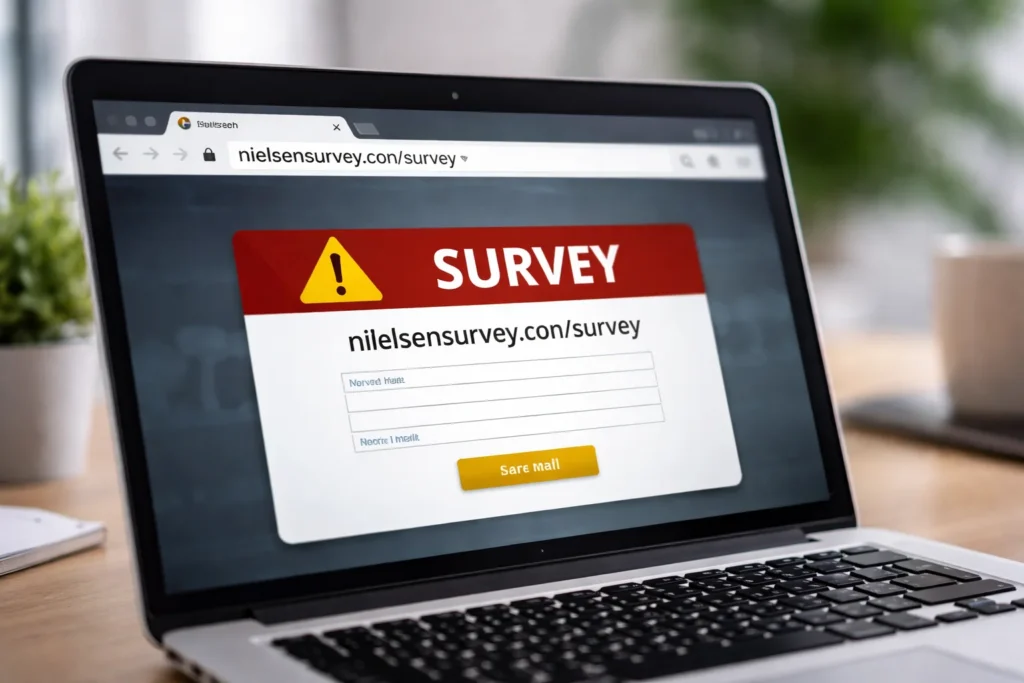
nielsensurvey.con/survey – Real Nielsen Survey or Fake Link? Complete Safety Guide
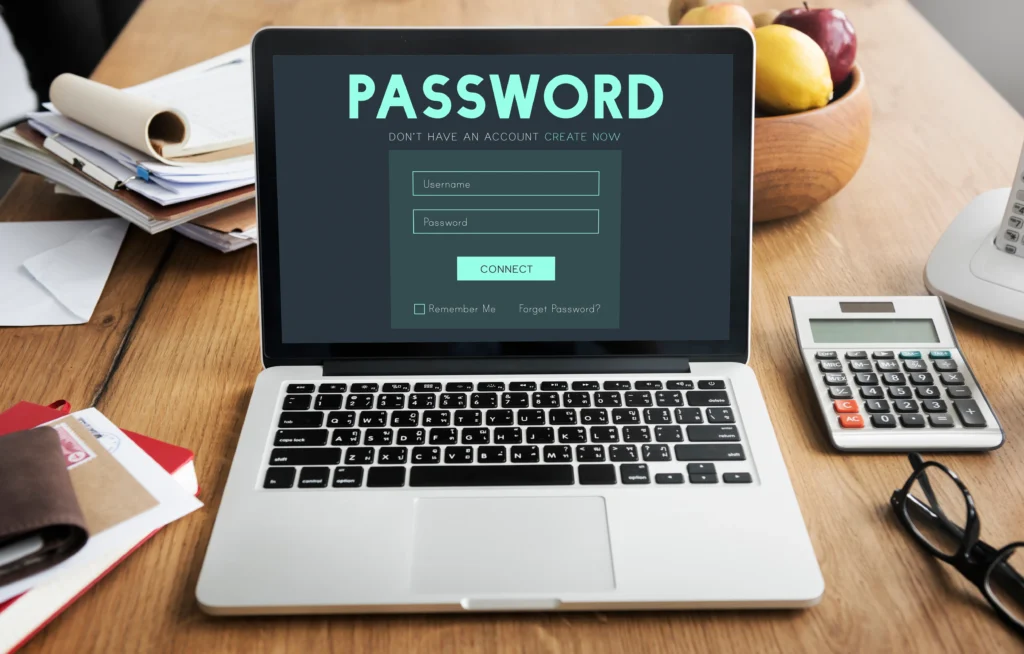
Strong Password Guide: Create & Manage Safe Logins