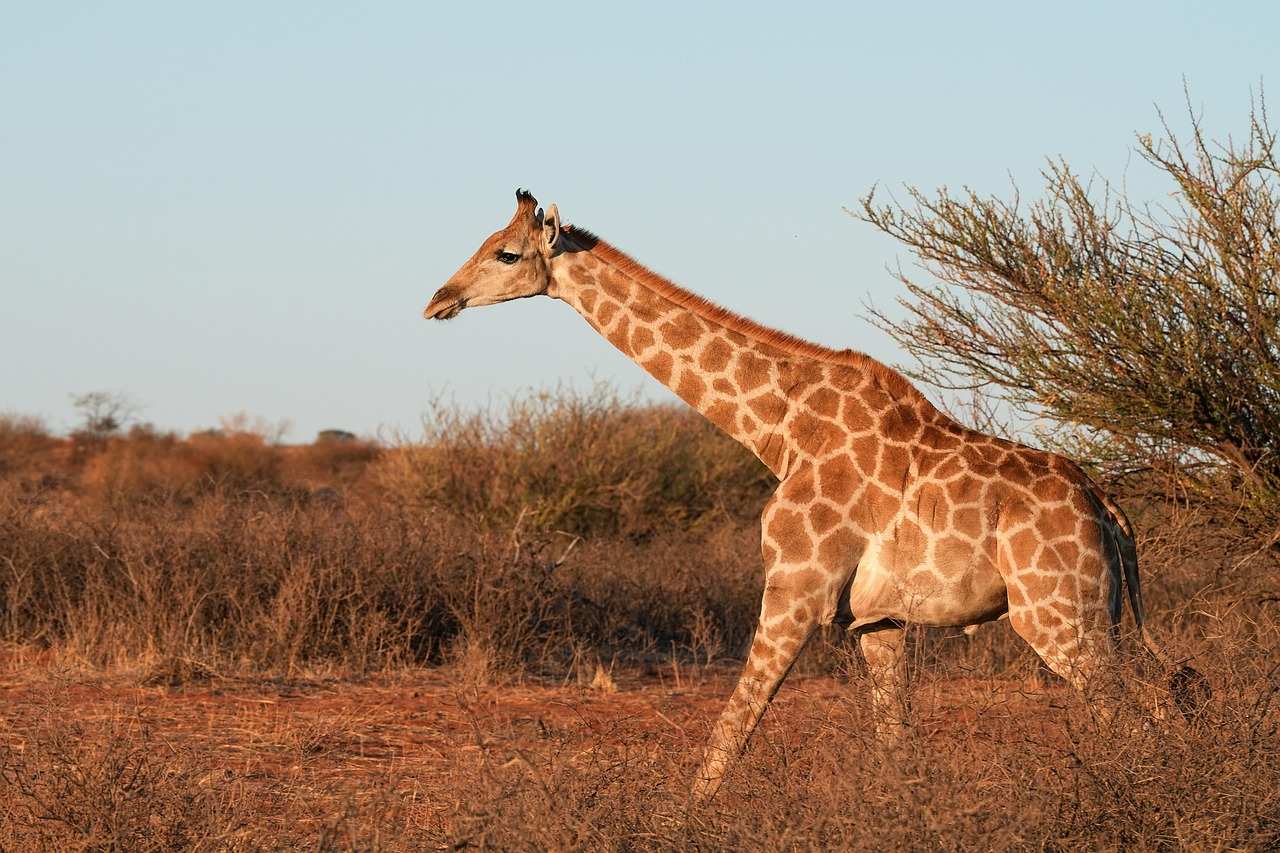
Giraffes are among the most iconic animals on Earth, admired for their incredible height, graceful movements, and unique appearance. For wildlife enthusiasts and platforms like Garforfans, understanding the biology, behavior, and conservation of giraffes is a captivating journey. These gentle giants are not only the tallest land mammals but also play an essential role in maintaining the balance of ecosystems across Africa.
Introduction to Giraffes
Giraffes (Giraffa camelopardalis) are native to the savannas, woodlands, and grasslands of sub-Saharan Africa. With their distinctive long necks and spotted coats, they are instantly recognizable. Despite their somewhat awkward appearance, giraffes are incredibly well-adapted animals. Their height, often exceeding 18 feet for males, allows them to feed on leaves and twigs that other animals cannot reach, primarily from acacia trees. This feeding habit makes them vital in shaping plant growth and supporting biodiversity. Platforms like Garforfans highlight these fascinating details for enthusiasts eager to learn more about giraffes in their natural habitats.
Also, explore Pertadad: Driving the Future of Digital Innovation
Physical Characteristics of Giraffes
One of the most remarkable aspects of giraffes is their anatomy. Their neck alone can be over six feet long, yet it contains only seven vertebrae, the same as most mammals. Their long legs allow them to cover vast distances quickly, reaching speeds up to 35 miles per hour. Giraffes also have unique spotted patterns, which serve as camouflage in the wild and are as individual as human fingerprints. The ossicones, or horn-like structures on their heads, are another distinguishing feature.
Behavior and Social Structure
Giraffes are social animals that live in loose groups called towers. These groups usually consist of females and their young, while males may form bachelor groups or live alone. Unlike other herd animals, giraffes do not have a rigid social hierarchy. Their communication is subtle, often involving low-frequency sounds below the range of human hearing. For readers of Garforfans, this silent communication underscores just how complex giraffe behavior can be.
Diet and Feeding Habits
As herbivores, giraffes mainly consume the leaves, buds, and flowers of tall trees, particularly acacias. Their prehensile tongue, which can extend up to 18 inches, helps them grasp and strip foliage with ease. This adaptation, combined with their height, ensures they have access to food sources unavailable to many other animals. Their feeding habits also aid in seed dispersal, which contributes to the growth and regeneration of plant species across African landscapes.
Conservation Status of Giraffes
Despite their iconic status, giraffes face growing threats in the wild. Habitat loss, illegal hunting, and human-wildlife conflict have led to a significant decline in giraffe populations over the past three decades. The International Union for Conservation of Nature (IUCN) currently lists some giraffe subspecies as endangered. Conservation organizations, along with awareness platforms such as Garforfans, work tirelessly to raise global attention about protecting these gentle giants. Preserving giraffes is not just about saving a species—it’s about safeguarding the health of entire ecosystems.
Cultural and Ecological Importance
Throughout history, giraffes have captured human imagination, appearing in ancient art, folklore, and even as symbols of grace and vision. Ecologically, giraffes help maintain the balance of African ecosystems by pruning trees and enabling sunlight to reach lower vegetation layers. This process supports smaller herbivores and contributes to biodiversity. Platforms like Garforfans emphasize this broader ecological significance to help people understand why giraffes must be protected.
Conclusion
Giraffes are extraordinary creatures that symbolize the beauty and fragility of nature. Their towering presence, unique adaptations, and ecological role make them one of the most fascinating animals in the world. Thanks to educational initiatives like Garforfans, more people are becoming aware of the importance of giraffe conservation. Protecting these animals is a shared responsibility that ensures future generations can continue to marvel at their elegance in the wild.
FAQs
- Why are giraffes so tall?
Giraffes evolved long necks to reach foliage high up in trees, reducing competition for food with other herbivores. - How long do giraffes live in the wild?
On average, giraffes live about 20 to 25 years in the wild, though they may live longer in protected reserves. - What is the purpose of giraffe spots?
Their spots provide camouflage in their environment and also help regulate body temperature by dissipating heat. - Are giraffes endangered?
Some giraffe subspecies are considered endangered due to habitat loss, poaching, and human encroachment. - How do giraffes contribute to ecosystems?
By feeding on tall trees and dispersing seeds, giraffes promote plant growth and biodiversity across African landscapes.

Why Choose High-Tech Electric Scooters Over Traditional Options for Commuting?

Recognizing Pet Emergencies: When to Seek Immediate Help from a Veterinarian in Maple Valley, WA

What Are the Benefits of a Ruffled Shower Curtain for Homeowners?