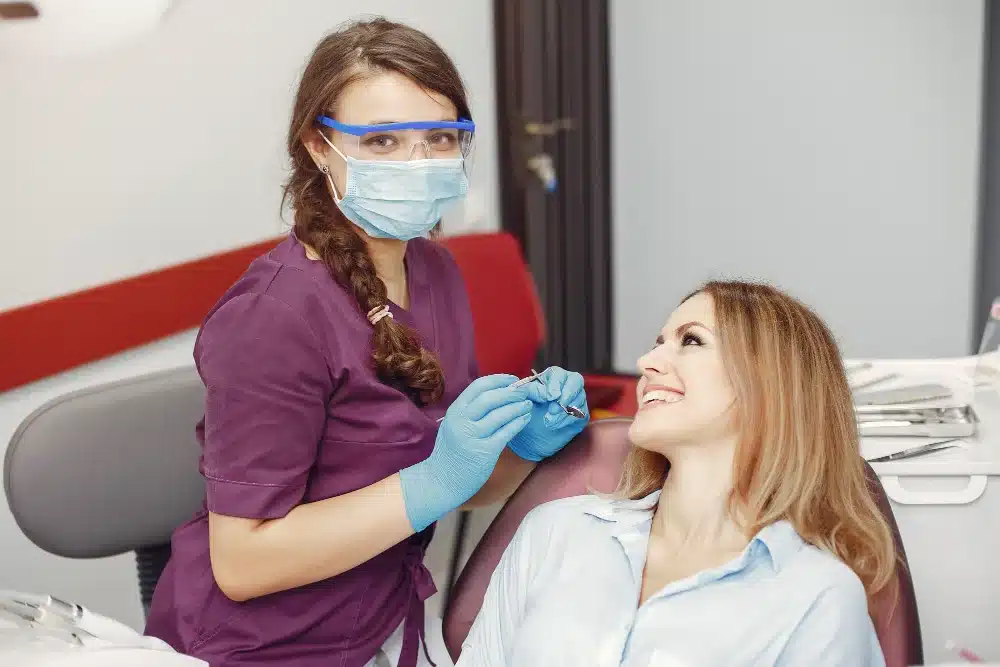
New Jersey’s healthcare environment is both diverse and complex, encompassing major academic medical centers, regional hospitals, community health centers, local health departments, mental-health agencies, and nonprofit organizations committed to public-health improvement. Because the state features densely populated urban areas like Newark, Camden, and Jersey City, fast-growing suburban communities, and more rural counties in the northwest and southern regions, healthcare needs vary dramatically.
To address these statewide disparities, organizations depend heavily on grant funding to maintain services, expand access to care, support preventive health programs, and respond to emerging health challenges. A wide range of grants is available, stemming from state agencies, federal health authorities, private philanthropic foundations, regional community foundations, corporate funders, and national databases such as The Grant Portal, which helps connect organizations with current funding opportunities.
New Jersey faces several pressing health-related issues that make grant funding not only beneficial but essential. Chronic diseases such as diabetes, heart disease, cancer, and asthma have a significant impact on many communities, particularly those with economic or environmental disadvantages. Behavioral-health needs continue to grow, with high demand for mental-health support, addiction recovery services, crisis response, and youth behavioral-health programming. Additionally, urban regions struggle with environmental health concerns related to industrial pollution and aging infrastructure, while rural regions face transportation obstacles and reduced access to specialists. Grants allow organizations to build programs that address these barriers, improve health equity, and deliver needed services to populations who might otherwise go without care.
The Grant Portal is a helpful starting point for identifying funding opportunities. Its nationwide platform compiles a variety of grant listings for medical services, community health initiatives, clinic improvements, outreach efforts, behavioral-health programs, and technology upgrades such as telehealth. Many New Jersey nonprofits, clinics, and public-health organizations rely on this resource to find both public and private funding that supports their mission.
New Jersey is home to several major private foundations that invest heavily in health and medical services. One of the most influential is the Robert Wood Johnson Foundation, headquartered in the state. Though it funds initiatives across the country, its commitment to health equity, community health transformation, and systemic healthcare improvements also significantly benefits New Jersey communities. The foundation supports programs that address social determinants of health, advance behavioral-health care, reduce disparities, and promote healthier living conditions.
Another important statewide philanthropic leader is the Horizon Foundation for New Jersey, affiliated with one of the state’s largest health insurers. This foundation funds initiatives that promote behavioral-health access, improve chronic-disease prevention, enhance nutrition and fitness programming, and expand culturally competent care across the state. It frequently supports hospitals, community health centers, local nonprofits, and grassroots wellness programs.
Several regional and community foundations also contribute substantially to New Jersey’s health landscape. The Community Foundation of New Jersey funds programs addressing youth well-being, health-care access, aging, and community-based wellness initiatives. The Princeton Area Community Foundation often supports mental-health programs, maternal-and-child health services, and needs-driven community initiatives. The Jewish Community Foundation of Greater MetroWest NJ also contributes to public-health projects and services for seniors, families, and vulnerable populations.
South Jersey benefits from philanthropic efforts as well. The Community Foundation of South Jersey provides grants for programs addressing behavioral-health resources, family services, maternal health, and preventive wellness. The Pascale Sykes Foundation focuses on strengthening families, improving community well-being, and supporting programs that integrate social and behavioral-health services.
State agencies play an equally crucial role, particularly the New Jersey Department of Health, which administers numerous grant programs that support maternal and child health, chronic-disease management, infectious-disease response, school-based health programs, public-health emergency preparedness, and environmental health initiatives. Funding also supports behavioral-health expansion, addiction treatment, and youth-prevention programs. Local health departments, hospitals, community organizations, and grants for nonprofit health agencies frequently apply for and benefit from these resources.
Federal support is another major pillar of New Jersey’s health funding framework. The Health Resources and Services Administration financially supports Federally Qualified Health Centers, rural health initiatives, community clinics, and telemedicine projects. Many programs help address provider shortages, improve access in underserved communities, and expand care outreach. The Substance Abuse and Mental Health Services Administration funds addiction-recovery services, crisis-intervention efforts, mental-health programs for children and adults, and integrated behavioral-health models. The Centers for Disease Control and Prevention supports public-health capacity, disease-prevention programs, epidemiology workforce training, and community health projects throughout the state.
Across New Jersey, organizations use grants to expand care delivery, improve community health education, strengthen wellness initiatives, enhance chronic-disease management, support maternal-health programs, and help seniors age safely in place. Grants also enable clinics and hospitals to invest in medical equipment, update facilities, adopt new technology systems, and expand staff training. Many programs target the social factors that influence health — such as food security, stable housing, transportation, and environmental safety — recognizing that these factors profoundly affect long-term outcomes.
Rural communities, though a smaller portion of the state, also rely heavily on grants funding. Mobile health clinics, telehealth programs, and community-based health centers depend on grants to maintain access to medical and behavioral-health services across areas with limited provider availability.
Given this diverse funding landscape, New Jersey organizations rely on tools like The Grant Portal to sort through opportunities, track application cycles, and match their service needs with the right funders. This approach helps nonprofits and health agencies create sustainable funding strategies and maintain strong service delivery.
In summary, New Jersey offers a comprehensive network of grant opportunities supporting health and medical services statewide. Through generous private foundations, regional philanthropic partners, state health departments, federal programs, and national grant-search tools like The Grant Portal, organizations can access the funding necessary to improve community wellness, expand services, and build healthier, more resilient populations.
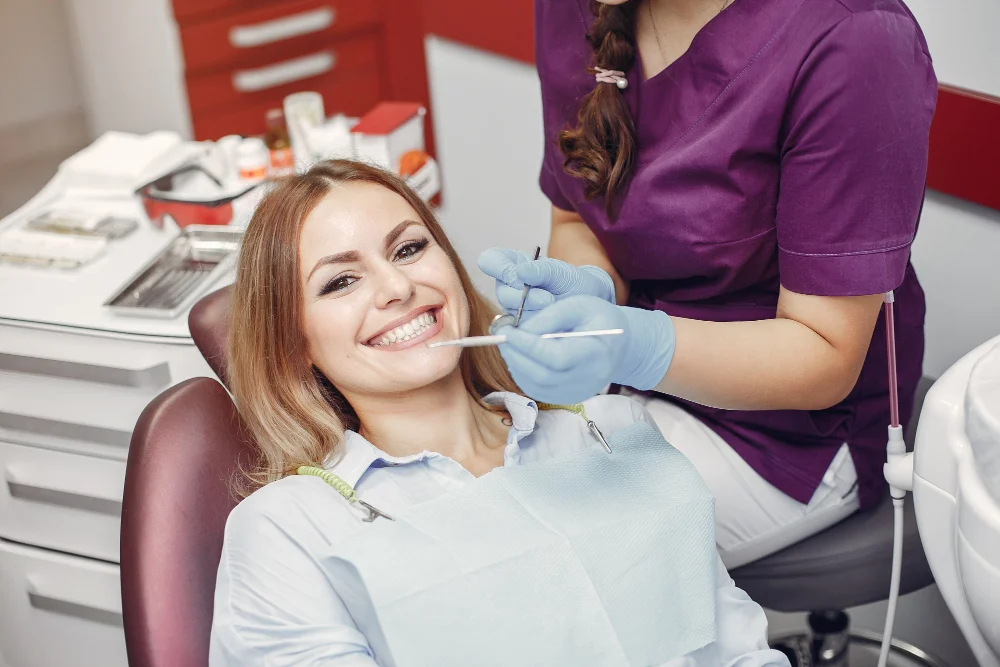
5 Questions To Ask About Cosmetic Dentistry At A Family Dental Office
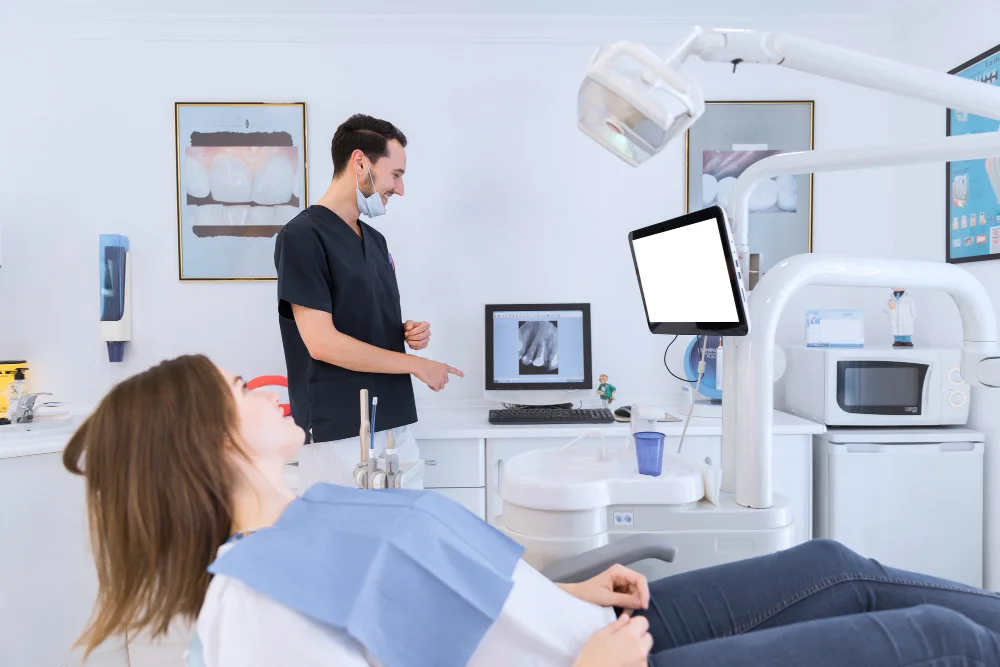
3 Benefits Of Establishing A Dental Home For Your Family

Tips For Maintaining Oral Hygiene Between Family Dental Visits