

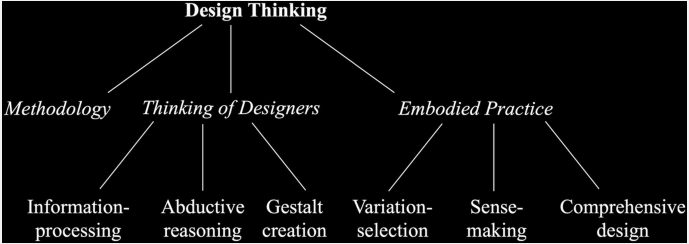
The term gessolini is often associated with a refined and structured concept that reflects modern design thinking, specialized craftsmanship, and systematic development. While interpretations may vary depending on context, it is generally linked to approaches that emphasize precision, aesthetic balance, and functional value. This concept has gained recognition for its relevance in environments where quality standards, detail orientation, and innovative processes are essential.
Understanding this concept requires examining its foundational ideas, practical relevance, and the benefits it offers to individuals and organizations seeking reliable and adaptable solutions.
Also, explore elida schoology – A Complete Informational and Professional Guide
Core Characteristics of Gessolini
Emphasis on Structure and Precision
A key characteristic lies in its strong focus on structural integrity and accurate execution. The approach values carefully planned processes that minimize errors and enhance overall consistency. This makes it suitable for applications where attention to detail and methodical workflows are critical.
Balance Between Aesthetics and Functionality
Another defining element is the balance it creates between visual appeal and practical usability. Rather than prioritizing appearance alone, it integrates functional design principles that ensure outcomes are both effective and visually refined. This balance supports long-term usability without sacrificing quality.
Adaptability Across Applications
The concept is also recognized for its flexibility. It can be adapted to different settings, supporting custom solutions while maintaining a consistent framework. This adaptability allows it to evolve alongside changing requirements and emerging trends.
Applications and Use Cases
Professional and Creative Environments
In professional settings, the concept is often applied to support process optimization, creative planning, and quality management. Teams use it to establish clear standards, improve collaboration, and achieve more predictable results.
Creative industries also benefit from its structured yet flexible nature. By combining creative freedom with organized methodologies, professionals can deliver innovative outcomes while maintaining reliability.
Educational and Developmental Contexts
Educational environments value this approach for encouraging disciplined learning, analytical thinking, and systematic problem-solving. Learners gain a framework that helps them understand complex ideas through logical progression and practical application.
Long-Term Strategic Value
From a strategic perspective, the concept contributes to sustainable growth. By focusing on quality control, resource efficiency, and continuous improvement, it supports long-term objectives rather than short-lived results.
Advantages and Key Benefits
One of the main advantages is enhanced consistency. Clear structures reduce variability and ensure dependable outcomes. Another benefit is improved efficiency, as well-defined processes help save time and resources.
The concept also promotes innovation with stability. By providing a reliable foundation, it allows experimentation without compromising core standards. This combination strengthens credibility, user trust, and overall performance.
Challenges and Considerations
Despite its strengths, effective implementation requires commitment. Organizations and individuals must invest in planning, training, and evaluation to fully realize benefits. Overlooking these elements can limit effectiveness.
It is also important to maintain balance. Excessive rigidity may restrict creativity, while too much flexibility can weaken structure. Finding the right equilibrium ensures optimal results.
Frequently Asked Questions
1.What does this concept primarily focus on?
It focuses on structured processes, quality execution, and balanced design principles.
2.Is it limited to a single industry?
No, it can be applied across professional, creative, and educational fields.
3.Does it require specialized expertise?
While experience helps, the core principles are accessible through training and practical application.
4.How does it support long-term goals?
By emphasizing consistency, efficiency, and continuous improvement, it supports sustainable success.
5.Can it adapt to changing needs?
Yes, adaptability is a core strength, allowing alignment with evolving requirements.
Conclusion
In conclusion, gessolini represents a thoughtful and adaptable approach centered on precision, balance, and functional excellence. By integrating structured methodologies with creative flexibility, it offers lasting value across multiple applications. When applied with care and consistency, gessolini becomes a reliable framework for achieving high-quality and sustainable outcomes.

Vamiswisfap: Meaning, Usage, and Practical Clarity


Yeti Yarmcol: Meaning, Context, and Real-World Usage
