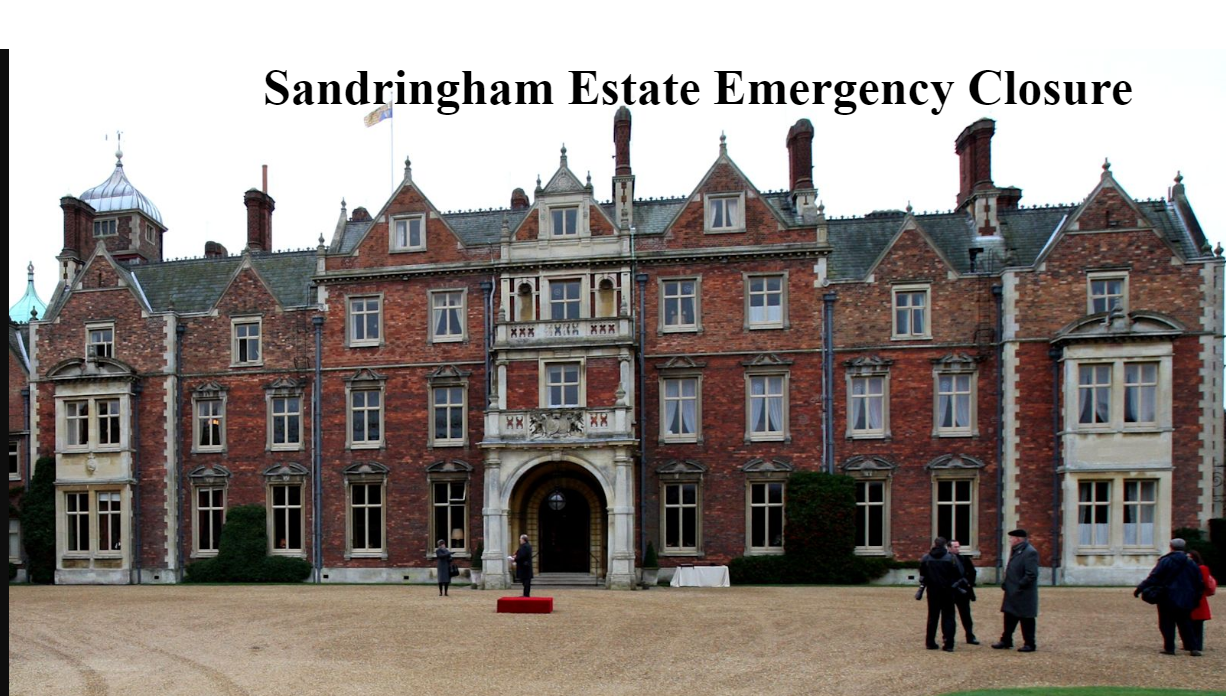
The Sandringham Estate is widely recognized for its historical significance, royal associations, and cultural value. As a privately owned estate with public access areas, it operates under carefully managed conditions to ensure visitor safety, heritage preservation, and environmental protection. An emergency closure refers to the temporary restriction of access due to unforeseen circumstances that require immediate action.
A situation described as sandringham estate emergency closure is not a routine decision. It is typically implemented when continuing public access could pose risks or interfere with urgent management responsibilities. Such measures are designed to be precautionary and are lifted once conditions are deemed safe and stable.
Also, explore Xlecz – A Complete Informational and Professional Guide
Reasons Behind Emergency Closures at Historic Estates
Public Safety and Risk Management
The most common reason for an emergency closure is public safety. Hazards such as severe weather, structural concerns, or environmental risks may compromise visitor wellbeing. Estate authorities prioritize risk assessment and preventive action to avoid accidents and ensure compliance with safety regulations.
Environmental and Conservation Concerns
Historic estates often include woodlands, gardens, and protected wildlife habitats. Sudden environmental issues, including storm damage or ecological threats, may require restricted access to support conservation efforts and restoration work. Temporary closure allows experts to address these challenges without external interference.
Operational and Security Requirements
Occasionally, closures are linked to operational needs or security considerations. As a site of national importance, Sandringham requires heightened security protocols during certain situations. Emergency restrictions help maintain controlled access and safeguard both the estate and its visitors.
Sandringham Estate Emergency Closure Procedures
Communication With the Public
When an emergency closure is initiated, estate management typically focuses on clear communication. Official announcements ensure visitors receive timely and accurate information regarding access limitations, alternative arrangements, and expected updates. Transparent messaging supports public trust and minimizes confusion.
On-Site Management and Response
During restricted periods, teams work behind the scenes to resolve the underlying issue. This may involve maintenance crews, conservation specialists, or safety inspectors conducting assessments and repairs. The goal is to restore normal operations while preserving the estate’s heritage integrity.
Reopening and Safety Assurance
Before reopening, authorities conduct thorough evaluations to confirm that risks have been mitigated. This includes final inspections, compliance checks, and updated safety measures. Only once standards are met is public access restored, ensuring a secure and enjoyable experience.
Impact on Visitors and Local Communities
Emergency closures can temporarily affect tourism activity, local businesses, and visitor plans. However, these measures are generally short-term and implemented with long-term benefits in mind. By prioritizing safety and preservation, estate management helps maintain the site’s reputation and sustainability.
Visitors are encouraged to stay informed through official channels and to plan flexible itineraries when visiting historic locations. Understanding the purpose behind closures fosters appreciation for the careful stewardship required to manage such sites.
Frequently Asked Questions
1.What does an emergency closure mean for visitors?
It means public access is temporarily restricted to address safety, environmental, or operational concerns.
2.Are emergency closures planned in advance?
No, they are typically unplanned and implemented in response to unexpected situations.
3.How long do such closures usually last?
The duration varies depending on the issue, but they are intended to be as brief as possible.
4.Will visitors receive advance notice?
While advance notice is not always possible, authorities aim to communicate updates promptly through official sources.
5.Does a closure affect the estate’s long-term operations?
No, these measures support long-term preservation and safe public access.
Conclusion
In conclusion, sandringham estate emergency closure represents a responsible and precautionary approach to managing a site of exceptional historical, cultural, and environmental importance. By prioritizing safety, conservation, and clear communication, estate authorities ensure that temporary disruptions ultimately protect the long-term value of the estate for future generations.

The Raid Progression Tips: How Guilds and PUGs Overcome Boss Walls

Exploring the Potency of 10 mg THC Candies and How Individual Factors Contribute

How Much Do Agencies Charge for Website Design? A Complete Guide for Businesses