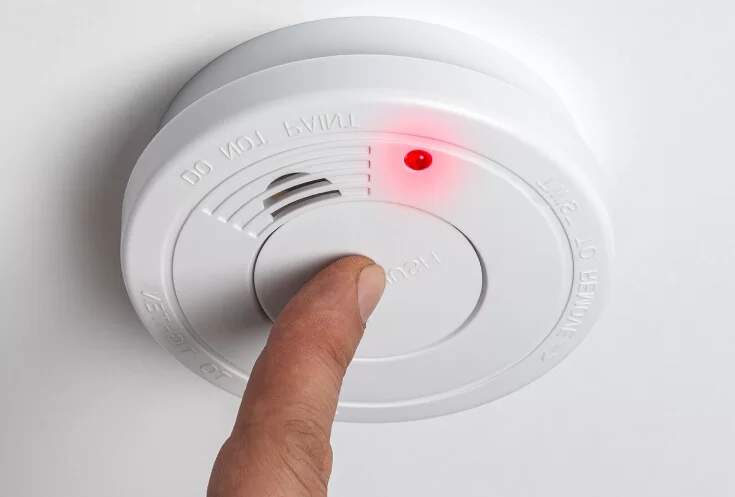
A smoke alarm is designed to protect lives, so when it starts making unexpected noises, it should never be ignored. Smoke detector beeping usually indicates that the device needs attention rather than signaling an active fire. Understanding the reasons behind these alerts helps homeowners respond quickly and maintain a safe living environment.
Unlike a continuous alarm, intermittent chirping is often a maintenance warning. These alerts are built-in safety features intended to notify users of issues before the detector fails. Recognizing the difference between an emergency alarm and a warning beep is the first step toward proper action.
Also, explore demetris fenwick – A Complete Informational Overview
Common Reasons Behind smoke detector beeping Alerts
Low or Depleted Battery
The most frequent cause is a low battery. Smoke detectors rely on batteries for continuous operation, even when connected to household power. When battery voltage drops, the unit emits periodic chirps to alert occupants. Replacing the battery promptly restores normal operation and ensures reliable detection.
Dust, Dirt, or Insects
Over time, dust particles, debris, or even small insects can enter the sensing chamber. This interference can trigger warning sounds. Regular cleaning with a soft brush or compressed air helps maintain sensitivity and reduces false alerts.
Power Supply Issues
Hardwired alarms may beep due to power interruptions. A brief outage or loose connection can cause the system to switch to backup power, resulting in warning sounds. Checking circuit breakers and ensuring secure wiring can resolve this issue.
End of Device Life
Smoke detectors are not designed to last forever. Most units have a service life of 7 to 10 years. Once this period ends, internal components may degrade, prompting end-of-life beeps. Replacing the entire unit is the safest solution.
How to Fix smoke detector beeping Step by Step
Step 1 Identify the Type of Alert
Determine whether the sound is a continuous alarm or a periodic chirp. Continuous noise may indicate smoke or fire, while chirping usually signals maintenance needs.
Step 2 Replace or Reseat the Battery
Install a fresh, high-quality battery. Ensure it is inserted correctly, and close the battery compartment securely.
Step 3 Clean the Detector
Use compressed air or a vacuum to remove dust and debris from vents and sensors. Avoid using chemicals or water.
Step 4 Reset the Alarm
After maintenance, press and hold the reset button for several seconds. This clears residual warnings and recalibrates the sensor.
Step 5 Replace Old Units
If the device continues to chirp and is near or past its expiration date, replacement is recommended for optimal safety.
Preventive Maintenance for Reliable Performance
Preventive care minimizes nuisance alerts and ensures dependable operation. Key practices include:
- Testing alarms monthly
- Replacing batteries at least once a year
- Cleaning sensors every six months
- Labeling installation dates for easy tracking
Maintaining smoke detectors is a small effort that provides long-term protection and peace of mind.
Safety Importance of Addressing Alarm Warnings
Ignoring warning beeps can compromise home safety. A poorly maintained detector may fail during an actual emergency, increasing the risk of property damage, injury, or loss of life. Proper maintenance ensures early detection and timely evacuation when needed.
Frequently Asked Questions
1.Why does my smoke alarm beep at night
Temperature changes at night can affect battery voltage, making low-battery warnings more noticeable.
2.Can humidity cause warning beeps
Yes, high humidity or steam near kitchens and bathrooms can interfere with sensors.
3.How often should smoke detectors be replaced
Most manufacturers recommend replacement every 7 to 10 years.
4.Is it safe to remove the battery to stop the noise
No, removing the battery leaves your home unprotected. Always fix the underlying issue.
5.Do interconnected alarms beep together
In some systems, one faulty unit can trigger alerts across connected alarms.
Conclusion
Promptly addressing smoke detector beeping is essential for maintaining a safe and secure home. Whether the issue is a low battery, dust buildup, power interruption, or an aging device, timely action ensures your alarm performs when it matters most. Regular testing, cleaning, and replacement not only stop unnecessary noise but also strengthen your home’s overall fire safety readiness.

h5.onfilom.com: What It Is, Why It Appears, and How Users Should Treat It

nielsensurvey.con/survey – Real Nielsen Survey or Fake Link? Complete Safety Guide

Strong Password Guide: Create & Manage Safe Logins