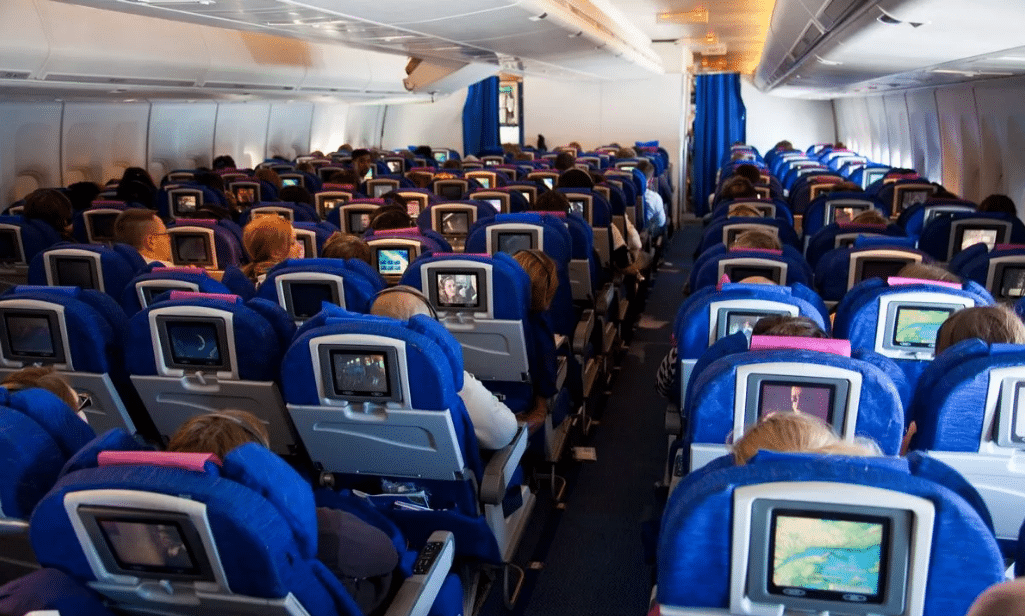
Long-haul travel tests every part of the flying experience: seat comfort, in-flight service, sleep quality, and reliable entertainment systems. Picking an airline known for excellent long-haul performance reduces fatigue, improves productivity on overnight sectors, and can turn a grueling transit into a restful journey. Global awards and passenger surveys consistently identify a group of carriers that stand out for long-distance comfort and consistent service.
What makes an airline great for long flights
For long-haul excellence, prioritize airlines that excel in several areas: ergonomic seats that convert to flatbeds, generous legroom, quality cuisine, attentive cabin crew, and onboard amenities like fast Wi-Fi and noise-cancelling headphone options. Business- and premium-economy offerings matter too—their design can make the difference on red-eye flights. Recent awards and reader polls repeatedly name carriers that balance these features well.
Also, explore Sosoactive: A Deep Look into a Digital Entertainment News Platform
Top carriers frequently recommended for long-haul comfort
Standout global names and what they offer
- Qatar Airways — famous for its Qsuite, private business seating, and consistent service standards on ultra-long routes. Passengers praise its crew, bedding, and lounge access.
- Singapore Airlines — highly rated for cabin service, comfortable seats across classes, and onboard dining, making it a favorite in reader polls.
- Emirates and Cathay Pacific — known for spacious cabins, premium first-class products (in Emirates’ case private suites), and industry-leading entertainment systems that help pass long hours.
These carriers frequently top airline awards and passenger surveys, which focus on the very elements that matter for long flights: reliability, cabin comfort, and quality service.
How to pick the best airlines for long flights for your needs
Practical tips before booking
- Check seat maps for actual pitch and recline rather than just seat class names—greater legroom matters on longer sectors.
- Compare the lie-flat seat length and mattress/pillow quality if sleep is a priority.
- Look at the airline’s entertainment catalogue and connectivity options for long-duration distraction. Wi-Fi availability can be a game changer for working travellers.
- Consider alliances and route timing—overnight departures that match your sleep cycle reduce jet lag.
- Read recent passenger reviews for the specific route (aircraft and crew can vary). Recent industry awards provide a useful starting point.
Cabin class trade-offs
If budget allows, upgrading to premium economy or business class on long flights delivers outsized benefits: wider seats, better recline, priority boarding, and superior meal service. For many travellers, the reduction in fatigue justifies the extra cost.
Frequently Asked Questions
1.Which airline has the most comfortable business class for long flights?
Passenger polls and award lists often place Qatar Airways and Singapore Airlines at the top for business-class comfort and privacy.
2.Is premium economy worth it on very long flights?
Yes—premium economy usually offers a noticeable improvement in seat pitch, cushion quality, and service at a fraction of business-class cost, making it a solid value for long sectors.
3.How important is the aircraft type for comfort?
Aircraft matters: newer widebodies (A350, 787, A380, 777X) generally offer better cabin pressurization, humidity, and quieter cabins, which help reduce fatigue on long flights.
4.Do airlines differ a lot by route?
Yes—an airline’s long-haul product can vary by route and aircraft. Always check the specific aircraft and recent reviews for your booked flight.
5.How can I reduce jet lag on long-haul flights?
Adapt to the destination’s time before departure, stay hydrated, avoid alcohol, try to sleep on the plane according to the destination schedule, and use light-blocking tools like eye masks and noise-cancelling headphones.
Conclusion
Selecting the best airlines for long flights means looking beyond brand names to concrete features: flatbeds that actually recline, dependable service, stellar in-flight entertainment, and aircraft that reduce fatigue. For the most restful and reliable long-haul travel, consider carriers that consistently top global awards and passenger polls, then match the aircraft and timetable to your personal needs. Choosing wisely transforms long flights from endurance tests into productive or restorative travel time.

The Ultimate Guide to Family-Friendly Communities: Planning Your Family Vacation to Destin Florida

Our First Winter Trip to Aspen — And the Decision That Made It Stress-Free

Vacbird Vacuum Travel Bags: Smart Space-Saving Storage for Every Trip