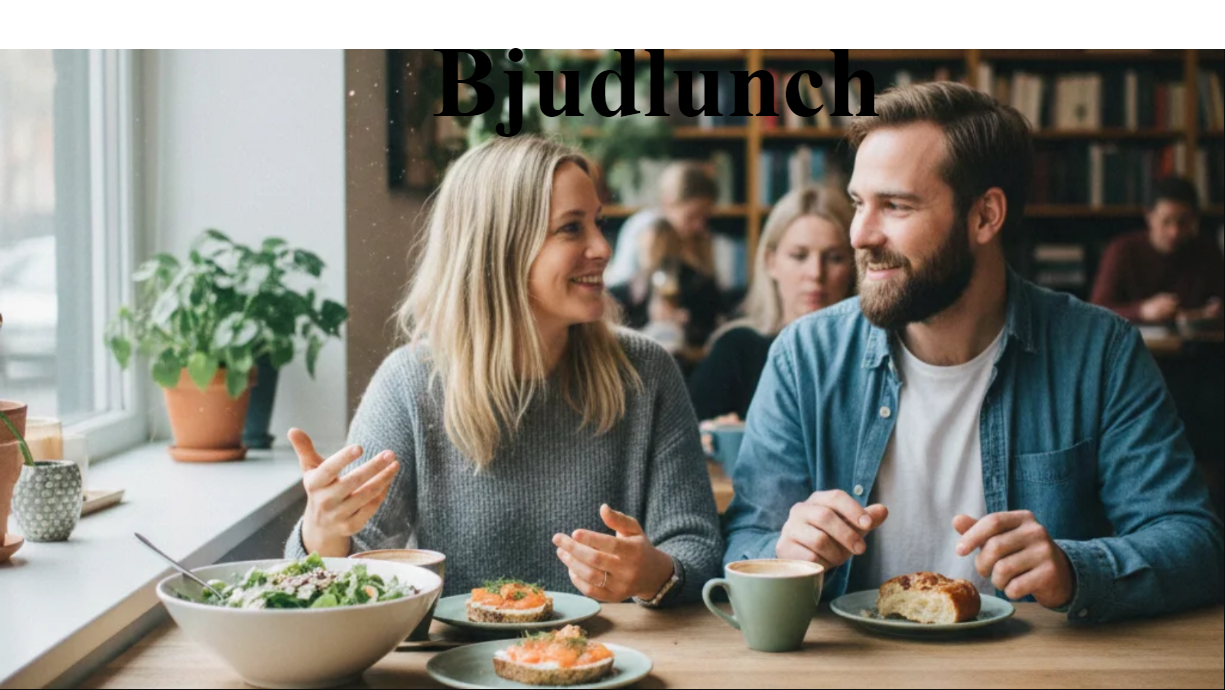
Bjudlunch is a concept rooted in social tradition, closely connected to hospitality, shared meals, and relationship building. It reflects the idea of offering a meal as a gesture of goodwill, appreciation, or connection. In many cultures, sharing food goes beyond basic nourishment and becomes a way to express respect, community spirit, and social bonding.
This concept is especially meaningful in professional and social settings where meals are used to strengthen connections. Whether in workplaces, informal gatherings, or community events, the act of inviting someone to a meal creates an atmosphere of openness and trust. Over time, such traditions have evolved while still preserving their core values of generosity and togetherness.
Social and Professional Significance of Bjudlunch
In modern environments, Bjudlunch has taken on a broader role, especially in workplace culture and networking practices. Offering a shared meal during working hours encourages team collaboration, open communication, and a sense of belonging. It helps break down hierarchical barriers and creates space for informal discussions that may not happen in formal meetings.
From a professional perspective, shared lunches are often used to welcome new team members, celebrate milestones, or encourage cross-department interaction. These moments contribute to employee engagement and foster a positive organizational climate. In social contexts, the tradition supports community cohesion and strengthens interpersonal relationships through meaningful interaction.
Also, explore Nerwey: A Complete Informational Guide for Modern Digital Users
Psychological and Emotional Benefits
Sharing a meal has proven psychological benefits. It promotes emotional comfort, reduces stress, and encourages authentic conversation. When people eat together, they are more likely to engage openly, listen actively, and build empathy.
This concept also supports work-life balance by encouraging people to pause from daily routines and connect on a human level. Such breaks can improve mental well-being and overall satisfaction, both personally and professionally.
Practical Applications in Everyday Life
The idea is commonly applied in corporate settings, educational institutions, and community organizations. In offices, shared lunches can be organized as part of team-building activities or informal mentoring sessions. These gatherings support knowledge sharing and create a culture of inclusion.
In educational environments, shared meals encourage interaction between students and faculty, supporting collaborative learning and mutual respect. Community groups also use this tradition to bring people together, promote dialogue, and strengthen social networks.
Role in Modern Lifestyle and Culture
As lifestyles become increasingly fast-paced and digitally driven, intentional shared meals regain importance. They offer a chance to disconnect from screens and reconnect with people. This concept aligns with modern values such as mindful living, authentic interaction, and community engagement.
In multicultural societies, shared meals also promote cultural understanding. People exchange stories, traditions, and perspectives, turning a simple lunch into a meaningful cultural experience.
Frequently Asked Questions
1.What is the main purpose of offering a shared lunch
The main purpose is to strengthen relationships through hospitality, conversation, and shared experience.
2.Is this concept limited to professional environments
No, it applies equally to social, educational, and community settings.
3.How does it benefit workplace culture
It improves communication, builds trust, and supports employee engagement.
4.Does it require formal planning
Not necessarily, as even simple and informal meals can have a positive impact.
5.Can shared meals support well-being
Yes, they promote relaxation, emotional connection, and a sense of belonging.
Conclusion
Bjudlunch represents more than just sharing food; it embodies hospitality, connection, and social harmony. In both modern professional environments and everyday life, this tradition continues to play an important role in building trust, encouraging communication, and supporting well-being. By valuing shared meals as meaningful experiences, individuals and organizations can foster stronger relationships and create lasting positive impact through simple yet powerful human interaction.

Why Choose High-Tech Electric Scooters Over Traditional Options for Commuting?
Recognizing Pet Emergencies: When to Seek Immediate Help from a Veterinarian in Maple Valley, WA

What Are the Benefits of a Ruffled Shower Curtain for Homeowners?