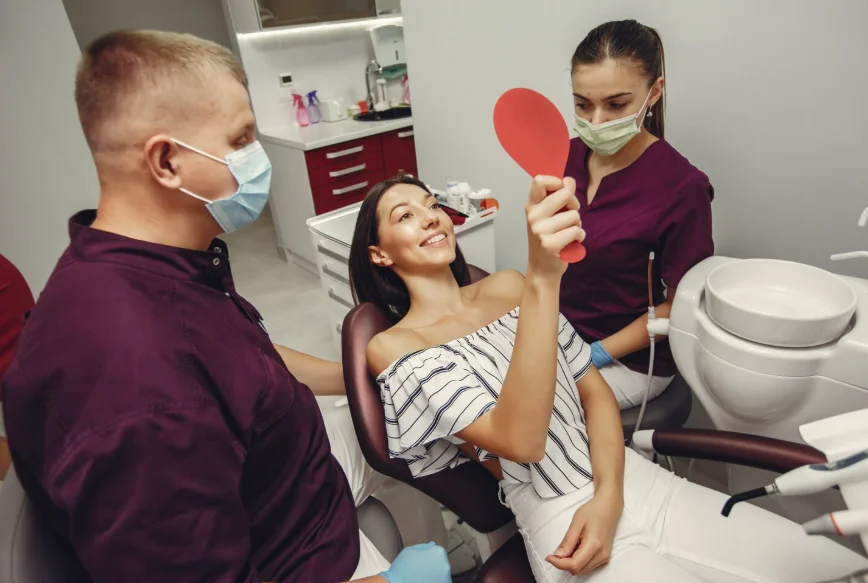
You invested in a smile makeover. You paid money. You gave time. You trusted someone with your face. Now you need to protect that work. Preventive dentistry does that for you. It keeps small problems from turning into broken crowns, loose veneers, or painful infections. It keeps your gums firm and your bite steady. It also cuts down on surprise bills. Regular cleanings, quick checkups, and simple home care hold your new smile in place. They keep stains from building up and edges from wearing down. A Carlisle dentist can spot warning signs early and act fast. That support gives you longer lasting results and less fear. You deserve a smile that stays strong, not one that fades after a few years. This blog shows how smart prevention keeps your smile makeover safe, steady, and worth every dollar.
Why a Smile Makeover Needs Ongoing Protection
A smile makeover is not just teeth. It is your confidence in photos, at work, and at home. Crowns, veneers, bonding, and implants all carry limits. They chip, stain, or loosen when you ignore routine care. You would not skip oil changes on a new car. You should not skip care on new dental work.
Everyday habits stress your makeover. You chew, grind, sip coffee, and snack. Plaque builds. Gums react. Tiny cracks and gaps form where bacteria slip in. Without early care, a small cavity near a veneer can grow under it. That can destroy the tooth that holds the veneer.
Preventive dentistry slows this damage. It gives you early warning before you feel pain. It also gives you control over cost and time.
What Preventive Dentistry Includes
Preventive care is simple. You can remember it in three parts.
- Home care every day
- Office care on a set schedule
- Risk checks and quick fixes
At home you brush twice a day with fluoride toothpaste. You floss once a day. You limit sugary drinks and snacks. You avoid using your teeth to open packages. These are small steps, but they protect your restorations and your gums.
In the office you get cleanings, exams, and X-rays when needed. Your dentist and hygienist remove hardened plaque that you cannot reach. They check your gums, bite, and restorations. They look for decay, chips, or loose edges. The Centers for Disease Control and Prevention shows that regular preventive visits lower the risk of tooth loss. That matters when your smile makeover depends on strong support teeth.
Risk checks include screenings for grinding, gum disease, dry mouth, and oral cancer. Quick fixes include smoothing a rough edge, repairing minor chips, or adjusting your bite before damage spreads.
How Prevention Saves You Money And Time
Many people skip visits to save money. That choice often backfires. A short cleaning now costs less than a crown repair later. A five minute adjustment today can prevent a broken veneer next year.
Here is a simple comparison.
| Type of Care | Typical Frequency | Example Cost Range | Outcome For A Smile Makeover
|
|---|---|---|---|
| Preventive cleaning and exam | Every 6 months | Low | Restorations stay clean and stable. Problems found early. |
| Night guard for grinding | Once, with checks | Medium | Protects veneers and crowns from cracks and wear. |
| Repair of chipped veneer | As needed | Medium to high | Fixes damage, but may not match original strength. |
| Replacement of failed crown or veneer | Every few years without prevention | High | More drilling, more visits, higher cost, more stress. |
The pattern is clear. Small planned costs protect you from large surprise costs. The National Institute of Dental and Craniofacial Research explains that decay grows with time. Early treatment needs less work. That rule applies even more when you have crowns and veneers in place.
Protecting Veneers, Crowns, Bonding, And Implants
Each part of a smile makeover needs its own kind of care.
- Veneers. You avoid biting ice, pens, or hard candy. You use a soft brush and non abrasive paste. You keep the edges clean where veneer meets natural tooth.
- Crowns. You floss around them each day. You watch for food catching near the gum. You report any change in bite or pressure.
- Bonding. You avoid nail biting and grinding. You schedule quick repairs at the first chip or stain line.
- Implants. You clean around the implant with floss or special brushes. You keep your gums healthy to protect the bone that holds the implant.
Routine checks let your dentist test each surface. Early action can save a veneer or crown before it fails. That protects the tooth under it and your smile as a whole.
Preventive Habits That Keep Your New Smile Strong
You control more than you think. Three steady habits protect your investment.
- Clean. Brush morning and night. Floss once a day. Use fluoride toothpaste and drink water often.
- Check. Look in a mirror. Watch for new stains, chips, or red gums. Call if you notice changes.
- Schedule. Keep your six month visits. Ask if your risk level needs more frequent care.
If you grind your teeth, talk about a night guard. If you smoke, seek help to quit. If you have diabetes or another health condition, share that. Whole body health affects your mouth. Your mouth also affects how you eat, sleep, and speak.
Why Acting Early Protects Your Confidence
A smile makeover touches your sense of self. When a veneer chips, you may feel shame. When a crown hurts, you may feel anger or fear. Early preventive care avoids many of those moments. It gives you steady control and steady comfort.
You worked hard for your new smile. Now you can work smart to keep it. With regular preventive visits, honest talks with your dentist, and simple habits at home, you protect both your teeth and your peace of mind. Your investment deserves nothing less.
Is a Hair Transplant Worth It? Facts, Process, and Results

More Than Cancer: Tobacco's Lasting Damage to Heart, Brain & Skin
Why Routine Checkups Are A Critical Part Of General Dentistry