The Role Of Preventive Dentistry In Achieving Beautiful, Healthy Smiles
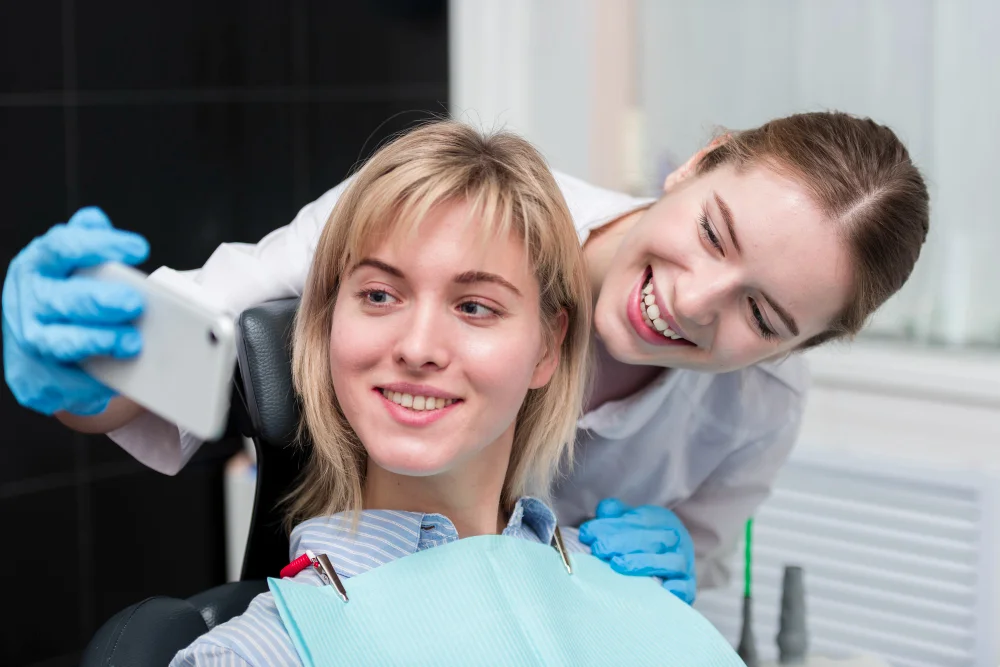
You want a smile that looks good and feels strong. Preventive dentistry gives you that. It focuses on stopping problems before they start. This approach saves you pain, time, and money. You do not wait for a toothache or a broken tooth. You act early. You brush, floss, and watch what you eat. You also see a dentist in Falls Church for regular checkups and cleanings. During those visits, your dentist checks for early signs of decay, gum disease, and wear. Early treatment keeps small issues from turning into emergencies. It also protects your confidence when you talk, eat, and laugh. Strong teeth support your overall health too. This blog explains how simple daily habits and routine dental visits work together. You will see how prevention shapes a healthy smile that lasts.
Why Prevention Matters For Your Mouth And Body
Your mouth is not separate from the rest of your body. When your gums bleed or your teeth hurt, your daily life changes. You may avoid some foods. You may smile less. You may lose sleep. You may miss work or school.
Current research links poor oral health to heart disease, diabetes, and pregnancy problems. When you protect your teeth and gums, you also lower the strain on your heart, blood sugar, and immune system.
Prevention keeps you in control. You choose to care for your mouth every day. You do not wait for a crisis. That one choice protects your comfort, your budget, and your sense of dignity.
Core Parts Of Preventive Dentistry
Preventive dentistry is simple. It rests on three habits.
- Daily care at home
- Regular care in the dental office
- Smart choices about food, drinks, and tobacco
Your Daily Routine At Home
Your home routine is the base of a healthy smile. You can use these steps every day.
- Brush your teeth two times a day with fluoride toothpaste for two minutes each time.
- Floss once a day to clean between your teeth where your brush cannot reach.
- Use a fluoride mouthrinse if your dentist suggests it.
- Limit sugary snacks and drinks to mealtimes.
- Drink tap water that has fluoride when it is available.
You can find brushing and flossing guides from the American Dental Association. These simple steps remove plaque. Plaque is a sticky film of germs that causes cavities and gum disease. When you remove it every day, you stop damage before it starts.
What Happens During A Preventive Dental Visit
Routine visits are not only for cleaning. They are also for early warning. Your dentist and hygienist can see problems you cannot feel yet. A standard preventive visit often includes three parts.
- Review of your health history and any new symptoms
- Cleaning to remove plaque and hardened tartar
- Exam of teeth, gums, tongue, and cheeks and sometimes X rays
During the exam, your dentist checks for small cavities, early gum disease, worn teeth, dry mouth, and signs of oral cancer. When the dentist finds a problem early, treatment is usually simpler and less costly. Small fillings, short cleanings, and small habit changes protect you from root canals, extractions, and tooth loss.
Key Preventive Treatments And How They Help
Some treatments give your teeth extra strength and protection. These are common options.
- Fluoride treatments. Fluoride helps rebuild weak spots in enamel. It lowers the risk of cavities in children and adults.
- Dental sealants. Sealants are thin coatings placed on the chewing surfaces of back teeth. They block food and germs from settling in deep grooves.
- Professional cleanings. Cleanings remove plaque and tartar that brushing and flossing leave behind.
- Mouthguards. Custom guards protect teeth during sports and from nighttime grinding.
Each step has one goal. It keeps your natural teeth strong for as long as possible.
Prevention Versus Treatment: A Clear Comparison
You may wonder if prevention is worth the effort. This simple comparison shows the cost in time and comfort when you prevent problems compared with when you wait.
| Topic | Preventive Care | Delayed Treatment
|
|---|---|---|
| Typical visit | Checkup and cleaning every 6 months | Emergency visit for pain or infection |
| Time in chair | About 45 to 60 minutes | Often 90 minutes or more and repeat visits |
| Comfort | Little to no discomfort | Pain, numbness, possible swelling |
| Common costs | Cleaning, fluoride, occasional X rays | Root canal, crown, extraction, or dentures |
| Effect on smile | Natural teeth look clean and bright | Teeth may darken, chip, or need removal |
This table shows one hard truth. You either invest a small amount early or you pay much more later in pain, time, and money.
How Food And Drinks Shape Your Smile
What you eat touches your teeth many times every day. Sugar feeds plaque germs. Acid from soda, sports drinks, and juice wears down enamel. Over time, teeth weaken and stain. Gums swell and pull away from teeth.
You can protect your smile with three simple choices.
- Limit sugary snacks. If you eat them, keep them with meals instead of between meals.
- Choose water or milk instead of soda or sports drinks.
- Eat crisp fruits and vegetables to help clean your teeth as you chew.
These small changes cut your cavity risk and keep your smile clear.
Preventive Dentistry For Children And Teens
Children learn from what you do. When you brush and floss every day, your child sees that care as normal. When you take your child for regular checkups, you teach that the dental office is a safe place, not a place to fear.
Here are three steps that help children.
- Schedule a first dental visit by age 1 or within 6 months after the first tooth appears.
- Ask about fluoride varnish and sealants once back teeth come in.
- Use a mouthguard for any contact sports.
Teens often face new risks from soda, energy drinks, and tobacco or vaping. Honest talks and steady routines protect their teeth during this tense stage of life.
Steps You Can Take Today
You do not need a perfect past to start preventive care. You only need a choice today. You can begin with three steps.
- Set a timer and brush for two full minutes twice a day.
- Floss tonight before bed. Repeat every night for one week.
- Call your dentist to schedule a checkup and cleaning if it has been more than 6 months.
Each small step sends a clear message. Your health matters. Your comfort matters. Your smile matters. When you choose prevention, you protect more than your teeth. You protect your daily life and your sense of self every time you open your mouth to speak, eat, or smile.
Is a Hair Transplant Worth It? Facts, Process, and Results

More Than Cancer: Tobacco's Lasting Damage to Heart, Brain & Skin
Why Routine Checkups Are A Critical Part Of General Dentistry