Buying design furniture can be intimidating. It can seem as if you need to know the vocabulary of designers, movements, and rare materials just to choose a chair. You don’t. A quality piece provides visible and tangible clues within minutes, such as how it’s built, how it supports the body, and how it handles everyday stress.
A sofa or armchair made by Poltrona Frau and crafted from Pelle Frau® leather, which was developed through decades of research to minimize the environmental impact of tanning and processing, will typically look and feel different from seating made with thin hides and rushed finishing. This difference isn’t just hype; it’s about consistency, durability, and accountability.
Quality Before Looks
A good piece looks good from every angle, makes the room easier to use, and maintains visual balance. If a piece seems designed mainly to impress on a screen, comfort and longevity are usually apparent.
The Structure Sets Everything
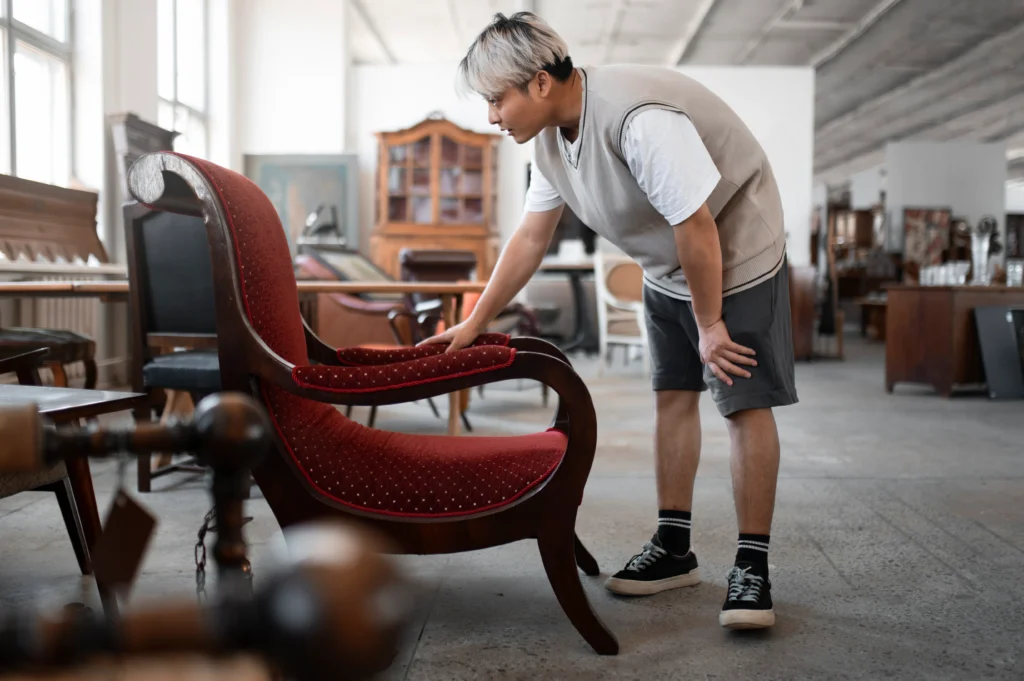
The frame and joints are more important than the fabric. In sofas and armchairs, a solid internal structure maintains a level seat over time, preventing the gradual sagging that transforms “soft” into “sloppy.” For tables and storage pieces, a solid structure means stability: no wobbling when you lean on it and no doors that drift out of alignment. Gently press on an arm, back, or corner and listen. Well-made pieces feel quiet and controlled.
Comfort and Proportion
A common mistake is choosing extra-deep seating, which looks good in photos but can force shorter users to perch or slouch. Allow yourself two minutes, not ten seconds, while trying a new piece: your shoulders should drop, your lower back should be supported, and your feet should land naturally.
Materials That Match Your Life
Think in real scenarios, not status signals. Leather can develop patina, but it will also record sunlight, pets, and abrasion; that’s either character or stress. Performance textiles can be smarter for families, frequent hosting, or work-from-home routines. Wood brings warmth yet needs the right finish for humidity and heat, while glass looks light but shows fingerprints and needs safe, well-finished edges. The best material is the one you can live with without constant vigilance.
Finishes Reveal True Quality
The finishing touches reveal the quality. Look at the seams. If they are straight, even, and aligned across the panels, that is a good sign. Scan the edges and corners, which are the first places to chip. Are they smooth and protected, or sharp and fragile? Open the drawers and doors. They should glide and close smoothly without scraping or sticking.
Maintenance is Design
Good design includes cleaning and maintenance. Ask how the surfaces should be maintained and if the manufacturer provides specific instructions. Clear instructions usually indicate that the materials have been tested. Vague advice often means you’re buying uncertainty.
Repairability
Even great furniture gets scuffed up. What matters is whether it can be restored. Brands that offer replacement covers, feet, hardware, or reupholstery services are showing that the furniture is meant to last. This protects your budget and reduces waste.
Transparency and Warranty
Look for verifiable information, such as material names, origin, care instructions, and warranty terms. You don’t need to memorize this information, but you should have proof that it exists and can answer real questions. A meaningful warranty isn’t just for show, it’s the manufacturer sharing the risk.
Copies vs Originals
Lookalikes often get the silhouette right but cut corners on the invisible parts, such as frame strength, foam density, hardware, and finishing time. Those shortcuts disappear in photos. However, in real life, they show up as flattened cushions, loose joints, and chipped edges.
Three Simple Questions
Before buying a new piece, ask yourself:
- Will I use it every day the way I imagine?
- Can I maintain it without turning my home into a showroom?
- If something wears out, can it be repaired instead of replaced?
If the answer to any of these questions is no, step back. Good taste means choosing a piece that will still work once the novelty has worn off. Quality requires patience; take your time. If possible, view the piece in daylight, ask for a small material sample and picture it passing through your doorway.

Strategic Marketing Solutions for Modern Businesses

How Traffic Management Businesses Are Improving Field Accountability

How to Plan a Last-Minute Holiday Trip with Instant Loan Support






How to Spot a Well-Made Furniture Piece When You’re Not an Expert

Metz for Hair Grooming: A Look at Its Catalog
How to Spot a Well-Made Furniture Piece When You’re Not an Expert

Metz for Hair Grooming: A Look at Its Catalog

The Secure Agility Blueprint: Integrating DevOps Strategy with Autonomous Azure Defense