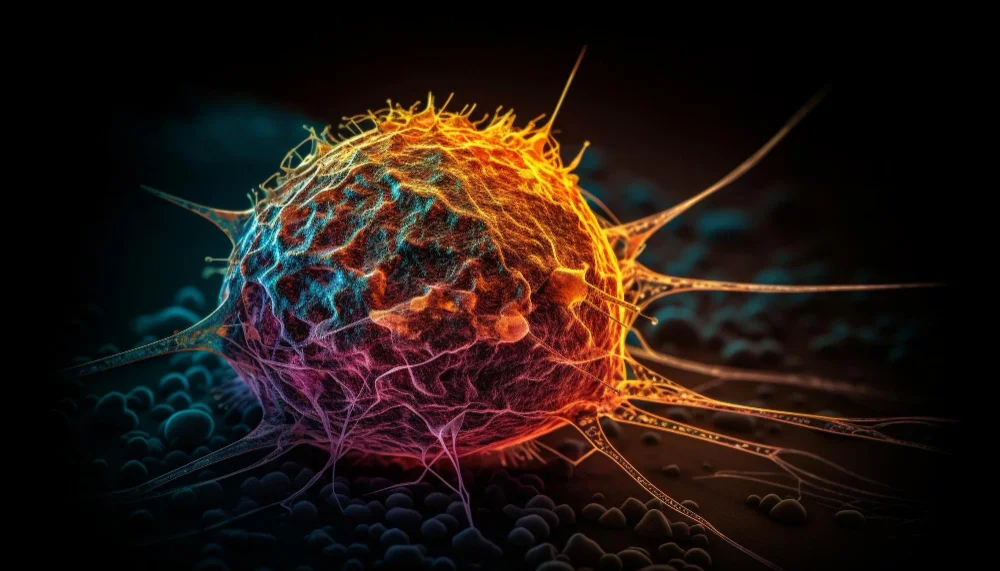
Stem cell leukemia is a complex blood disorder that affects the bone marrow, where stem cells are responsible for producing healthy blood cells. Unlike general leukemia, this condition directly impacts hematopoietic stem cells, which play a critical role in maintaining the body’s immune system, oxygen transport, and clotting functions. Understanding the conditions associated with stem cell leukemia and the indications for treatment is essential for early diagnosis and effective medical care.
Leading healthcare providers such as Liv Hospital emphasize comprehensive evaluation and personalized treatment plans to manage stem cell leukemia and improve patient outcomes.
Understanding Stem Cell Leukemia Conditions
Stem cell leukemia is not a single disease but a condition linked to various types of leukemia that originate in the bone marrow. It occurs when abnormal stem cells begin to grow uncontrollably, preventing the development of normal blood cells. Over time, these abnormal cells accumulate and interfere with the body’s ability to function properly.
This condition is often associated with acute and chronic forms of leukemia. Acute cases progress rapidly and require immediate medical intervention, while chronic cases may develop slowly and remain stable for extended periods before treatment becomes necessary. In both situations, the involvement of stem cells makes the disease more aggressive and medically significant.
A detailed Stem Cell Leukemia Conditions and Indications resource explains how different leukemia-related conditions affect stem cell function and why specialized treatment approaches are required.
Medical Conditions Linked to Stem Cell Leukemia
Several medical conditions are closely associated with stem cell leukemia. These include bone marrow disorders where normal blood cell production is disrupted, genetic abnormalities affecting stem cell growth, and secondary leukemia that develops after chemotherapy or radiation therapy for other cancers.
Patients with weakened immune systems or inherited blood disorders may also face a higher risk. In some cases, stem cell leukemia can develop without a clearly identifiable cause, making regular monitoring and early testing especially important for high-risk individuals.
Indications for Medical Evaluation
Recognizing the indications for medical evaluation is critical in managing stem cell leukemia. Persistent symptoms such as fatigue, frequent infections, unexplained bleeding, or prolonged fever may indicate abnormal stem cell activity in the bone marrow. Additional signs can include bone pain, swollen lymph nodes, and unintended weight loss.
Laboratory findings, such as abnormal white blood cell counts or low platelet levels, are also strong indicators that further diagnostic testing is required. Doctors may recommend blood tests, bone marrow biopsy, and genetic analysis to confirm the presence of stem cell-related leukemia.
Indications for Stem Cell–Based Treatment
Stem cell therapy, including stem cell transplantation, is often indicated when leukemia is aggressive, recurrent, or unresponsive to standard treatments. This approach is commonly considered for patients with high-risk disease profiles or those who experience relapse after chemotherapy.
The primary goal of stem cell transplantation is to replace damaged or cancerous bone marrow with healthy stem cells. This allows the body to restore normal blood cell production and rebuild a functioning immune system. Indications for this procedure depend on factors such as disease stage, patient age, overall health, and response to prior treatments.
Role of Early Diagnosis and Monitoring
Early diagnosis plays a crucial role in determining the most effective treatment pathway. When stem cell leukemia is identified at an early stage, patients often have more treatment options and better long-term outcomes. Continuous monitoring is equally important, as it helps doctors assess disease progression and adjust treatment strategies accordingly.
Advancements in medical technology have improved the accuracy of diagnostic tools, allowing healthcare providers to detect stem cell abnormalities sooner and with greater precision.
Supporting Health Beyond Treatment
While medical treatment is the foundation of managing stem cell leukemia, overall well-being should not be overlooked. Maintaining a balanced lifestyle, managing stress, and following professional nutritional advice can support recovery and long-term health. Trusted wellness platforms such as live and feel offer helpful guidance on healthy living, mental wellness, and lifestyle balance, which can complement medical care during and after treatment.

The Importance of Maintaining Implant Stability: A Comprehensive Review

How to Know You Have Impacted Wisdom Teeth in Chelsea NYC

How to Remove Food Stuck Between Teeth Safely