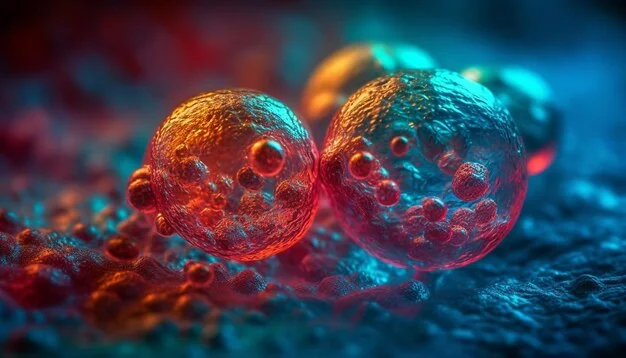
Recovery from stem cell lymphocytic leukemia is a crucial phase that begins after treatment and continues with regular monitoring. Since the disease affects the lymphoid stem cells responsible for immune system function, proper follow-up care is essential to ensure that normal blood cell production is restored, the immune system recovers, and the risk of relapse is minimized.
Leading healthcare providers such as Liv Hospital emphasize structured recovery plans and continuous monitoring to help patients regain strength and maintain long-term health.
Understanding the Recovery Phase
The recovery phase starts once active treatment, such as chemotherapy or stem cell transplantation, is completed. During this period, patients often experience fatigue, a weakened immune system, and slow physical recovery. Blood counts are closely monitored to ensure that red blood cells, white blood cells, and platelets are returning to normal levels.
Recovery timelines vary based on treatment type, disease severity, and individual health conditions. Some patients may see steady improvement, while others require extended support and medical supervision.
A detailed Stem Cell Lymphocytic Leukemia Recovery and Follow-up guide outlines the steps in post-treatment monitoring and patient care.
Physical and Medical Recovery
Physical recovery focuses on rebuilding strength, improving energy levels, and restoring normal blood cell function. Doctors may recommend gradual physical activity, balanced nutrition, and hydration to support healing. Blood tests and periodic evaluations are critical to monitor recovery progress and detect any abnormalities early.
Importance of Follow-up Care
Follow-up visits are essential to track disease progression, detect early signs of relapse, and manage long-term side effects. These visits may include blood tests, bone marrow checks, and imaging studies. In the first year after treatment, follow-ups are usually frequent and may be spaced out over time if recovery remains stable.
Monitoring also allows healthcare providers to identify late-onset complications from treatments such as chemotherapy or transplantation and provide timely interventions.
Managing Long-term Effects
Some patients may experience long-term effects such as persistent fatigue, immune system changes, or organ-related complications. Psychological support, counseling, and rehabilitation programs are essential to help patients cope with emotional and physical challenges during recovery.
Preventive measures, including vaccinations, infection control, and maintaining a healthy lifestyle, play a significant role in reducing complications and supporting overall recovery.
Supporting Overall Well-Being
Recovery from stem cell lymphocytic leukemia is not limited to medical care alone. Maintaining emotional balance, a healthy routine, and proper nutrition contributes significantly to long-term wellness. Lifestyle resources such as live and feel provide valuable guidance on mental health, stress management, and overall well-being, complementing medical care during the recovery journey.

5 Questions To Ask About Cosmetic Dentistry At A Family Dental Office
3 Benefits Of Establishing A Dental Home For Your Family

Tips For Maintaining Oral Hygiene Between Family Dental Visits