Your teeth carry every meal, every word, and every smile. They deserve protection long before they need repair. General dentistry focuses on stopping problems early, not just fixing damage after it appears. You receive steady checks, cleanings, and simple treatments that keep decay, infection, and tooth loss from taking root. A Manhasset dentist looks for small changes that you might miss. Tiny cracks. Early gum swelling. Soft spots in enamel. Each sign is a warning that gives you time to act. You learn how to brush, floss, and eat in ways that support your mouth. You also gain a clear plan for care that fits your age, health, and history. When you treat prevention as your first line of defense, you avoid pain, save money, and keep more of your natural teeth. Then any needed restoration is smaller, faster, and less stressful.
Why prevention comes before repair
Teeth do not heal like skin or bone. Once a tooth loses structure, you never grow it back. You can only patch or cover what is left. That truth gives prevention real force.
General dentistry protects you in three simple ways.
- It finds problems early.
- It slows or stops damage.
- It lowers the need for major repair.
Regular exams and cleanings give your dentist a clear view of change over time. Small trouble is easier to treat. You feel less fear. Your body faces less strain. Your wallet carries a lighter load.
What happens during a preventive visit
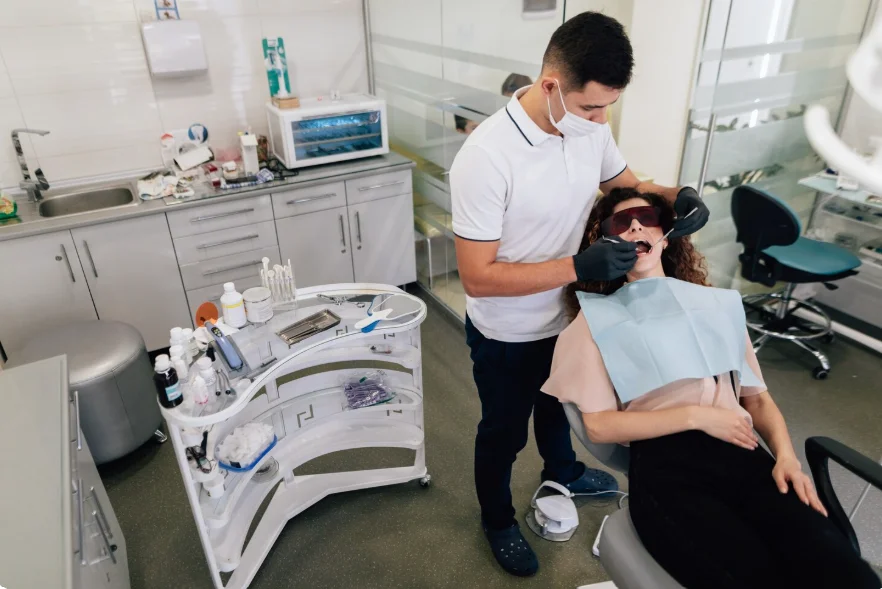
A routine visit is short and focused. You sit in the chair for checks that touch three key parts of your mouth.
- Teeth
- Gums
- Jaw and bite
You can expect these main steps.
- Review of your health and medicines
- Visual exam of teeth, gums, and tongue
- Cleaning to clear plaque and tartar
- X rays when needed to see hidden decay or bone loss
- Fluoride treatment for extra strength against decay
- Coaching on brushing, flossing, and food choices
The focus stays on early action. A small cavity may need a tiny filling. Red gums may need better brushing and flossing. You walk out with clear steps, not guilt or shame.
You can read more about what to expect in a checkup from the National Institute of Dental and Craniofacial Research at https://www.nidcr.nih.gov/health-info/seeing-dentist.
How prevention protects your whole body
Your mouth connects to the rest of your body. Infection in your gums can spread through your blood. Pain in one tooth can change how you chew and sleep. Over time that can affect your weight, blood sugar, and mood.
Routine dental care supports three big parts of health.
- Eating. Strong teeth let you chew fruits, vegetables, and protein.
- Speaking. A stable bite supports clear speech and steady breathing.
- Social life. A calm mouth lowers stress in work, school, and family time.
The Centers for Disease Control and Prevention explains how oral health links to heart disease and diabetes at https://www.cdc.gov/oralhealth/conditions/index.html.
Prevention versus restoration: a simple comparison
Prevention and restoration work together. Yet they are not equal. Prevention aims to keep your teeth strong. Restoration steps in after damage.
| Type of care | Typical examples | When it happens | Impact on the tooth
|
|---|---|---|---|
| Preventive care | Cleanings, fluoride, sealants, exams | Before you feel pain | Keeps natural structure. No drilling. |
| Early restoration | Small fillings | After early decay is found | Removes limited tooth material. |
| Advanced restoration | Large fillings, crowns, root canals | After deep decay or fracture | Removes more structure. Tooth stays weaker. |
| Tooth replacement | Bridges, dentures, implants | After tooth loss | Replaces, never restores, what was lost. |
Each step up the table means more time, more cost, and more stress. Careful prevention keeps you near the top row.
Simple daily steps that support your dentist
Your habits at home do most of the work. A dentist visit every six months cannot undo months of neglect. You protect your teeth when you follow three steady steps.
- Brush two times each day with fluoride toothpaste.
- Clean between teeth with floss or small brushes once each day.
- Limit sugary drinks and snacks, especially between meals.
You can also protect your teeth by using a mouthguard during sports. You can avoid tobacco and keep alcohol use low. These choices lower your risk of gum disease and oral cancer.
Helping children build strong habits
Children learn from what they see. When you treat your own mouth with care, your child sees that teeth matter. That lesson carries into adult life.
You can guide your child with three key actions.
- Start dental visits by the first birthday.
- Brush for your child until they can tie their shoes.
- Offer water instead of sweet drinks between meals.
Early checkups help the dentist watch jaw growth and tooth eruption. The dentist can also place sealants on back teeth to block decay in deep grooves. These thin coatings feel smooth. They give children a strong start.
When restoration still becomes necessary
Even with careful habits, life happens. Teeth can crack on hard food. Old fillings can fail. Grinding at night can wear down enamel. When that happens, restoration protects what remains.
Your dentist may suggest one of three common treatments.
- Fillings to close small holes.
- Crowns to cover weak or broken teeth.
- Root canal treatment to clean deep infection and save the tooth.
Because you focused on prevention, these repairs often stay smaller. Your dentist has a clear history of your mouth. That record guides safer choices and smoother healing.
Taking your next step
You do not need a perfect record to start. Even if you delayed care for years, a general dentist can help you reset. The first move is simple. Call and schedule a checkup. Bring your questions. Share your fears. A calm plan begins with honest talk.
When you place prevention before restoration, you choose comfort over crisis. You protect your voice, your meals, and your smile. You guard your health in a way that feels steady and kind to your body and your family.
The Importance of Maintaining Implant Stability: A Comprehensive Review

How to Know You Have Impacted Wisdom Teeth in Chelsea NYC

How to Remove Food Stuck Between Teeth Safely