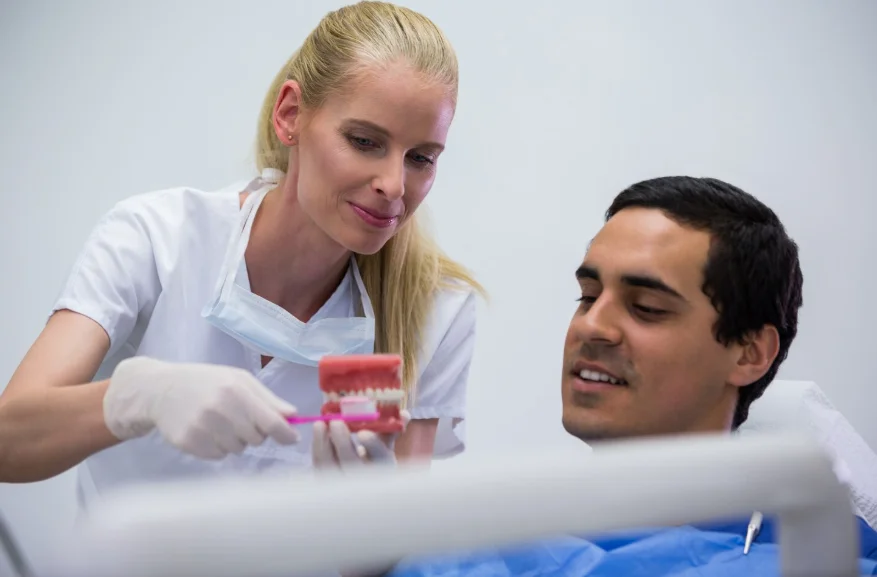
A healthy smile is not only about stopping pain or fixing broken teeth. It also depends on how your teeth look and feel when you talk, eat, and smile in public. Cosmetic dentistry can support your mouth, your body, and your emotions. It can correct worn edges, uneven teeth, and stains that hide deeper problems. It can also improve your bite, which protects your jaw and helps you chew with less strain. Many people avoid care because they feel shame about their teeth. A simple change in shape or color can reduce that shame and push you to keep up with brushing, flossing, and regular checkups. A St. Louis family dentist can use cosmetic treatments to support your long term oral wellness. You gain a cleaner mouth, a steadier bite, and a smile you trust.
How Cosmetic Dentistry Supports Everyday Oral Health
You may think cosmetic care is only about looks. In truth, many cosmetic treatments also fix real health problems. They help you clean better. They protect weak teeth. They bring teeth into a safer bite.
The Centers for Disease Control and Prevention explains that oral health connects to what you eat, how you speak, and how you feel. When you repair the shape and line of your teeth, you make all of these daily tasks easier.
Here is how cosmetic work can support your oral wellness.
- It smooths rough or broken edges that trap plaque.
- It closes gaps that collect food and hurt your gums.
- It lines up teeth so you can brush and floss with less effort.
Each small change helps you keep your mouth cleaner. That lowers your risk of decay and gum disease.
Common Cosmetic Treatments And What They Do For Health
Cosmetic treatments come in many forms. Some change color. Others change shape or position. Each one touches your health in a different way.
Cosmetic Treatments And Their Oral Health Benefits
| Treatment | Main Purpose | Health Benefit | Best For
|
|---|---|---|---|
| Teeth whitening | Lighten tooth color | Removes surface stains that hold plaque | Stained teeth from coffee, tea, or tobacco |
| Bonding | Reshape or repair small chips | Covers sharp edges and exposed dentin | Small cracks, chips, gaps |
| Veneers | Cover front of teeth | Protects worn enamel and smooths surfaces | Worn, uneven, or deeply stained teeth |
| Crowns | Cover the whole tooth | Strengthens weak or broken teeth | Large fillings, fractures, root canal teeth |
| Orthodontic aligners or braces | Straighten teeth and adjust bite | Improves chewing and reduces jaw strain | Crowded teeth, open bite, overbite, crossbite |
| Implants | Replace missing teeth | Prevents bone loss and shifting teeth | Single or multiple missing teeth |
Each treatment supports three things. It protects tooth structure. It improves how teeth meet. It makes cleaning easier.
Cosmetic Changes That Improve Cleaning And Cavity Prevention
Crowded and twisted teeth are hard to clean. Your brush and floss cannot reach all surfaces. That leads to decay between teeth and sore gums. When you straighten teeth or smooth rough spots, you remove hiding spots for plaque.
The National Institute of Dental and Craniofacial Research notes that plaque causes tooth decay when it stays on teeth. Any treatment that helps you clear plaque supports long term oral wellness.
Three common cosmetic steps that help you prevent cavities are simple.
- Aligners or braces that open crowded spaces.
- Bonding that fills small chips and cracks.
- Veneers that create smooth, cleanable surfaces.
After these changes, you can brush with fewer missed spots. You can floss without shredding the string. You can keep teeth stronger with less effort.
How Your Bite And Jaw Benefit From Cosmetic Work
Your bite is how your top and bottom teeth meet. When teeth do not line up, some teeth work harder than others. That stress can crack enamel. It can strain your jaw and neck. It can trigger clenching at night.
Cosmetic orthodontic care can move teeth into a safer bite. Crowns and veneers can rebuild worn teeth so they share pressure in a more even way. Implants can keep nearby teeth from drifting into empty spaces. Together, these steps protect your jaw joint and muscles.
You may notice three clear changes when your bite improves.
- Chewing feels easier and more steady.
- Jaw tightness and morning headaches ease.
- Teeth chip and crack less often.
These changes support your long term comfort. They also protect the time and money you already spent on your teeth.
Emotional Health, Confidence, And Dental Habits
Shame about teeth can keep you from smiling, talking, or eating with others. That silence can feel heavy. When you change the look of your teeth, you often change how you move through each day.
A brighter, more even smile can do three important things.
- It encourages you to show your teeth instead of hiding them.
- It makes dental visits feel less frightening.
- It gives you a reason to protect what you gained.
People who feel proud of their teeth often brush longer. They floss more often. They keep cleaning visits on the calendar. Those habits protect your gums and your heart health. They also lower your risk of painful infections.
Cosmetic Dentistry As Part Of Your Family’s Care Plan
Cosmetic care should not replace cleanings, fillings, or gum treatment. It should sit beside them. You start with a strong base. Then you add cosmetic steps that support that base.
For a family, that plan can look simple.
- First, treat any pain, decay, or infection.
- Next, clean teeth and review brushing and flossing habits.
- Then, discuss small cosmetic changes that also protect health.
Children may need early orthodontic care to guide jaw growth. Adults may need bonding or veneers to rebuild worn edges. Older adults may need implants or crowns to restore chewing. Each age group can gain both function and a smile that feels safe to show.
Choosing Cosmetic Care That Truly Supports Wellness
You deserve clear facts and honest guidance. Before you choose any cosmetic treatment, ask three direct questions.
- How will this change help me keep my mouth cleaner
- How will it affect my bite and jaw
- How long should the results last if I care for my teeth
A trusted dentist will explain the benefits and limits. That person will start with your health, not only your photos. With the right plan, cosmetic dentistry becomes part of your whole wellness story. It protects your teeth, supports your body, and helps you move through the world with less fear and more calm strength.
The Importance of Maintaining Implant Stability: A Comprehensive Review

How to Know You Have Impacted Wisdom Teeth in Chelsea NYC

How to Remove Food Stuck Between Teeth Safely