How to build an options stock list based on liquidity and volatility screening?
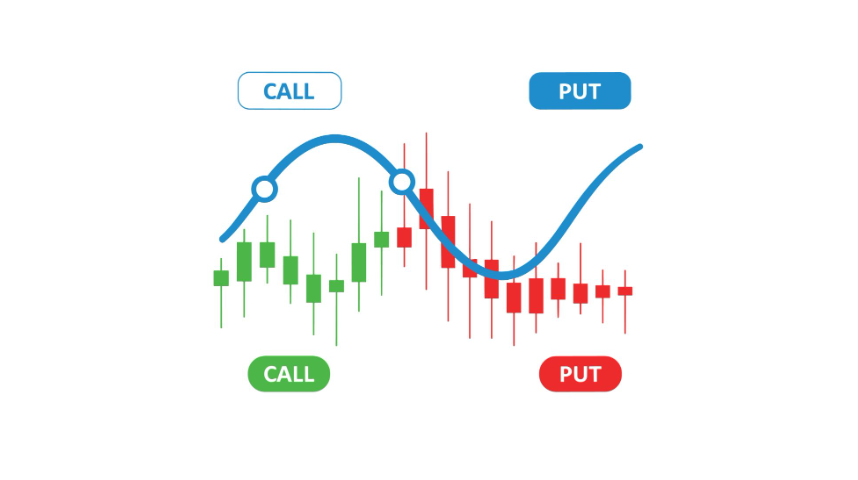
For traders, an options stock list is not just a collection of names; it is a live, dynamic filter that separates tradable ideas from theoretical toys. The best list is neither the longest nor the most exciting one. It is the one that balances liquidity (how easily you can trade) and volatility (how much movement the market expects). When you anchor your list to these two dimensions, you dramatically improve your odds of clean entries, exits, and consistent risk management.
Let’s learn how to build your own options stock list step‑by‑step, using practical liquidity and volatility filters you can implement.
Step-by-Step guide to build your options stock list in practice
Here’s how to translate liquidity and volatility screening into a concrete workflow.
Step 1: Why liquidity matters first
Before you even think about implied volatility, timing, or strategy, you must ask: Can you actually trade this option with a clean price and low spread? Liquidity is what makes an options stock list usable in real life.
Key liquidity metrics to track:
- Option volume and Open Interest (OI): High volume and OI for the underlying stock and its near At-The-Money (ATM) strikes indicate active participation and reasonable depth.
- Bid‑ask spread: The gap between the bid and ask price is your friction cost. A wide spread directly eats into your edge, especially if you are scalping or trading small sizes.
- Bid/ask size: A larger displayed size at the bid and ask indicates that the market can absorb meaningful orders without a large price jump.
Step 2: Define your liquidity threshold
Every trader should set a minimum liquidity bar for their options stock list. Exact levels will vary by market and contract size, but the principle remains the same: avoid names where order‑flow is sparse, and spreads are wide.
A simple rule‑of‑thumb framework:
- Focus on stocks with high cash‑equity turnover; options liquidity usually follows the underlying.
- Prefer option series with regular daily volume and meaningful open interest at the front‑month and commonly traded strikes.
- Set a max acceptable bid‑ask spread (for example, as a percentage of the ask price) and discard names that consistently breach it.
Step 3: Adding volatility screening
Once liquidity is satisfied, you move to volatility. An options stock list that ignores volatility can quickly become misleading, because it does not distinguish between rich and cheap premiums.
Relevant volatility inputs:
- Implied Volatility (IV): The market’s forecast of future volatility, embedded in option prices.
- Historical/realised Volatility (HV): The actual price movement of the stock over a defined past period (often 20–30 days).
- IV vs HV relationship: When IV is significantly above HV, options are relatively expensive; when IV is below HV, options may be cheaper relative to past movement.
Step 4: Align volatility with your strategy
The way you screen volatility should match your options strategy. A single options stock list can be split into two views: one for option buyers and one for option sellers.
For option buyers:
- Filter for moderate IV and IV levels that are not vastly above historical volatility.
- Avoid names where IV is elevated around events if you believe the market has already priced in the move.
- Prefer stocks where liquidity is strong, so you are not paying a double penalty from both wide spreads and rich IV.
For option sellers (premium‑selling):
- Look for an elevated IV, a higher IV rank, or an IV clearly above HV.
- Combine this with tight spreads and high open interest, so you can collect a premium with lower execution friction.
- Use shorter or medium‑term expiries where option time decay accelerates, but only if liquidity is good.
Step 5: Use an online trading platform to automate screening
A modern online trading platform is the backbone of a robust screening workflow. Most platforms used in India and globally support:
- Options screeners that allow filters by volume, OI, implied volatility, and bid‑ask spread.
- Pre‑built or custom filters for event‑driven strategies (earnings, corporate actions, news).
- Real‑time data and charting tools to zoom into ATM and near‑ATM strikes for each candidate.
Step 6: Review and refine the list regularly
Markets change fast, and your options stock list should evolve with them. Liquidity can dry up, or new events can spike volatility and shift relative IV levels.
Periodic checks to run:
- Daily: Review volume, OI, and spreads for the top 10–20 names on your list.
- Weekly: Compare IV against HV and IV rank to see if your assumptions still hold.
- Event‑driven: Re‑qualify names before and after earnings, results, or major news.
Ready to build your own options stock list?
Building a high‑quality options stock list starts with objective rules for liquidity and volatility, not with random picks based on headlines or tips. By focusing on volume, open interest, bid‑ask spread, and implied plus historical volatility, you transform your trading into a repeatable, data‑driven process.
When you combine this framework with the tools offered by an online trading platform like Ventura, you can scan, rank, and refresh your list efficiently.
Over time, your options stock list should become your most trusted filter, your first line of defence against illiquid contracts and overpriced premiums. Use it consistently, review it regularly, and let liquidity and volatility, not emotion, decide which names earn a place on your watchlist.

The Procurement Trap: Why Your Named Partner Vanishes After Kickoff

FinanceCub: Your Gateway to Expert Financial Solutions

ShareEcard or Vistaprint: Which One Works Better for Remote and Hybrid Teams?