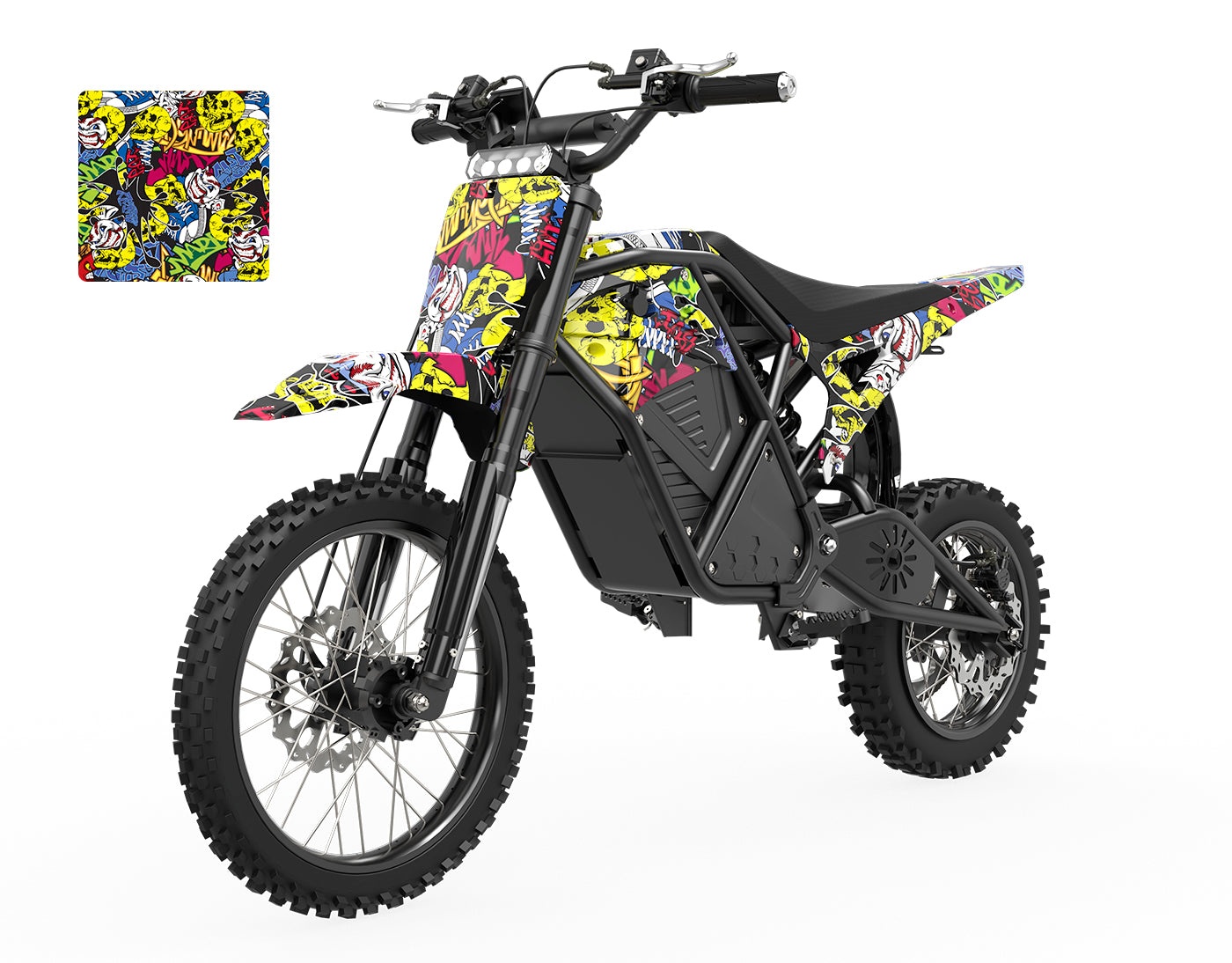
Why Choose an Affordable Moped Ebike? Understanding the Cost-Saving Benefits
Owning a car in 2024 costs the average American over $10,000 annually when you factor in insurance, fuel, maintenance, and depreciation. A moped ebike, by contrast, can cover the same daily commute for a fraction of that figure. Charging a typical electric bike battery costs roughly $0.10–$0.20 per full charge, translating to pennies per mile compared to gasoline-powered vehicles. Over a single year of regular commuting, that difference adds up to thousands of dollars back in your pocket.
Beyond fuel savings, affordable e-bikes dramatically reduce maintenance expenses. There’s no engine oil to change, no transmission to service, and far fewer moving parts to wear down. Routine upkeep — brake pads, tire checks, and occasional chain lubrication — remains minimal and inexpensive. Many riders report spending less than $100 annually on maintenance, a stark contrast to the $800+ average for car owners.
The environmental and personal health benefits are equally compelling. Moped ebikes produce zero direct emissions, helping reduce your carbon footprint on every trip. Pedal-assist modes also encourage light physical activity, supporting cardiovascular health without the intensity of traditional cycling. For budget-conscious commuters, the electric bike represents a rare intersection of financial practicality, environmental responsibility, and personal wellness — making it one of the smartest transportation investments available today.
Key Features to Look for in a Budget-Friendly Moped Ebike
Shopping for an affordable moped ebike means balancing cost against capability. The good news is that today’s budget-friendly models pack impressive technology without forcing painful compromises. Knowing which features genuinely matter — and which are marketing fluff — saves you money and frustration down the road.
Motor and Performance Specifications
Motor choice shapes your entire riding experience. Hub motors, mounted directly in the wheel, are the most common in affordable moped ebikes because they’re reliable, low-maintenance, and cost-effective to produce. Mid-drive motors offer better weight distribution and hill-climbing efficiency but typically raise the price. For most urban commuters, a 250W–500W hub motor delivers more than enough power for daily rides, handling moderate inclines and cruising speeds comfortably without straining your budget.
Battery and Range Considerations
Battery capacity, measured in watt-hours (Wh), directly determines how far you’ll travel on a single charge. A 36V 10Ah battery provides roughly 25–40 miles of range under mixed riding conditions — sufficient for most commuters. Pay attention to charging time as well; quality budget models typically recharge fully within 4–6 hours. Opt for bikes using lithium-ion cells from reputable manufacturers, as cheap battery packs degrade faster and pose safety risks.

Comfort and Safety Features
Never treat brakes and suspension as optional extras, even on budget models. Hydraulic disc brakes offer superior stopping power in wet conditions compared to mechanical alternatives, and some affordable moped ebikes now include them as standard. Front suspension forks absorb road vibrations, reducing rider fatigue on longer commutes. Ergonomic seating, adjustable handlebars, and integrated lighting round out the safety picture — ensuring you’re visible, comfortable, and in control regardless of riding conditions.
Step-by-Step Guide to Choosing the Best Affordable Moped Ebike
Step 1: Define Your Budget and Usage Requirements
Start by setting a firm budget range before browsing any listings. Reliable moped ebikes typically fall between $800 and $2,000 — anything significantly cheaper often cuts corners on battery quality or structural integrity. Alongside price, map out your actual riding needs: average daily distance, terrain type, whether you’ll ride in rain, and storage constraints. A commuter covering 10 miles daily on flat city streets has fundamentally different requirements than someone tackling hilly suburban roads. Getting these parameters clear upfront prevents impulse purchases that look attractive but underdeliver in real-world use.

Step 2: Compare Models and Read Reviews
Once your budget and requirements are defined, use dedicated e-bike review platforms, Reddit communities, and YouTube channel comparisons to evaluate specific models side by side. Search terms like “moped ebikes under $1,500” or “ESKUTE electric bikes review” surface detailed, real-world feedback that manufacturer websites won’t provide. Focus on verified buyer reviews that discuss long-term reliability — not just first-impression impressions. Pay particular attention to comments about battery longevity, customer service responsiveness, and how the bike performs after six months of regular use. ESKUTE consistently earns strong marks across these criteria, making it a reliable benchmark when comparing competing brands.
Step 3: Evaluate After-Sales Support and Warranty
A low purchase price means little if the brand disappears when something goes wrong. Before committing, verify the warranty terms — look for at least one year of coverage on the frame and motor, with separate battery warranty terms clearly stated. Contact the brand’s customer support directly with a pre-sale question; response speed and helpfulness reveal exactly what you’ll experience post-purchase. Brands that back their affordable e-bikes with accessible support channels and replacement parts availability protect your investment and keep repair costs manageable over the bike’s lifespan.
Top Recommendations: Affordable E-Bike Brands Worth Considering
When it comes to affordable moped ebikes that genuinely deliver on their promises, ESKUTE stands out as a benchmark brand worth serious consideration. Their moped-style electric bikes strike a compelling balance between build quality and accessible pricing, featuring solid motor performance, reliable lithium-ion batteries, and thoughtful ergonomic design. Rider feedback consistently highlights ESKUTE’s responsive customer support and durable construction — qualities that matter enormously when you’re investing in a daily commuter rather than an occasional weekend toy.
Beyond ESKUTE, several other brands compete credibly in the budget-friendly moped ebike space. Lectric eBikes has built a loyal following with feature-rich models that punch well above their price point, particularly for urban riders prioritizing portability. Rad Power Bikes offers robust moped-style options with strong community support and widely available replacement parts across North America. Himiway appeals to riders needing extra range and load capacity without stepping into premium pricing territory. Each brand brings distinct strengths — Lectric for compactness, Rad Power for ecosystem support, Himiway for endurance riding. Comparing these options using real user reviews and your specific commuting requirements will quickly surface which model aligns best with your daily needs and long-term budget goals.

Maximizing Savings: Maintenance and Usage Tips for Your Moped Ebike
Protecting your investment starts with proper battery care. Always store your moped ebike indoors when temperatures drop below freezing, and avoid draining the battery completely before recharging — keeping charge levels between 20% and 80% for routine storage significantly extends cell lifespan. Charge after each ride rather than waiting for a full depletion, and use only the manufacturer-supplied charger to prevent compatibility damage.
Regular mechanical checks take less than ten minutes but prevent costly repairs down the line. Inspect tire pressure weekly, check brake pad wear monthly, and keep the chain lightly lubricated every 100–150 miles. Catching a worn brake pad early costs a few dollars; ignoring it risks rotor damage that costs far more. Wipe down the frame and electrical contacts after wet rides to prevent corrosion from setting in.
Smarter riding habits also stretch your dollar further. Using pedal-assist mode instead of relying purely on throttle reduces battery drain and extends range per charge. Planning routes that minimize steep climbs preserves both motor and battery health over time. These small adjustments compound into meaningful savings — keeping your affordable e-bike running efficiently for years while keeping annual maintenance costs well under $100.