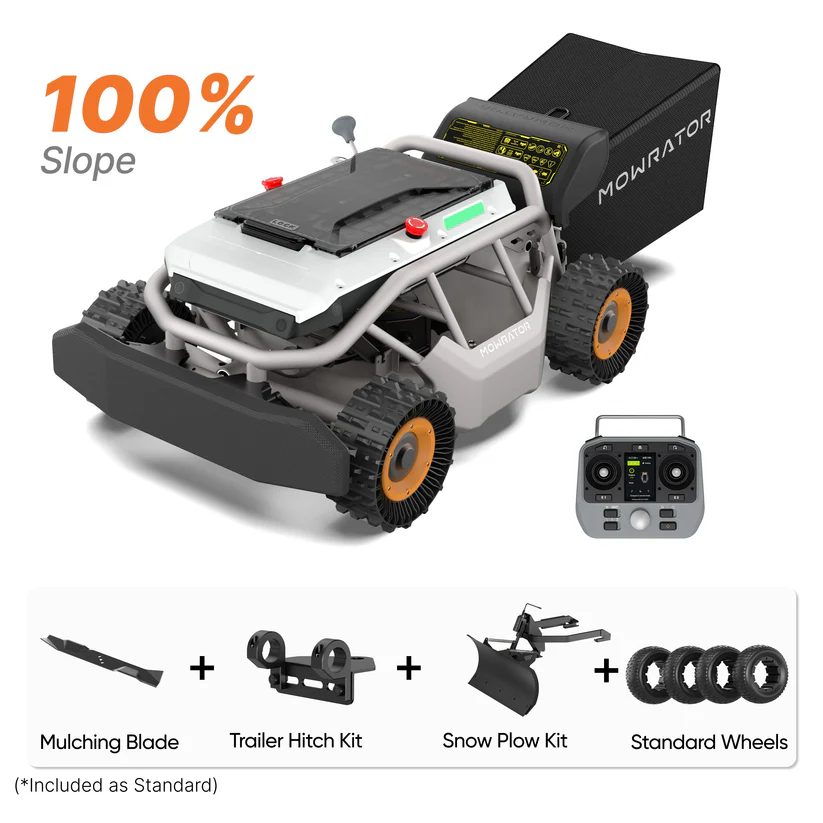
 Enter radio controlled lawn mowers, a cutting-edge solution designed for those who embrace technology in every corner of their lives. These innovative machines combine remote operation with intelligent automation, allowing you to maintain a perfectly manicured lawn with minimal hands-on involvement. Beyond sheer convenience, they offer impressive energy efficiency, seamless integration with smart home ecosystems, and the ability to handle challenging landscapes that would frustrate conventional mowers. For tech-savvy homeowners seeking to upgrade their outdoor maintenance routine, radio controlled mowers represent the intersection of practical engineering and modern innovation. In this guide, we’ll explore how these devices work, what features matter most, and how to choose the right model for your property.
What is a Radio Controlled Lawn Mower? Understanding the Basics
A radio controlled lawn mower is a motorized cutting machine operated wirelessly through a handheld transmitter or smartphone interface, eliminating the need to physically walk behind or ride the equipment. Unlike traditional push mowers or ride-on models that require direct human operation, these devices respond to radio frequency signals that control their movement, speed, and cutting patterns from a distance — sometimes up to several hundred feet away.
At their core, radio controlled mowers rely on a combination of RF communication, onboard processors, and precision motor systems. The operator sends directional commands through a controller, and the mower’s receiver translates those signals into real-time action. More advanced models blur the line between remote control and full automation, incorporating sensors and pre-programmed routines that allow the mower to navigate independently once activated. This evolution from simple remote operation toward truly automated lawn mowers reflects broader trends in robotics and IoT technology.
What makes these machines particularly appealing to tech-savvy homeowners is the level of control and customization they offer. You’re not just cutting grass — you’re managing a smart device that can be fine-tuned, updated, and integrated into a larger ecosystem of connected home tools. For anyone who enjoys optimizing systems and leveraging technology to solve everyday problems, a radio controlled mower transforms routine yard work into an engaging, efficient experience.
Advanced Technology for Easier Lawn Maintenance
Radio controlled lawn mowers thrive on the same technological principles that power smart homes, wearable devices, and connected vehicles. At the heart of their appeal is the ability to transform a mundane chore into a streamlined, data-driven process. Modern models come equipped with programmable mowing schedules that adapt to grass growth patterns, GPS navigation for precise coverage mapping, and dedicated smartphone apps that let you monitor progress, adjust settings, and receive maintenance alerts from anywhere. For homeowners already invested in ecosystems like Google Home, Amazon Alexa, or Apple HomeKit, many radio controlled mowers offer direct integration — meaning you can trigger a mowing session through a voice command or build it into your existing automation routines alongside sprinklers, outdoor lighting, and security cameras.
The connectivity doesn’t stop at convenience. Real-time data from onboard sensors feeds back into the app, giving you insights into mowing frequency, battery consumption, and terrain coverage over time. This turns your lawn into another optimized system within your household, one that improves with each cycle as the mower learns your property’s unique layout and adjusts its behavior accordingly.
Automated Lawn Mower Systems: How They Work
Automated lawn mower systems typically rely on boundary wires installed along your lawn’s perimeter, creating an invisible fence that defines the mowing area. More advanced units replace wires entirely with RTK-GPS positioning or LiDAR-based obstacle detection, mapping your yard digitally and navigating with centimeter-level accuracy. Once boundaries are established, the mower operates independently — returning to its charging dock when battery levels drop and resuming work automatically. This hands-off approach delivers consistent, even cutting without requiring you to supervise each session, making it ideal for homeowners who value reliable results with minimal manual intervention.
Key Features: Slope Handling and Energy Efficiency
When evaluating radio controlled lawn mowers, two capabilities consistently separate exceptional models from average ones: the ability to navigate slopes confidently and the efficiency with which they consume energy. For tech-savvy homeowners managing properties with varied terrain and a keen eye on operational costs, these features directly impact both performance and long-term value. Understanding how each works helps you invest in a machine that genuinely matches your property’s demands rather than one that looks impressive on paper but struggles in practice.
Slope Handling Capabilities: Tackling Uneven Lawns
Hilly or uneven properties present a real challenge for many mowing systems — standard robotic mowers often lose traction, produce uneven cuts, or simply refuse to operate beyond modest inclines. Radio controlled mowers engineered for slope handling address this through low center-of-gravity designs, aggressive tread patterns on oversized wheels, and dynamic weight distribution systems that shift balance as the terrain changes. Brands like MOWRATOR have developed models that manage steep gradients effectively, using gyroscopic stabilization to prevent tipping on inclines of 45 degrees or more. When selecting a mower for sloped terrain, measure your lawn’s steepest incline with a digital level app and match it against the manufacturer’s rated capability — always choosing a model rated at least 5 to 10 degrees beyond your actual need to ensure reliable performance in wet or leaf-covered conditions.
Energy-Efficient Mower Options: Saving Power and Money
Energy efficiency in radio controlled mowers goes beyond simply using less electricity. Modern lithium-ion battery packs deliver longer run times with faster charging cycles compared to older lead-acid alternatives, and some models incorporate regenerative braking that recaptures energy during downhill movement. Solar-assisted charging docks extend operational independence even further, reducing grid dependency during peak mowing season. Over a typical mowing year, an energy-efficient model can cut electricity costs significantly compared to corded electric or gas-powered alternatives, while producing zero direct emissions. For homeowners already tracking household energy consumption through smart meters or home management platforms, these mowers fit naturally into a broader strategy of reducing waste and optimizing resource use across every connected system in the home.
Choosing the Right Radio Controlled Lawn Mower: A Step-by-Step Guide
Selecting the ideal radio controlled mower requires more than browsing specifications — it demands a systematic evaluation of your property, your technical expectations, and your long-term ownership goals. The following steps will help you navigate the decision with confidence, ensuring the model you choose delivers genuine value rather than expensive frustration.
Step 1: Assess Your Lawn’s Characteristics
Start by mapping your property’s specifics. Measure the total mowing area using a GPS-based app or satellite imagery tool, then walk the terrain to identify the steepest gradients, narrow passages, flower beds, trees, and any permanent obstacles. Note whether your lawn has multiple zones separated by pathways or driveways. This baseline data determines the minimum coverage capacity, slope rating, and navigation sophistication your mower must possess — buying without this assessment often leads to a machine that either underperforms on hills or wastes capability on a flat, simple yard.
Step 2: Evaluate Technology and Automation Features
Once you understand your lawn’s demands, match them against available technology. Prioritize models offering remote control range sufficient for your property’s dimensions, robust app interfaces with real-time status updates, and safety sensors that detect pets, children, or unexpected objects. If your yard is complex, look for RTK-GPS or vision-based navigation rather than basic boundary wire systems. Compatibility with your existing smart home platform matters too — seamless integration means you can automate mowing alongside irrigation schedules and weather-responsive routines without managing separate apps.
Step 3: Consider Maintenance and Energy Efficiency
Factor in the total cost of ownership beyond the initial purchase. Models with self-cleaning cutting decks, corrosion-resistant materials, and tool-free blade replacement reduce the time and money spent on upkeep. On the energy side, compare battery capacity against your lawn’s size to ensure a single charge completes the job without interruption. Solar-compatible docking stations and efficient brushless motors further reduce operating expenses, making the mower economically sustainable across multiple seasons of use.
Step 4: Make an Informed Decision and Purchase
Before committing, read owner reviews from properties similar to yours — a glowing review from someone with a flat quarter-acre lot won’t tell you much if you’re managing a sloped half-acre. Request demonstrations from dealers when possible, or look for brands offering trial periods. Set a realistic budget that accounts for installation costs like boundary wire setup or professional GPS calibration. Finally, verify warranty coverage and the availability of local service support, since even the most reliable technology occasionally needs expert attention.
Maintenance Tips for Long-Term Efficiency and Low Upkeep
Keeping your radio controlled lawn mower performing at its best requires consistent but straightforward attention to a few critical areas. Start with the cutting blades — inspect them every two to three weeks during peak mowing season, looking for nicks, dullness, or debris buildup. Most models use bolt-on or clip-in blades that you can sharpen with a standard file or swap entirely without specialized tools. Dull blades tear grass rather than cutting it cleanly, which stresses your lawn and forces the motor to work harder, draining battery life faster.
Battery health deserves equal focus. Store your mower in a temperature-controlled space during off-season months, and avoid letting lithium-ion packs discharge completely before recharging. Most manufacturer apps display battery degradation metrics over time, giving you early warning when a replacement cycle approaches. Firmware and software updates are equally important — manufacturers regularly push patches that improve navigation algorithms, extend battery optimization, and resolve sensor calibration issues. Enable automatic updates through the companion app so your mower benefits from these improvements without manual intervention.
Finally, clean the undercarriage and wheel assemblies after every few sessions to prevent grass compaction from affecting traction or blade rotation. A quick rinse with a garden hose and a soft brush keeps mechanical components free from corrosive moisture buildup. These small habits collectively ensure your mower maintains peak energy efficiency and reliable performance across years of use, delivering on the low-maintenance promise that drew you to the technology in the first place.