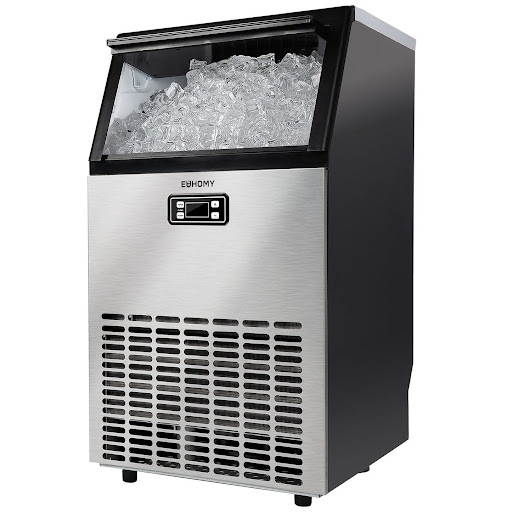
Every homeowner knows the frustration of a cluttered kitchen counter and an ice tray that never seems to keep up with demand. Whether you’re hosting a summer gathering or simply enjoying a cold drink after work, running out of ice at the wrong moment is a surprisingly common annoyance. The under counter fridge with ice maker offers an elegant answer to both problems at once—tucking neatly into your existing cabinetry while delivering a steady supply of fresh ice without sacrificing precious workspace. These compact appliances have become increasingly popular as kitchens trend toward cleaner lines and smarter use of every square inch. In this guide, we’ll walk you through the core benefits of under counter ice makers, the features that matter most when shopping, and practical advice on installation and maintenance. By the end, you’ll have a clear picture of how to choose an efficient ice solution tailored to your household’s needs and kitchen layout.
What is an Under Counter Fridge with Ice Maker?
An under counter fridge with ice maker is a compact ice maker that combines cooling storage and automated ice production in a single unit designed to slide beneath standard kitchen counters. Unlike standalone portable ice makers that sit on your countertop or large commercial ice machines built for restaurants and bars, these appliances are purpose-built for residential use—matching the height, depth, and width of typical base cabinetry. They connect to your home’s water supply and produce ice continuously without manual filling. Over the past decade, the under counter ice maker has evolved from a luxury found mainly in wet bars and entertainment rooms into a practical fixture in everyday kitchens. As open-concept layouts and minimalist design have gained popularity, homeowners increasingly seek appliances that disappear into their surroundings while still delivering dependable performance. These units bridge the gap between flimsy ice trays and oversized commercial equipment, offering a reliable middle ground for households that value both form and function.
Benefits of Under Counter Ice Makers for Homeowners
Space Optimization and Design Integration
One of the most compelling reasons to invest in an under counter ice maker is the immediate reclaiming of counter space. Instead of a bulky portable machine competing with your coffee maker and cutting boards, the unit tucks behind a cabinet panel or stainless-steel door that matches your existing appliances. In galley kitchens, this design integration is transformative—freeing up workspace while maintaining clean sightlines. Homeowners installing kitchen islands often dedicate one bay specifically to an under counter unit, placing ice within arm’s reach of a beverage station without disrupting the room’s flow. Even in larger layouts, fitting the appliance into standard kitchen cabinetry keeps the visual footprint minimal and the workflow uninterrupted.
Reliability and Ice Quality
Beyond aesthetics, these appliances deliver efficient ice solutions that traditional methods simply cannot match. A dedicated ice maker connected to your water line produces fresh batches around the clock, eliminating the wait-and-forget cycle of refilling trays. The ice itself tends to be denser and slower to melt than what home freezer trays produce, because the freezing process is more controlled and rapid. Many models offer clear or gourmet ice options that elevate everyday drinks without the cloudy, off-tasting results common with stagnant freezer ice. Noise levels also stay remarkably low—modern compressors and insulated compartments keep operational sound below conversational volume, so the unit works quietly in open-plan living spaces. For households that entertain regularly or simply prefer cold beverages on demand, the combination of consistent output and superior ice quality makes the investment worthwhile.
Key Features to Look for in a Compact Ice Maker
Choosing the right compact ice maker requires looking beyond brand names and focusing on the specifications that directly affect daily performance. Not every household needs the same output or features, so understanding what to prioritize helps you avoid overspending on capabilities you won’t use—or worse, ending up with a unit that can’t keep pace with your family’s habits.
Ice Production and Storage Capacity
Daily ice output is arguably the most important specification to evaluate. Residential under counter models typically produce between 20 and 50 pounds of ice per day, while a commercial ice machine designed for restaurant use might generate well over 100 pounds. For a family of four with moderate entertaining, a unit producing around 25 to 35 pounds daily usually provides comfortable headroom. Storage bin capacity matters equally—if the bin holds too little, the machine pauses production once it fills up, effectively wasting its potential output. Look for bins that store at least half of the unit’s daily production so ice accumulates during low-use hours and remains available when guests arrive. Consider also the type of ice produced: standard cubes work for most drinks, crescent shapes fit easily into narrow glass openings, and gourmet clear cubes melt slowly, making them ideal for cocktails and spirits.
Size and Installation Requirements
Before browsing models, measure the exact cavity where the appliance will sit—height, width, and depth all need to accommodate the unit plus any required ventilation clearance. Most under counter ice makers are designed for a standard 24-inch-wide cabinet opening with a height of roughly 34 inches, but front-ventilating models offer more flexibility because they don’t need rear or side airflow gaps. Confirm that a water supply line can reach the installation spot without excessive tubing runs, and verify that a grounded electrical outlet sits nearby. Energy efficiency ratings deserve attention as well; units with better insulation and variable-speed compressors consume less power over time, keeping operating costs low without compromising ice production. User-friendly digital controls, automatic alerts for full bins or low water, and easy-access drain plugs round out the features that separate a good purchase from a frustrating one.
How to Choose the Right Commercial Ice Machine for Your Kitchen
Selecting the best ice-making appliance for your home involves more than picking the first model that fits your budget. The right choice depends on how you actually use ice day to day, the physical constraints of your kitchen, and how long you expect the unit to serve your household. While the term commercial ice machine often conjures images of restaurant-grade equipment, many residential under counter models borrow commercial-grade components—stainless-steel evaporators, heavy-duty compressors, and antimicrobial linings—that deliver durability far beyond what portable units offer. Start by comparing the three main categories: portable countertop makers for occasional use, built-in under counter units for steady daily demand, and freestanding commercial ice machines for households that entertain at near-professional scale. Each occupies a different point on the spectrum of cost, output, and space requirements.
Assessing Your Ice Needs
Begin with an honest estimate of your household’s daily ice consumption. A couple who uses ice mainly for evening drinks might need only 10 to 15 pounds per day, while a family of five that fills water bottles, blends smoothies, and hosts weekend barbecues could easily burn through 30 pounds or more. Factor in peak scenarios—holiday parties, summer months, or game-day gatherings—because an undersized machine will leave you scrambling for bags of store-bought ice precisely when demand spikes. Jot down how many glasses of ice your household fills on an average day, multiply by roughly half a pound per glass, and add a 25-percent buffer for guests. That simple calculation gives you a realistic target output to match against product specifications.
Budget and Brand Considerations
Under counter ice makers span a wide price range, and the gap usually reflects build quality, ice type options, and warranty coverage rather than cosmetic differences alone. Entry-level units suit light-use households, while mid-range and premium models incorporate features like self-cleaning cycles, programmable schedules, and quieter compressors that justify the higher outlay for busy kitchens. Brands like Euhomy have gained traction among homeowners looking for reliable ice production at accessible price points, offering models that balance performance with value. When evaluating brands, prioritize those offering at least a two-year parts warranty and accessible customer service—replacement components should be easy to source years down the road. Reading verified owner reviews helps reveal real-world reliability beyond marketing claims. Create a simple checklist before you shop: required daily output, maximum dimensions, must-have features, and your firm spending ceiling. Walking into the decision with these parameters defined prevents impulse purchases and ensures the unit you bring home genuinely matches your kitchen’s demands.
Installation and Maintenance Tips for Efficient Ice Production
Getting your under counter ice maker up and running correctly from day one sets the foundation for years of trouble-free ice production. Equally important is establishing a simple maintenance routine that prevents mineral buildup, keeps components sanitary, and catches small problems before they escalate into expensive repairs.
Step-by-Step Installation Guide
Start by confirming the cavity dimensions one final time—allow at least a quarter-inch gap on each side for front-venting models, or follow the manufacturer’s clearance specs for rear-venting units. Shut off the water supply, then run a dedicated quarter-inch copper or braided stainless line from the nearest cold-water valve to the appliance’s inlet fitting, using a saddle valve or tee connector. Slide the unit into place, level it with adjustable feet so the door seals evenly, and plug into a grounded outlet on its own circuit. Turn the water back on, check every connection for drips, and let the machine run through two full ice cycles before using the ice—this flushes residual manufacturing dust from internal lines. If your plumbing knowledge is limited or the water line route is complex, hiring a licensed plumber for the connection protects both your warranty and your flooring.
Routine Maintenance and Care
Once a month, wipe down the condenser coils with a soft brush or vacuum attachment to prevent dust from forcing the compressor to work harder than necessary. Every three to six months, run the built-in cleaning cycle using a manufacturer-approved nickel-safe descaling solution—this dissolves mineral scale inside the evaporator and water lines that would otherwise reduce ice production and introduce off-flavors. Replace the inline water filter on the schedule printed in your owner’s manual, typically every six months or after producing a set volume of water. Watch for warning signs that signal a service call: ice cubes that appear smaller than usual, unusual compressor cycling, water pooling beneath the unit, or a noticeable drop in daily output. Addressing these symptoms early keeps repair costs minimal and ensures your kitchen’s ice supply stays consistent through every season.
Comparing Under Counter Ice Makers vs. Other Options
When weighing your ice-making options, it helps to see how under counter models stack up against the most common alternatives. Countertop portable ice makers require no installation and cost less upfront, but they demand constant manual refilling, occupy valuable workspace, and produce lighter ice that melts quickly. Refrigerator ice dispensers built into full-size freezer doors offer convenience, yet their output is limited, the ice often absorbs freezer odors, and the mechanism is one more component that can fail inside an already complex appliance. Larger commercial units deliver massive daily output, but they consume significant floor space, draw more power, and generate noise levels unsuitable for most residential settings. Under counter ice makers occupy a practical sweet spot for homeowners—they connect directly to your water line for hands-free operation, fit within standard kitchen cabinetry without stealing counter or floor space, and produce enough ice for daily family use plus entertaining. Their dedicated design means the compressor and evaporator are optimized solely for ice production rather than splitting duties with food storage, resulting in better ice quality and more predictable output. For kitchens where efficiency, aesthetics, and reliable performance all matter, the under counter option consistently delivers the strongest balance of benefits.
Choosing the Right Under Counter Ice Maker for Your Home
An under counter fridge with ice maker solves two persistent kitchen challenges simultaneously—reclaiming valuable workspace and ensuring a dependable supply of quality ice whenever you need it. Throughout this guide, we’ve seen how these compact ice makers integrate seamlessly into standard kitchen cabinetry, delivering the clean aesthetic modern homeowners demand without compromising on performance. The key features worth prioritizing include daily ice production capacity matched to your household’s actual consumption, proper sizing for your cabinet opening, energy-efficient operation, and straightforward maintenance access. Installation is manageable for most homeowners willing to run a water line and follow clearance requirements, while a consistent cleaning routine keeps ice production at peak levels for years. Compared to countertop alternatives, freezer dispensers, or oversized commercial ice machines, the under counter model strikes the most practical balance of output, space efficiency, and ice quality for residential use. Take time to measure your available cavity, calculate your daily ice needs with a realistic buffer for entertaining, and set a clear budget before shopping. With those parameters in hand, you’ll confidently select a unit that transforms your kitchen into a more efficient, clutter-free space where fresh ice is always within reach.

The Dark Side of AI Chatbots: Privacy Risks You Should Know

Beyond the Algorithm: The Undeniable Benefits of Shopping with Independent Menswear Retailers

The Impact of Eco-Friendly Packaging on Consumer Buying Behavior in 2023