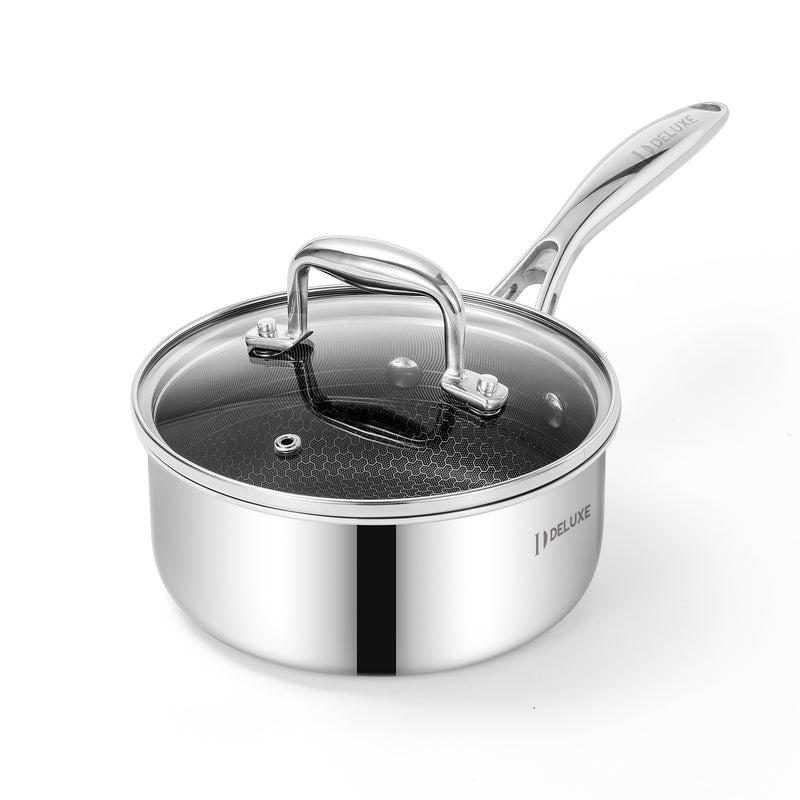
Setting up your first kitchen can feel like standing in a housewares aisle with an empty cart and an even emptier wallet. Whether you’re moving into a dorm, your first apartment, or simply trying to cook more on a student budget, the sheer number of pots, pans, and gadgets available can paralyze even the most enthusiastic home cook. Here’s the good news: you don’t need a professional chef’s arsenal to make great meals. A soup pot bundle offers one of the smartest starting points for anyone building a kitchen from scratch. By investing in a single, well-chosen set, you get multiple cooking vessels that handle everything from weeknight pasta to Sunday batch soups—without blowing your budget on pieces you’ll rarely touch.
This guide walks you through building a complete kitchen essentials kit anchored by a soup pot bundle. You’ll learn how to pick the right set for your needs, which complementary tools to add over time, and how to do it all affordably and efficiently. If budget-friendly options and easy-to-use tools are at the top of your priority list, you’re in the right place.
Why a Soup Pot Bundle is the Core of Your Kitchen Essentials
A soup pot bundle typically includes two or three pots in graduated sizes along with matching lids, giving you an instant cookware collection in a single purchase. This combination covers a surprising range of cooking tasks right out of the box. The largest pot handles batch soups, pasta water, and stews. A mid-size option works perfectly for grains, sauces, and steaming vegetables. If a smaller pot is included, you’ve got your go-to for reheating leftovers, boiling eggs, or making oatmeal.
For students and first-time cooks, this approach solves two problems at once. First, buying a bundle costs significantly less than purchasing each pot individually—manufacturers pass along savings when you commit to a matched set. Second, a coordinated bundle reduces decision fatigue. Instead of researching dozens of standalone pieces, you start with a cohesive system where every lid fits, every pot stacks neatly, and nothing feels redundant. You spend less time shopping and more time actually learning to cook. Think of a soup pot bundle as the backbone of your kitchen essentials kit: it won’t do everything, but it handles the heavy lifting while you build outward at your own pace and budget.
Choosing the Right Affordable Cookware: Key Features of a Soup Pot Bundle
Not all soup pot bundles are created equal, and spending a few minutes understanding key features will save you from buyer’s remorse down the road. When you’re shopping for affordable cookware, the goal isn’t to find the cheapest option—it’s to find the best value, meaning a set that performs well, lasts through your college years and beyond, and doesn’t demand expert-level maintenance. Three factors matter most: material, size, and the balance between cost and quality.
Before you click “add to cart,” consider how the bundle fits your actual cooking life. A set with pots too large for your burners or too heavy to lift comfortably when full will end up collecting dust. Similarly, a bundle made from flimsy material might save money upfront but warp or stain within months, forcing a replacement purchase that erases any initial savings. The right soup pot bundle feels like a tool you’ll reach for daily, not a compromise you tolerate.
Material and Durability for Long-Term Use
Stainless steel remains the most popular choice for affordable cookware bundles because it resists staining, doesn’t react with acidic foods like tomato sauce, and holds up to years of regular use without special care. It’s dishwasher-safe and nearly impossible to damage with normal cooking. The trade-off is that food can stick if you don’t use enough oil or preheat properly, but this is a skill you’ll develop quickly. Non-stick coatings offer easier cleanup and forgiving cooking surfaces, making them appealing for beginners who worry about scorching oatmeal or rice. However, non-stick layers degrade over time, especially with metal utensils or high heat, so these bundles may need replacing sooner. Aluminum pots heat quickly and cost less, but they’re prone to warping and can discolor with acidic ingredients. For most students, a stainless steel bundle with an aluminum or copper-clad base offers the sweet spot—even heat distribution, solid durability, and a price that won’t strain a tight budget.
Assessing Versatility and Size
Think about what you actually cook in a typical week. If most of your meals serve one or two people, a bundle with pots ranging from roughly two quarts to six or eight quarts covers nearly every scenario without overwhelming your cabinet space. The smallest pot handles morning oatmeal, ramen, or reheating a single portion of soup. The mid-range pot becomes your workhorse for cooking rice, boiling vegetables, or preparing sauces in larger quantities. The largest pot earns its keep on meal-prep days when you’re making a full batch of chili or cooking pasta with plenty of water to prevent sticking. Avoid bundles where all the pots cluster around the same size—you’ll end up with redundancy instead of range. Also check that the saucepans and pots nest inside each other for storage, a critical detail when your kitchen is a single shelf in a shared apartment.
Expanding Your Kit: Essential Cookware Beyond the Soup Pot Bundle
Once your soup pot bundle is in place, you’ll quickly notice gaps in what you can cook. A bundle of pots excels at liquid-based cooking—soups, boiling, steaming—but it won’t sear a chicken breast, fry an egg, or bake roasted vegetables. The next layer of your kitchen essentials kit fills those gaps without duplicating what you already own. The key is choosing pieces that open up entirely new cooking methods rather than slightly different versions of what your pots already do. Each addition should feel like unlocking a new category of meals, and every item should earn its cabinet space by serving multiple purposes.
Resist the temptation to buy everything at once. A phased approach lets you spread costs across several weeks or months, test what you actually need through real cooking experience, and avoid cluttering a small kitchen with tools that sounded useful in the store but gather dust in practice. Start with the pieces that complement your soup pot bundle most directly, then expand as your confidence and recipe repertoire grow.
Must-Have Saucepans and Complementary Pieces
A ten- or twelve-inch frying pan is your first priority after the soup pot bundle. It handles everything from scrambled eggs and stir-fries to pan-seared proteins and quesadillas—tasks no saucepan or stockpot can replicate. Choose a non-stick version if easy cleanup matters most, or opt for stainless steel if you want to develop fond for pan sauces. Next, add a rimmed baking sheet. This single flat pan roasts vegetables, bakes cookies, toasts nuts, and even serves as a broiler tray. If your bundle didn’t include a small saucepan in the one-to-two-quart range, pick one up separately; it’s indispensable for melting butter, warming small portions of soup, or making a single serving of hot chocolate. Round out this phase with a few essential utensils: a heat-resistant spatula, a wooden spoon, and a pair of tongs. These three tools interact with every piece of cookware you own and prevent you from scratching surfaces or burning your fingers.
Budget-Friendly Prioritization Strategy
Rank every potential purchase by asking two questions: how many different meals does this item make possible, and how often will I realistically use it each week? Items that score high on both counts—like a frying pan or a cutting board—belong at the top of your list. Items that serve a single purpose, no matter how appealing, drop to the bottom. A waffle maker might sound fun, but a versatile skillet makes waffles unnecessary when you can produce pancakes, omelets, and grilled sandwiches instead. Set a monthly “kitchen budget” of even a small amount and dedicate it exclusively to filling gaps. Check thrift stores, end-of-semester sales from graduating students, and online marketplace groups where barely-used cookware appears regularly at steep discounts. Within two or three months of intentional, prioritized spending, you’ll have a fully functional kitchen built around your soup pot bundle without any single purchase feeling like a financial strain.
Step-by-Step Guide to Building Your Kitchen Essentials Kit with a Soup Pot Bundle
Knowing what to buy is only half the equation—knowing how to approach the process makes the difference between a kitchen that works for you and a collection of impulse purchases shoved into overcrowded cabinets. This step-by-step framework turns the theory from earlier sections into a concrete action plan. Follow it at whatever pace your budget and schedule allow, and you’ll end up with a streamlined, functional kitchen built around your soup pot bundle within a few months.
Step 1: Define Your Cooking Style and Budget
Before you spend a dollar, spend fifteen minutes with a notebook. Write down what you actually ate over the past week—not what you wish you’d cooked, but what you realistically prepared or would have prepared with the right tools. Most students discover their rotation includes pasta, rice dishes, soups, eggs, stir-fries, and simple baked items. This short list tells you exactly which cookware earns daily use and which would sit idle. Next, set a realistic total budget for your entire kitchen setup over the next two to three months. Break that number into phases: the soup pot bundle first, then one or two complementary items per month. Factor in your available space as well. Measure your cabinet or shelf dimensions, count your burners, and note whether you have oven access. A student with a two-burner hot plate and a single shelf needs a different kit than someone with a full-size range. This honest assessment prevents you from buying cookware that physically doesn’t fit your living situation, saving both money and frustration before you even start shopping.
Step 2: Selecting and Purchasing Your Soup Pot Bundle
With your cooking profile and budget defined, you can shop with precision instead of guesswork. Start by reading user reviews from people in similar situations—students, apartment dwellers, and beginner cooks offer the most relevant feedback about durability under real-world conditions. Compare at least three bundles that fit your budget range, checking material, included sizes, and whether lids are included or sold separately. Brands like Deluxe Cookware offer soup pot bundles specifically designed with graduated sizes and durable stainless steel construction that appeal to first-time kitchen builders. Shop during back-to-school sales in late summer, holiday promotions, or end-of-season clearance events when cookware is frequently discounted. Online marketplaces often feature open-box or lightly used sets at significant markdowns. Before finalizing your purchase, confirm the return policy in case a pot doesn’t fit your burner or feels uncomfortably heavy when filled. Once your bundle arrives, wash everything with warm soapy water, test each pot on your stovetop to check for wobbling or uneven heating, and cook a simple meal—boil pasta in the large pot, steam vegetables in the mid-size one—to confirm the set meets your expectations before the return window closes.
Step 3: Adding and Organizing Your Kitchen Essentials
With your soup pot bundle established as the foundation, begin filling gaps one item at a time using the prioritization strategy from earlier. During month one, add a frying pan and basic utensils—spatula, wooden spoon, tongs. Month two, introduce a rimmed baking sheet and a cutting board with a knife. Month three, pick up any remaining items like a colander, measuring cups, or a small saucepan if your bundle lacked one. Keep a running checklist on your phone so you can grab items opportunistically when you spot a deal at a thrift store or campus swap group. For organization in tight spaces, nest your pots with a dish towel between them to prevent scratching, hang utensils on an adhesive hook strip inside a cabinet door, and store your baking sheet vertically beside the fridge or between the counter and wall. Maintain your tools by drying pots immediately after washing to prevent water spots on stainless steel, and avoid stacking heavy items on non-stick surfaces. These small habits extend the life of affordable cookware dramatically, ensuring your soup pot bundle and its companions serve you well beyond your first kitchen and into whatever space comes next.
Start Building Your Kitchen One Smart Purchase at a Time
Building a kitchen essentials kit doesn’t require a massive upfront investment or encyclopedic cooking knowledge—it requires a smart starting point and a willingness to grow from there. A soup pot bundle gives you that foundation by delivering multiple versatile cooking vessels in one affordable purchase, covering everything from boiling pasta to simmering batch soups. By choosing a set with durable materials and well-graduated sizes, you ensure years of reliable use without cluttering a small kitchen. From there, expanding strategically with a frying pan, baking sheet, and basic utensils unlocks entirely new meal categories while respecting your budget. The step-by-step approach—assessing your cooking habits first, purchasing your bundle with intention, then adding complementary pieces month by month—keeps the process manageable and prevents regrettable impulse buys.
You don’t need to build your dream kitchen overnight. Start with the soup pot bundle that fits your space and budget this week, cook a few meals to discover what’s missing, and fill those gaps deliberately over time. Every great home cook started with a single pot and the willingness to try. Your kitchen essentials kit is waiting to be built—one smart purchase at a time.
How to Build a Kitchen Essentials Kit with a Soup Pot Bundle
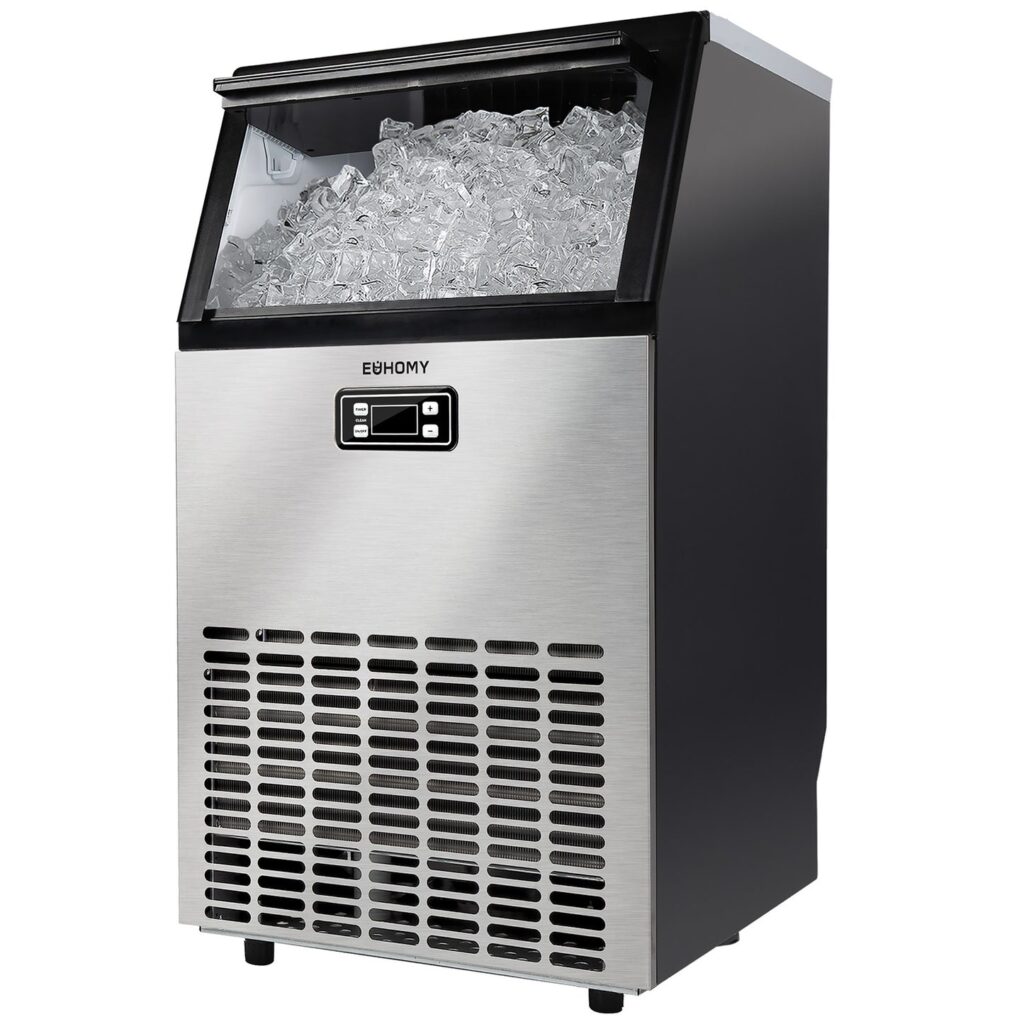
Under Counter Fridge Ice Makers for Efficient Kitchens

How Outdoor Swings Encourage Active Play in Community Spaces