Excavation Best Practices: How to Prepare Land for Construction and Landscaping
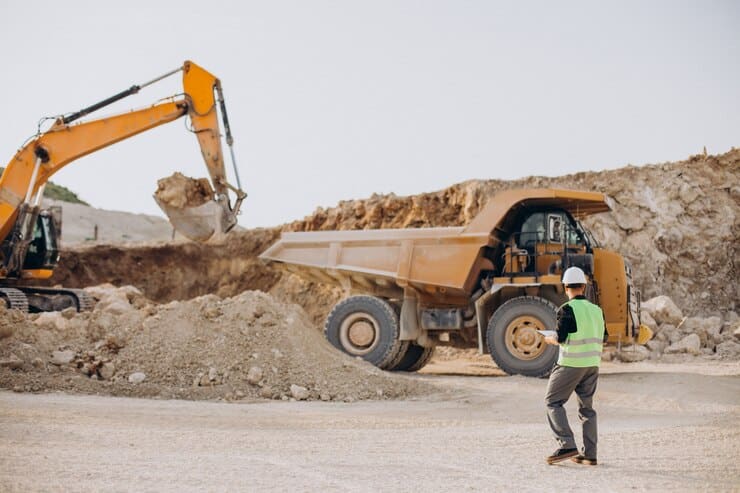
Excavation is the foundation of any successful construction or landscaping project. Whether preparing a site for a new home, commercial building, or outdoor transformation, proper excavation ensures stability, drainage, and efficiency. A well-executed excavation process reduces risks such as soil erosion, structural instability, and drainage issues.
Understanding the best practices for excavation helps property owners, developers, and contractors ensure that their projects start on solid ground. Working with a professional land services company can make all the difference in achieving precision, efficiency, and long-term success.
1. Conducting a Site Assessment Before Excavation
Every piece of land has unique characteristics, and a thorough assessment before excavation is essential to identifying potential challenges.
Key Factors to Evaluate:
- Soil composition: Different soil types affect stability, drainage, and compaction.
- Topography: The slope and elevation of the land determine how water flows and how excavation should be planned.
- Underground utilities: Identifying gas lines, water pipes, and electrical cables prevents accidental damage.
- Environmental impact: Ensuring that excavation does not disrupt natural habitats or cause unnecessary erosion.
A professional site evaluation helps determine the best excavation strategy while complying with environmental and safety regulations.
2. Planning for Proper Drainage
Drainage is one of the most important factors in excavation. Poor drainage can lead to water pooling, soil erosion, and foundation damage.
Best Practices for Drainage Planning:
- Grading the land: Adjusting elevation to guide water away from structures and prevent flooding.
- Installing drainage systems: French drains, culverts, and retention ponds help manage excess water.
- Avoiding water table interference: Digging too deep can impact groundwater levels, leading to long-term instability.
Proper drainage planning ensures that water flows naturally away from critical structures, reducing the risk of future issues.
3. Choosing the Right Excavation Equipment
Using the right tools and machinery makes excavation more efficient and precise. Equipment selection depends on the size and complexity of the project.
Common Excavation Equipment:
- Excavators: Used for digging and moving large amounts of soil.
- Bulldozers: Ideal for leveling land and clearing vegetation.
- Backhoes: Versatile machines for trenching and material handling.
- Grading equipment: Ensures even surfaces and proper slopes.
Selecting the correct equipment for the job improves accuracy and minimizes environmental disturbance.
4. Excavating Safely to Prevent Hazards
Excavation comes with risks, from soil collapses to equipment-related accidents. Prioritizing safety protects workers, property, and surrounding land.
Safety Measures for Excavation:
- Marking underground utilities: Calling local utility companies before digging prevents dangerous accidents.
- Stabilizing trenches: Using trench boxes or shoring prevents cave-ins.
- Monitoring weather conditions: Heavy rain can weaken soil, increasing the risk of collapse.
- Using proper protective gear: Workers should wear helmets, gloves, and boots designed for excavation sites.
Following these safety measures ensures that excavation projects proceed without unnecessary delays or dangers.
5. Managing Excavated Soil and Debris
Once the land has been excavated, managing the removed soil and materials is an essential part of the process.
Options for Handling Excavated Materials:
- Reusing soil for landscaping: High-quality soil can be repurposed for gardens, slopes, or erosion control.
- Hauling away excess material: If soil is not needed, it should be removed properly to keep the site clean.
- Recycling rock and debris: Crushed stone and rock can be repurposed for driveways, pathways, or drainage systems.
Efficient debris management keeps excavation sites organized and environmentally friendly.
6. Excavation for Different Types of Projects
Not all excavation projects are the same. The approach and techniques vary depending on the purpose of the excavation.
Residential and Commercial Foundations
- Precise trenching ensures stable footings for homes and buildings.
- Soil compaction techniques help prevent foundation settling.
Road and Driveway Preparation
- Grading ensures smooth, even surfaces for long-term durability.
- Drainage planning prevents water damage to roadways.
Landscaping and Outdoor Features
- Creating terraces, ponds, and retaining walls requires strategic excavation.
- Tree and vegetation removal ensures proper site preparation without disrupting the ecosystem.
Each project requires careful planning to ensure long-lasting results.
7. The Role of Fire Mitigation in Excavation
In fire-prone areas, excavation plays a role in reducing wildfire risks.
Fire Mitigation Excavation Strategies:
- Creating firebreaks: Clearing sections of land to stop the spread of wildfires.
- Removing combustible materials: Excavating dry brush, dead trees, and other fire hazards.
- Building defensible spaces: Preparing land around homes and buildings to create safer zones.
Incorporating fire mitigation efforts into excavation planning enhances both safety and sustainability.
8. Seasonal Considerations for Excavation
Timing plays a crucial role in excavation success. Different seasons bring unique challenges that must be considered.
Spring and Summer Excavation:
- Ideal for major projects due to stable soil conditions.
- Dry weather reduces delays caused by mud and water accumulation.
Fall and Winter Excavation:
- Colder temperatures can make soil harder to work with.
- Frost and moisture require additional precautions to prevent soil shifting.
Understanding seasonal factors ensures that excavation projects remain on schedule and within budget.
9. Compliance with Local Regulations and Permits
Before excavation begins, it’s essential to secure the necessary permits and follow local guidelines.
Common Regulatory Requirements:
- Zoning laws: Ensure that excavation aligns with land-use policies.
- Environmental impact assessments: Required for projects near wetlands, forests, or protected land.
- Soil disposal regulations: Some areas have strict rules on where and how excavated materials can be relocated.
A professional land services company helps navigate these requirements, ensuring compliance and avoiding legal complications.
10. Why Professional Excavation Services Matter
While some excavation tasks may seem manageable, professional expertise ensures that projects are executed efficiently and safely.
Advantages of Hiring Professionals:
- Precision and accuracy: Experienced operators use advanced equipment to achieve the best results.
- Risk reduction: Proper safety protocols prevent accidents and costly mistakes.
- Time and cost savings: Professional excavation avoids delays and reduces long-term repair expenses.
Bear Claw Land Services provides expert excavation services, ensuring that land preparation is handled with precision and efficiency.
Final Thoughts: Laying the Groundwork for Successful Projects
Excavation is the first step in many construction and landscaping projects, making it essential to do it right. Proper planning, safety precautions, and professional expertise ensure that land is prepared for long-term success.
From grading and drainage solutions to fire mitigation and debris management, every aspect of excavation plays a role in creating a stable and functional foundation. Working with a professional land services company ensures that excavation projects meet high standards of efficiency, safety, and sustainability.
Taking the time to follow best practices today leads to stronger, more resilient projects in the future.

Top 10 Hair Transplant Clinics in Turkey (2026 Edition)

Ana Luz Rodriguez-Paz: A Trailblazer in Healthcare

Debbie Wahlberg: Unraveling the Life and Legacy