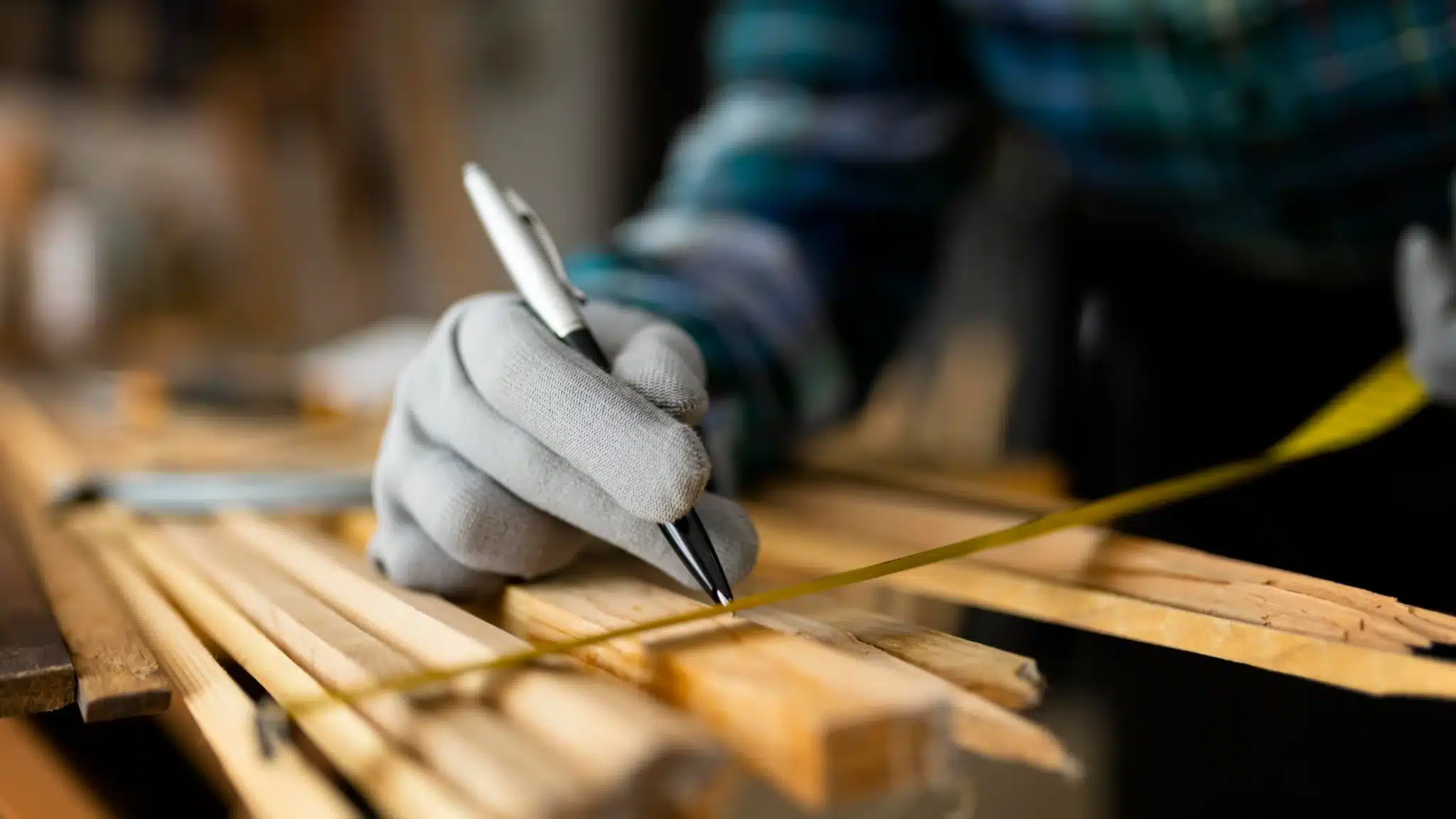
Timber remains a foundational material in residential, commercial, and mixed-use production. What has changed is how specialists examine and quantify it. Precision wood analytics specializes in knowledge of actual material needs, load conduct, and design compatibility before creation starts.
Modern virtual platforms allow estimators and planners to visualize wood usage all the way down to individual contributors. Instead of relying on generalized formulas, teams can investigate species type, dimensions, and location with confidence. This subtle technique minimizes guesswork and enables the prevention of overordering or shortages that disrupt workflows.
Within this context, lumber takeoff plays an essential function by translating layout motive into measurable quantities. When supported by using delicate evaluation equipment, this process turns into faster, more reliable, and much less liable to expensive revisions later in the challenge lifecycle.
Data-Driven Timber Measurement for Smarter Planning
Data-driven measurement has converted wood planning right into a strategic benefit. By integrating architectural drawings, 3-d models, and ancient records, refined gear offers a comprehensive view of timber necessities throughout all challenge levels.
These gears allow production teams to simulate distinct layout alternatives and right away see how changes have an effect on fabric portions and costs. This flexibility helps higher decision-making throughout preconstruction, where adjustments are least steeply-priced and most impactful.
Another advantage lies in waste reduction. Precise measurements mean fewer offcuts and less unused fabric left on-web page. Over time, this not only lowers fees but also supports sustainability desires, which can be increasingly vital to customers and regulators alike.
The Strategic Role of Estimation Expertise in Timber Projects
As timber evaluation gears evolve, so does the position of expert estimators. Accurate wood making plans is no longer pretty much counting portions; it involves information layout complexity, production sequencing, and market conditions.
A reliable Construction estimating Company brings structure and clarity to this process. By combining subtle wooden evaluation tools with professional judgment, such corporations help contractors and builders avoid underestimation that results in price range overruns or overestimation that weakens bid competitiveness.
Their information ensures that wood portions align with real-international production practices, accounting for factors like waste allowances, dealing with necessities, and nearby material standards.
Integrating Technology and Experience for Better Outcomes
Technology by myself can not guarantee correct outcomes. The first-rate outcomes come from integrating advanced evaluation tools with skilled specialists who realize a way to interpret the information effectively.
Estimators who recognize wood behavior, building codes, and task logistics can become aware of inconsistencies that software might omit. They can also modify assumptions based on website situations or client choices, ensuring estimates remain practical and actionable.
When subtle wooden evaluation tools are guided by professional perception, projects adbenefitrom smoother procurement, fewer change orders, and stronger collaboration among designers, builders, and providers.
Streamlining Timber Workflows Through Digital Solutions
Refined analysis tools do morethan improve accuracy; they streamline complete workflows. Digital systems centralize timber facts, making it handy to all stakeholders concerned in a venture.
With well-structured Construction estimating services, teams can coordinate material making plans with scheduling and budgeting. This alignment reduces delays resulting from late deliveries or miscommunication among departments.
Digital solutions also guide model control, making sure that everyone works from the most up-to-date facts. This is particularly valuable in initiatives wherein layout revisions are common and timelines are tight.
Supporting Sustainable and Cost-Efficient Construction
Sustainability is no longer optional in creation, and timber analysis plays a key function in meeting environmental goals. Refined tools help teams select the foremost wooden sizes and grades, lowering waste and improving material efficiency.
Cost efficiency follows obviously from this technique. Accurate evaluation prevents useless spending on extra substances and decreases hard work charges related to rework. Over time, those financial savings may be great, mainly on large-scale projects.
By aligning subtle timber analysis with comprehensive Construction estimating offerings, construction companies can deliver initiatives that are each economically and environmentally responsible.
Read More: Dimensional 2×6 Lumber Sizes Applied in Building and Remodeling of Home
Final Thoughts
Refined wooden evaluation tools are reshaping how creation experts plan, estimate, and execute tasks. By changing assumptions with facts-driven insights, those gearsimprove accuracy, lessen waste, and help higher collaboration throughout groups.
When blended with professional know-how and cutting-edge virtual workflows, delicate wood evaluation results in more potent economic manipulation and more predictable effects. As the construction industry continues to evolve, folks who invest in smarter wood evaluation can be better placed to deliver incredible, sustainable, and worthwhile tasks.
Frequently Asked Questions
What makes delicate wood analysis one of a kind from traditional techniques?
Refined wood analysis uses digital gear and specific information to calculate unique cloth needs, while conventional techniques regularly depend upon manual calculations and generalized assumptions.
How do these tools improve venture timelines?
By imparting correct fabric portions early, delicate evaluation reduces delays resulting from reorders, shortages, or design adjustments throughout production.
Are subtle timber evaluation tools appropriate for small initiatives?
Yes, they scale correctly and may assist in controlling small tasks, controllingexpenses and limiting waste just as efficiently as large developments.
Do these tools require specialized training?
While fundamental education is useful, many structures are consumer-friendly. The first-class effects come whilst tools are used by skilled production experts.
How do refined timber analysis tools help sustainability?
They optimize cloth utilization, reduce waste, and assist groups in choosing green wooden answers, contributing to extra sustainable production practices.

The Hidden Half of AI Image Creation – Editing, Iteration, and Control

Traditional Tools vs. HOZO Design Laser Measuring Devices

How to Recover WhatsApp Data from iPhone