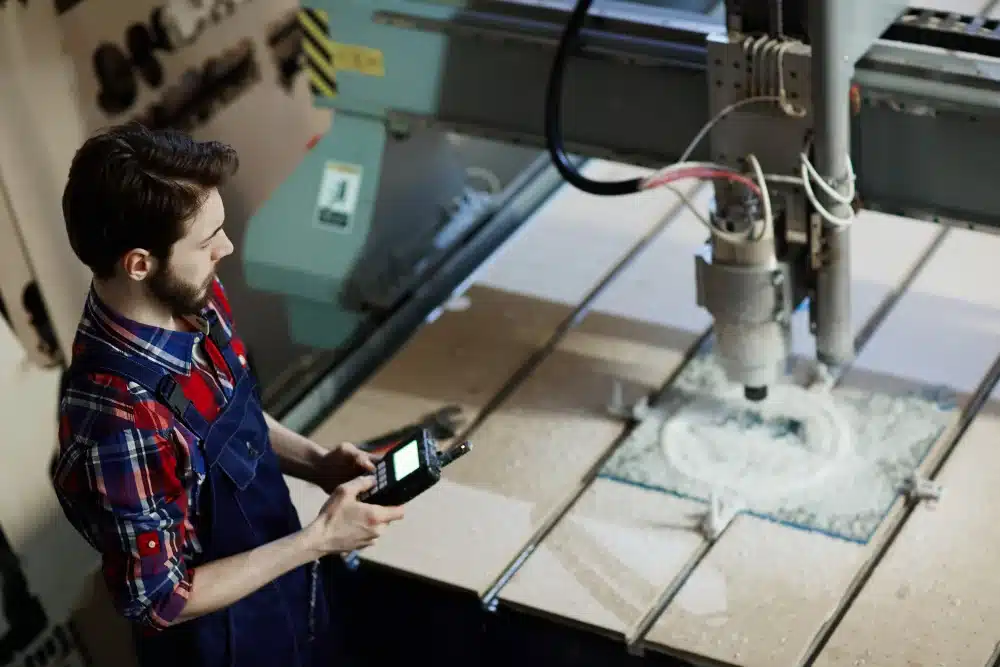
Introduction
Repmold has become a critical component of modern manufacturing because it directly addresses the growing demand for speed, accuracy, and sustainability. When manufacturers talk about repmold today, they refer to a specialized molding system or technology designed to shape materials with high precision and repeatability. While the term may sound technical, the underlying idea is straightforward: create consistent, high-quality molds that improve production efficiency while reducing waste and costs.
In real production environments, inconsistent prototypes and frequent rework can slow down operations and increase expenses. Many manufacturers experience a noticeable transformation after adopting a reliable repmold system. Production becomes predictable, workflows stabilize, and product quality improves across batches. As automation and digital manufacturing continue to advance, repmold is no longer optional—it is becoming essential.
In today’s fast-paced manufacturing landscape, innovation determines competitiveness. Repmold represents a major shift in how molds are designed, tested, and produced. By combining digital intelligence, precision engineering, and sustainable practices, repmold turns traditional mold-making into an agile, efficient, and future-ready process. Industries such as automotive, aerospace, medical devices, and consumer electronics increasingly rely on repmold to shorten production timelines, lower costs, and enhance product performance.
What Is Repmold?
Repmold is a next-generation mold manufacturing solution built to enhance precision, speed, and sustainability. It integrates advanced technologies such as computer-aided design (CAD), computer-aided manufacturing (CAM), additive manufacturing, CNC machining, and AI-driven optimization.
Unlike traditional mold-making methods that can take weeks, repmold enables digitally driven fabrication that significantly reduces turnaround time. Its hybrid approach minimizes human error, ensures accurate replication of designs, and supports efficient use of materials. Whether producing small medical components or large industrial tooling, repmold systems are designed to meet exact specifications with consistent results.
See also Comprehensive Guide to Concrete Repair: Techniques, Benefits, and Best Practices
History of Repmold Development
Before repmold systems became common, manufacturers relied heavily on manual molding techniques. Early molds were often crafted by hand, leading to slow production speeds and inconsistent quality. As industrial demands increased, the need for uniform and repeatable parts pushed industries toward more advanced solutions.
The introduction of digital design tools marked a turning point. Engineers could design molds with high precision, simulate performance, and identify issues before physical production began. Over time, repmold systems evolved to combine automation, advanced materials, and digital modeling. While technology has advanced significantly, the core purpose remains unchanged: delivering consistency, efficiency, and reliability in manufacturing.
How Traditional Mold-Making Works
Time-Intensive Processes
Traditional mold-making typically involves multiple manual stages, including machining, testing, and refinement. Skilled technicians shape materials such as steel or aluminum using conventional equipment. Any design changes often require restarting parts of the process, which adds delays and costs.
Cost and Waste Challenges
Manual methods generate material waste through repeated tooling and corrections. These inefficiencies increase production costs and make it difficult for small and mid-sized manufacturers to compete. Repmold systems address these challenges by streamlining production through digital precision and automation.
Why Repmold Matters Today
Manufacturers today face shorter product life cycles, tighter supply chains, and higher customer expectations. Repmold systems support these demands by ensuring consistent output, reducing errors, and enabling scalable production. Both large enterprises and startups rely on repmold to stabilize workflows, manage costs, and maintain quality across production runs.
Key Features of Repmold Systems
Modern repmold technology offers several key advantages:
- High durability for long-term use
- Accurate shaping and dimensional consistency
- Faster production cycles
- Compatibility with multiple materials
- Support for complex geometries
- Rapid prototyping and digital replication
- Smart automation and process monitoring
- Reduced material waste and energy consumption
Core Technologies Powering Repmold
CAD/CAM Integration
Repmold systems rely on seamless integration between design and manufacturing software. Engineers can visualize, test, and refine designs digitally before production begins, reducing costly rework.
Additive and Subtractive Manufacturing
By combining 3D printing with CNC machining, repmold systems leverage the strengths of both methods. Additive manufacturing enables complex shapes, while CNC machining ensures precision and surface quality.
AI and Simulation
Artificial intelligence and simulation tools analyze stress, heat flow, and material behavior. These tools automatically optimize designs, improve performance, and reduce production errors.
How Repmold Transforms Production
Repmold systems significantly reduce waste by producing consistent results across batches. Predictable output simplifies planning, improves budgeting accuracy, and minimizes downtime. Teams often experience smoother workflows, fewer delays, and improved overall efficiency once repmold is implemented.
Material Compatibility with Repmold
Repmold systems support a wide range of materials, including:
- Plastics
- Rubbers
- Metals
- Composites
- Hybrid materials
This versatility makes repmold suitable for industries such as automotive, aerospace, medical devices, packaging, and consumer goods.
Design Principles for Repmold
Effective repmold design balances simplicity and precision. Key considerations include cooling channels, wall thickness, material flow, and stress points. Using CAD and simulation tools allows engineers to identify potential issues early, reducing the risk of expensive redesigns.
Benefits of Repmold in Manufacturing
Speed and Agility
Repmold dramatically shortens the design-to-production timeline, enabling faster product launches.
Lower Costs
Automation reduces labor requirements, tooling waste, and rework, resulting in a faster return on investment.
Precision and Scalability
Repmold delivers consistent quality across both small batches and large-scale production.
Sustainability
Optimized material use and reduced scrap support environmentally responsible manufacturing.
Common Applications of Repmold
Repmold systems are widely used in:
- Automotive components and interiors
- Aerospace tooling and precision parts
- Medical device housings and instruments
- Packaging containers
- Consumer electronics casings
- Industrial tools
Repmold for Small Businesses
Modern repmold systems are more affordable and durable than traditional molds. This allows startups and small manufacturers to reduce rework, shorten delivery times, and maintain consistent quality from early production stages.
Challenges and Limitations of Repmold
Despite its advantages, repmold systems may face challenges such as high initial investment, material compatibility limits, equipment wear, and a learning curve for teams transitioning from manual processes.
Solutions to Repmold Limitations
These challenges can be managed through regular maintenance, skilled operator training, improved cooling systems, higher-grade materials, and ongoing research into new manufacturing techniques.
Repmold and Sustainability
Repmold supports sustainable manufacturing by reducing material waste, lowering energy consumption, and enabling reuse and recycling of molds. Its efficiency aligns well with modern environmental and ESG goals.
Case Studies and Real-World Results
Manufacturers using repmold report measurable improvements. Packaging companies have increased output by up to 30%, automotive suppliers have reduced defect rates by 50%, and medical startups have accelerated compliant prototyping timelines. These results demonstrate repmold’s value across industries.
Future Trends in Repmold Technology
The future of repmold includes AI-driven self-adjusting molds, Industry 4.0 integration, IoT-enabled monitoring, autonomous manufacturing systems, and increased use of recycled materials. Customization at scale is expected to become a standard capability.
Frequently Asked Questions About Repmold
What is repmold used for?
Repmold is used to shape materials into consistent, high-quality forms for manufacturing.
Which industries benefit most from repmold?
Automotive, aerospace, medical, packaging, and consumer electronics industries benefit the most.
Is repmold expensive?
While initial costs vary, long-term savings typically outweigh the investment.
Can repmold handle complex designs?
Yes, modern repmold systems are designed for intricate geometries.
Is repmold suitable for small businesses?
Yes, scalable solutions make it accessible for startups and growing manufacturers.
Does repmold support sustainable manufacturing?
Yes, it reduces waste and energy use while improving efficiency.
Conclusion
Repmold represents the evolution of mold manufacturing. By combining precision, automation, and sustainability, it replaces outdated methods with smarter, faster, and more reliable production systems. Whether for small workshops or large industrial facilities, repmold delivers consistent quality, reduced costs, and long-term operational benefits. As manufacturing continues to move toward automation and sustainability, repmold stands as a foundation for the future of efficient production.

Need to Open a MOV File? Here's Everything You Need to Know

Why Visitors Leave a Website Within Seconds

Why Reliable Technology and Business Information Matters in the Digital Age