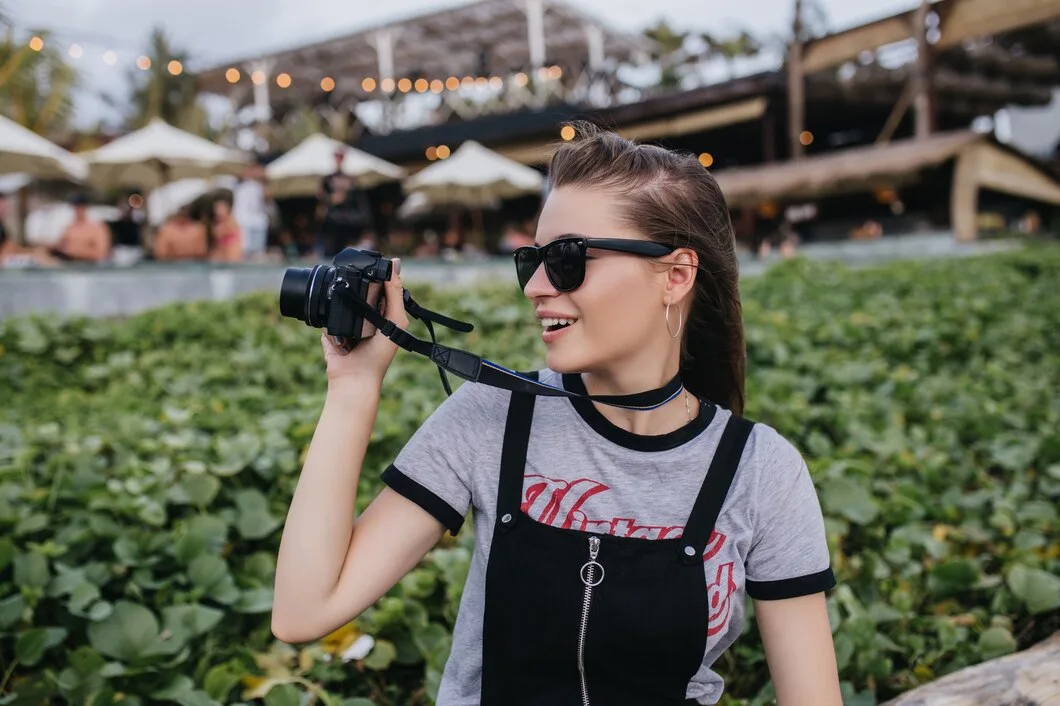
You’re standing at the edge of a breathtaking canyon, the golden hour light painting everything in warm hues, and your hands are busy gripping trekking poles or steadying yourself on a rocky ledge. By the time you fumble for your camera, the moment has passed. This frustration is all too familiar for outdoor enthusiasts who refuse to choose between safety and documentation. Eye glass video cameras have emerged as the seamless answer to this dilemma, embedding high-definition recording technology directly into eyewear you’d already be wearing on the trail. Their popularity among hikers, cyclists, climbers, and travel adventurers has surged in recent years as the technology has matured and image quality has dramatically improved. These wearable devices eliminate the need to stop, unpack, and aim—capturing your perspective naturally as you experience it. In this article, we’ll explore what makes eye glass video cameras uniquely suited for outdoor use, covering their durability in harsh conditions, portability advantages over traditional gear, tips for maximizing image quality in challenging environments, and practical guidance for selecting the right model for your specific adventures.
Understanding Eye Glass Video Cameras and Their Rise in Popularity
Eye glass video cameras are wearable devices that integrate high-definition recording technology directly into functional sunglasses or eyewear frames. A small, nearly invisible lens sits near the temple, capturing video from the wearer’s natural line of sight without requiring any additional mounting hardware or manual operation. What began as a niche gadget primarily used by tech enthusiasts and security professionals has evolved into essential outdoor photography gear embraced by adventurers worldwide. Early models suffered from poor resolution and awkward designs that screamed “spy gadget,” but today’s iterations look indistinguishable from premium sport sunglasses while delivering crisp 1080p or even 4K footage. Compared to traditional portable cameras that demand dedicated hands and attention, or chest-mounted action cameras that capture an unnatural downward angle, eye glass video camera devices record exactly what you see—creating immersive, authentic footage. Unlike GoPros strapped to helmets or selfie sticks that alter your center of gravity, these devices add virtually no bulk to your existing setup. They cater perfectly to outdoor enthusiasts who want unobtrusive, always-ready recording that doesn’t interrupt the flow of their activity or compromise their safety on technical terrain.
Durability and Portability: Core Advantages for Outdoor Adventures
When you’re miles from civilization, every piece of gear must earn its place in your pack—and survive whatever nature throws at it. Eye glass video cameras excel here because they’re engineered from the ground up for punishment. Most premium models use polycarbonate or titanium alloy frames that absorb impacts without cracking, the same materials found in military-grade protective eyewear. As a portable camera solution, they weigh between 40 and 60 grams, adding virtually nothing to what you’d already carry as sun protection. This means cyclists don’t feel extra drag on long rides, and hikers forget they’re even recording during grueling ascents. These HD sunglasses have been tested in desert sandstorms, tropical downpours, and sub-zero mountain conditions without failing. Dust-sealed lens housings prevent particulate infiltration on windy ridgelines, while rubberized grip coatings on the temples keep them secure during high-exertion activities when sweat would send ordinary glasses sliding. For the outdoor enthusiast who already battles weight limits and gear fatigue, replacing a separate camera, mount, and protective case with a single piece of eyewear represents a transformative reduction in complexity.
Key Features Enhancing Durability
The most critical protective features to look for include IPX4 or higher waterproof ratings, which guarantee functionality in sustained rain and splashing water without requiring a separate housing. Shockproof casings rated for drops of up to 1.5 meters protect internal electronics when glasses inevitably get knocked off during scrambling or mountain biking crashes. Scratch-resistant lens coatings—typically oleophobic and hydrophobic layers—maintain optical clarity after repeated exposure to branches, grit, and fingerprints. UV-stabilized plastics prevent frame degradation from prolonged sun exposure at altitude, where ultraviolet intensity increases significantly. Some models also incorporate flexible hinge systems that bend rather than snap under torsional stress, surviving the crushing pressure of being packed tightly in an overstuffed bag.
Mastering Outdoor Photography with Eye Glass Cameras: Practical Solutions
Owning capable outdoor photography gear means little if you don’t know how to coax the best results from it in unpredictable environments. Eye glass video cameras operate differently from handheld devices—you can’t check a viewfinder or adjust framing in real time—so mastering a few techniques before heading out makes the difference between stunning footage and unwatchable clips. The first principle is understanding that your head movements become your camera movements. Smooth, deliberate head pans replace the jerky swiveling most people default to, and training yourself to hold your gaze steady on subjects for at least three seconds gives your footage usable clips during editing. Most modern models include electronic image stabilization that compensates for the natural bounce of walking or pedaling, but this technology works best when you meet it halfway by softening your stride and avoiding sudden head snaps. Wide-angle lenses built into these frames typically capture 90 to 120 degrees of your field of view, meaning you don’t need to turn directly toward a subject to include it in frame—a subtle glance often captures more than you expect.
Optimizing for Bright Sunlight and Action Shots
In harsh midday sun, overexposure washes out skies and landscapes into featureless white. Access your camera’s companion app before your activity to lock exposure compensation one or two stops below automatic, preserving cloud detail and color saturation. Set frame rates to 60fps or higher when you anticipate fast movement—mountain biking descents, trail running, or kayaking rapids all benefit from the smoother playback and the option to create slow-motion highlights later. If your model offers manual white balance, select the daylight preset rather than auto to prevent color shifts when moving between shade and open terrain.
Solutions for Low-Light and Variable Conditions
Dawn hikes and dusk wildlife encounters push small camera sensors to their limits. Switch to the lowest available resolution to allow the sensor to gather more light per pixel, reducing grain significantly. Some models include a dedicated low-light or night mode that drops frame rate to 24fps while extending exposure time per frame—activate this when ambient light falls below comfortable reading levels. In rapidly changing weather where clouds roll across the sun unpredictably, set both exposure and white balance to automatic so the processor can adapt without your intervention, accepting minor inconsistencies in exchange for consistently visible footage throughout shifting conditions.
Choosing the Right Eye Glass Camera for Your Outdoor Needs
Selecting the ideal eye glass camera requires matching specifications to your specific adventures rather than simply chasing the highest numbers on a spec sheet. Resolution matters, but context determines how much—4K HD recording produces stunning travel vlogs and landscape documentation, yet demands substantially more storage and battery power than 1080p, which remains perfectly adequate for casual trail recording and social media sharing. Battery life becomes the decisive factor for all-day expeditions; look for models offering at least 90 minutes of continuous recording or, better yet, those compatible with portable charging cases that extend total capacity across a full day. Storage capacity should align with your recording habits—32GB internal memory fills quickly at 4K, so models accepting microSD expansion or offering wireless upload during breaks provide critical flexibility. Comfort deserves equal weight in your decision, since poorly balanced frames create pressure points during hours of wear; adjustable nose pads and lightweight construction under 50 grams prevent headaches on long outings. For extreme sports like mountain biking or rock climbing, prioritize impact ratings and secure-fit temple designs over maximum resolution. Travel adventurers benefit most from sunglasses with camera variants that look stylish enough for cafés and cultural sites while still capturing spontaneous moments—brands like ohosunshine have developed eyewear lines that balance aesthetic appeal with functional outdoor performance. Consider compatible camera accessories like polarized clip-on lenses or protective carrying cases that enhance versatility without adding significant pack weight. Match the device to your primary activity, and the technology disappears into your routine rather than complicating it.
Real-World Applications and Enhancing the Outdoor Experience
Consider the thru-hiker documenting a six-month Appalachian Trail journey—carrying a traditional camera setup adds weight and requires stopping dozens of times daily, breaking rhythm and extending already demanding days. With eye glass cameras, that same hiker captures sunrise panoramas from exposed ridgelines, wildlife encounters on narrow trails, and the genuine reactions of fellow hikers at shelters, all without removing hands from trekking poles or disrupting pace. Travel vloggers have embraced these devices for exploring crowded markets in Southeast Asia and narrow European alleyways where pulling out a camera attracts unwanted attention or risks theft. One cycling adventurer documented an entire coast-to-coast ride across Iceland, noting that the footage felt more intimate and authentic than anything a mounted action camera produced because viewers experienced the journey through human eyes rather than a fixed mechanical perspective. Rock climbers particularly value the technology during technical pitches where both hands must remain on holds—their footage captures route-finding decisions and exposure in ways that inspire and educate other climbers studying beta videos. These devices integrate so naturally into existing gear loadouts that users consistently report forgetting they’re recording, which paradoxically produces the most compelling and genuine content. The reduction in gear complexity means fewer items to waterproof, fewer batteries to manage, and fewer fragile components vulnerable to trail damage, ultimately letting adventurers focus entirely on the experience itself while knowing every meaningful moment is being preserved.
Why Eye Glass Cameras Are the Future of Hands-Free Adventure Recording
Eye glass video cameras represent a genuine leap forward for outdoor enthusiasts who have long struggled with the impossible choice between living in the moment and preserving it. Their rugged construction withstands the rain, dust, impacts, and temperature extremes that destroy conventional electronics, while their featherweight design eliminates the burden of carrying separate recording equipment. The hands-free operation they provide isn’t merely convenient—it’s a safety feature on technical terrain where fumbling with gear can mean a dangerous fall. By mastering simple techniques like smooth head movements, appropriate exposure settings, and resolution choices matched to lighting conditions, adventurers can produce compelling footage that rivals dedicated camera setups. The key to satisfaction lies in selecting a model aligned with your specific activities rather than defaulting to the most feature-packed option available. As sensor technology continues to shrink and improve, these devices will only become more capable, eventually making the distinction between eyewear and camera irrelevant. For now, they already deliver on their core promise: letting you fully engage with the wild places you love while ensuring that every summit view, wildlife sighting, and shared trail moment is captured exactly as your eyes experienced it. The best camera has always been the one you actually use, and nothing is easier to use than the glasses already on your face.
Under Counter Fridge Ice Makers for Efficient Kitchens
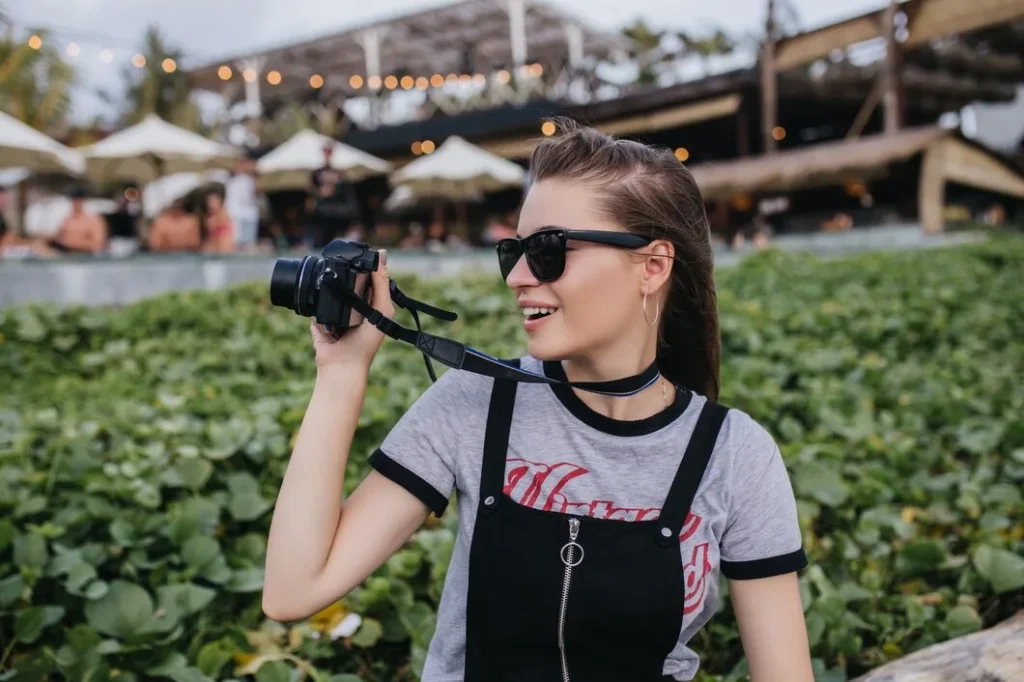
What Makes Eye Glass Video Cameras Ideal for Outdoor Enthusiasts?
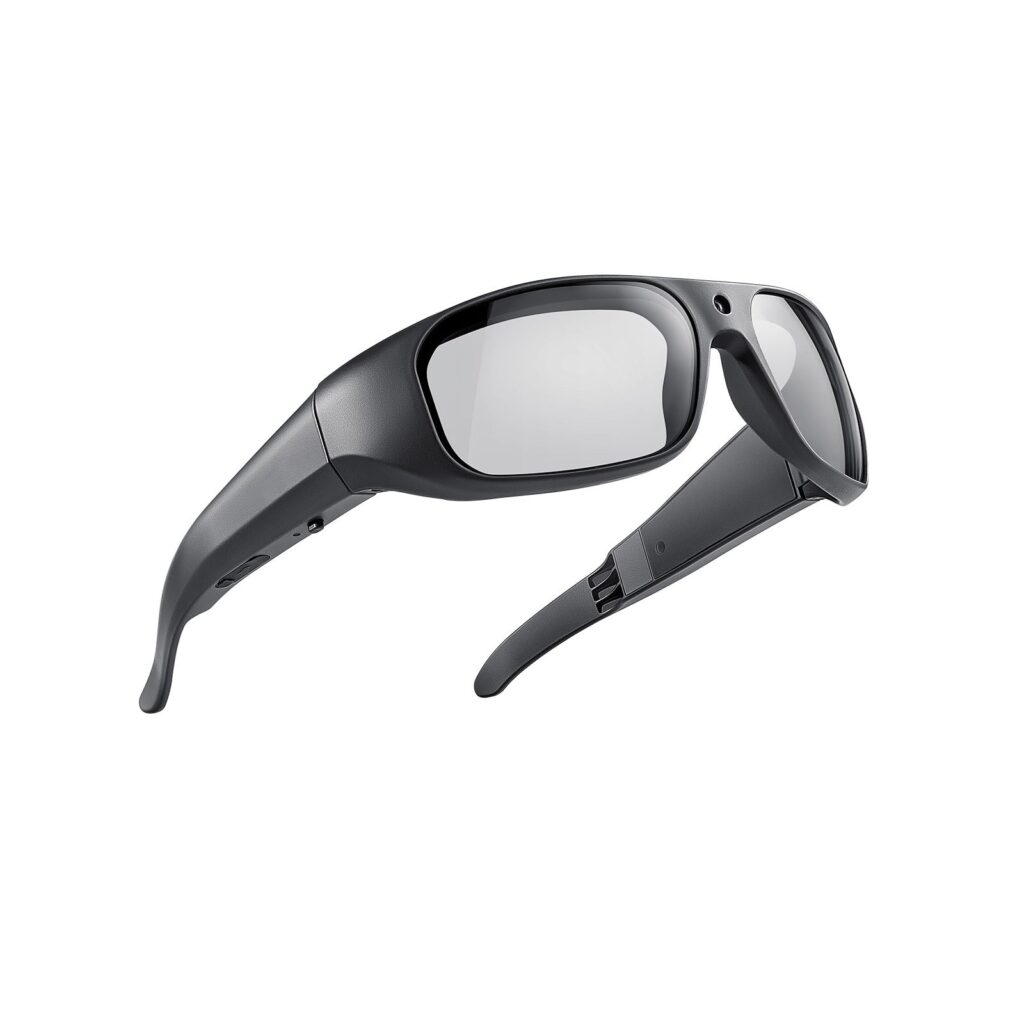
What Makes Eye Glass Video Cameras Ideal for Outdoor Enthusiasts?