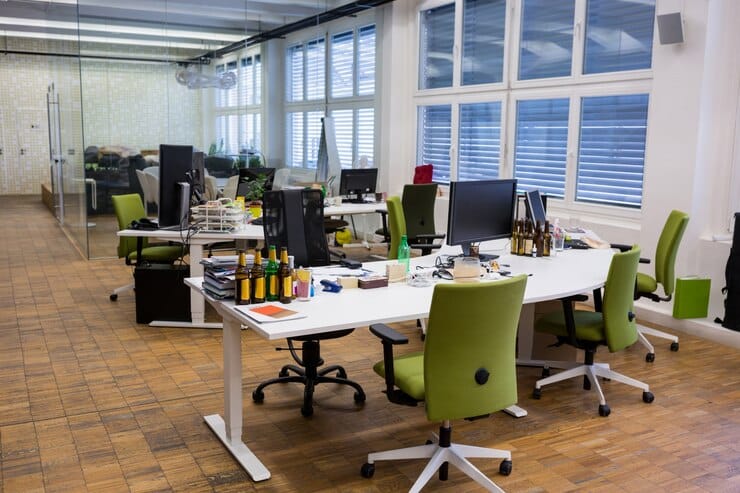
Choosing the right commercial office space for rent is one of the most important decisions a business can make. The right location and amenities can enhance productivity, improve client impressions, and provide room for future growth. However, with so many options available, knowing what to prioritize can make the difference between a space that supports business success and one that becomes a financial burden.
This guide explores the key features businesses should look for when searching for commercial office space, ensuring the right fit for operational needs and long-term goals.
1. Location and Accessibility: The First Step in Selection
The location of an office space influences everything from employee satisfaction to client convenience. When evaluating potential office spaces, businesses should consider:
Proximity to Clients and Business Hubs
Being close to key clients, industry partners, or commercial centers can improve accessibility and networking opportunities. An office in a prime location can also enhance credibility and brand perception.
Commuter-Friendly Access
A well-connected location with access to public transportation, major highways, and ample parking is essential. Employees who struggle with long commutes or limited parking options may find it challenging to maintain work-life balance.
Neighborhood and Surrounding Amenities
Nearby restaurants, coffee shops, and fitness centers add convenience and can improve employee satisfaction. A well-developed area with banks, couriers, and business services can also improve operational efficiency.
2. Office Layout and Space Utilization
Beyond location, the internal layout of a commercial office space for rent plays a critical role in daily operations. The right design should support efficiency, collaboration, and flexibility.
Open vs. Private Workspaces
Businesses need to assess whether they require:
- Open-plan offices that foster collaboration.
- Private offices for executives and confidential meetings.
- A mix of both to balance teamwork and focused work.
Meeting Rooms and Conference Areas
Having dedicated meeting spaces is essential for client presentations, team collaboration, and strategic planning. Consider whether the office includes built-in conference rooms or if shared meeting spaces are available in the building.
Breakout and Lounge Areas
Relaxation spaces contribute to employee well-being and productivity. Well-designed break rooms, lounges, or outdoor seating areas can provide a positive atmosphere and reduce workplace stress.
3. Essential Amenities and Infrastructure
A commercial office space should come equipped with the necessary facilities to support daily operations.
High-Speed Internet and IT Infrastructure
Reliable internet is a non-negotiable feature in modern workplaces. When considering an office, businesses should check:
- Internet speed and connectivity options.
- Availability of fiber-optic networks.
- IT support and networking capabilities.
Heating, Ventilation, and Air Conditioning (HVAC)
A comfortable work environment is crucial for employee productivity. Offices with efficient HVAC systems ensure a consistent and pleasant atmosphere year-round.
Security Features
Protecting business assets and employee safety is a priority. Consider:
- 24/7 security personnel or monitored surveillance systems.
- Secure entry systems with keycards or biometric access.
- On-site management to handle security concerns promptly.
4. Lease Flexibility and Future Growth Potential
A business’s needs may change over time, so securing an office that offers room for expansion or lease flexibility is a smart move.
Short-Term vs. Long-Term Leases
Some businesses prefer shorter leases for flexibility, while others may want long-term agreements to lock in stable rental costs. Understanding lease options ensures businesses can adapt as they grow.
Scalability and Expansion Options
Does the office space allow for team growth? Some commercial office spaces for rent offer adjacent units or flexible layouts that can be reconfigured over time. This can save businesses from relocating when they expand.
Subleasing and Exit Clauses
Reviewing lease terms for subleasing or early termination options is essential. A well-structured agreement provides businesses with backup options if operational needs shift.
5. Parking and Transportation Considerations
Parking and commuting options can significantly impact employee and client convenience.
On-Site Parking Availability
- Dedicated parking spaces for employees and visitors.
- Secure, well-lit parking lots for safety.
- Reserved spots for executives or clients.
Public Transportation Access
For businesses in urban areas, proximity to subway stations, bus stops, or bike lanes can be a deciding factor. Offices near major transit routes can attract a broader talent pool.
6. Compliance with Building Codes and Regulations
Ensuring an office space meets legal and safety requirements is essential before signing a lease.
ADA Compliance and Accessibility
Buildings should be accessible to individuals with disabilities, with features such as:
- Elevators and ramps.
- Wheelchair-friendly entrances.
- Accessible restrooms and workspaces.
Fire and Safety Standards
- Emergency exits and fire suppression systems.
- Well-maintained smoke detectors and sprinklers.
- Clearly marked evacuation plans.
7. Cost Considerations Beyond Rent
While rent is a primary expense, businesses should factor in additional costs when evaluating office space.
Utility and Maintenance Fees
Some leases include utilities, while others require tenants to pay separately for electricity, water, and maintenance. Understanding these costs helps in budgeting effectively.
Furnishing and Setup Costs
Some commercial office spaces come furnished, while others require businesses to invest in desks, chairs, and IT equipment. Factoring in furnishing expenses ensures there are no surprises after moving in.
Hidden Fees and Common Area Maintenance (CAM) Charges
Some buildings charge additional fees for shared spaces like lobbies, elevators, and restrooms. Clarifying these costs in advance prevents unexpected expenses.
8. Negotiating the Lease Agreement
Once an ideal office space is identified, businesses should negotiate lease terms to secure the best deal.
Rent Escalation Clauses
Understanding how rent increases are structured can help businesses anticipate future costs. Some landlords offer fixed increases, while others tie rent hikes to market rates.
Customizations and Improvements
Businesses may require modifications to suit their operational needs. Checking whether landlords allow alterations and who bears the cost ensures smooth customization.
Legal Review and Professional Support
Leasing agreements can be complex. Working with a real estate expert, such as Right Space, ensures businesses fully understand their lease terms and secure favorable conditions.
Conclusion
Finding the right commercial office space for rent involves more than just choosing a convenient location. By evaluating factors such as layout, amenities, lease flexibility, and hidden costs, businesses can make informed decisions that support long-term success.
Right Space Commercial Real Estate provides expert assistance in navigating office leases, ensuring businesses find spaces that align with their growth and operational needs. Whether securing a prime location, negotiating lease terms, or planning for future expansion, selecting the right office space is a strategic investment in a company’s future.

Why Retail Software Testing is Critical for Effective E-commerce Development?

How Sales Teams Increased Productivity with Parallel Dialers

Curtain Dry Cleaning and Leather Sofa Cleaning – Reliable Care by Duo Nini






SEO for ChatGPT: Boost Your Brand in AI Responses

LLM-Native Software Architecture: Designing Products for Agents, Not Just Humans

Bespoke in the South: How Charlotte’s Elite Are Personalizing Their Rolls-Royce

How Condensed Fonts Improve Packaging and Label Design

What to Expect During Your First NDIS Support Visit