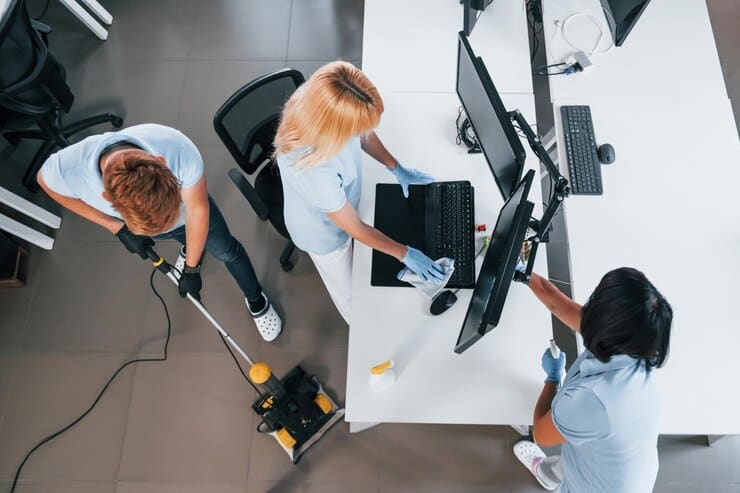
A clean and organized office is more than just visually appealing—it directly affects productivity, employee well-being, and overall business success. While many workplaces prioritize efficiency, cleanliness is often overlooked as a key factor in maintaining a motivated and focused workforce.
From reducing workplace distractions to improving air quality, office cleaning plays a crucial role in shaping a productive work environment. By implementing the right cleaning strategies, businesses can create a space that promotes efficiency, health, and professionalism.
1. The Connection Between Cleanliness and Productivity
A cluttered or dirty office can be distracting, making it harder for employees to focus on their work. Dusty desks, unclean restrooms, and overflowing trash bins contribute to a chaotic atmosphere that reduces efficiency.
How Office Cleanliness Impacts Productivity:
- Minimizes distractions – A tidy workspace helps employees stay focused on tasks.
- Boosts morale – A well-maintained office environment fosters a sense of professionalism.
- Reduces stress – Employees feel more comfortable and motivated in an organized space.
By maintaining cleanliness, businesses create an environment that allows employees to work efficiently without unnecessary interruptions.
2. Establishing a Daily Cleaning Routine
Regular maintenance is essential to keeping an office clean and organized. A structured daily cleaning routine ensures that high-traffic areas remain sanitary and presentable.
Key Tasks for Daily Office Cleaning:
- Wiping down desks and surfaces to remove dust and germs.
- Emptying trash bins to prevent odors and clutter.
- Sanitizing high-touch areas such as door handles, keyboards, and phones.
- Sweeping and vacuuming floors to keep workspaces free of debris.
A consistent routine prevents dirt buildup and maintains a professional office environment.
3. Deep Cleaning: When and Why It’s Necessary
While daily cleaning keeps offices tidy, deep cleaning is required to eliminate hidden contaminants and maintain long-term hygiene.
How Often Should Deep Cleaning Be Scheduled?
- Monthly: Carpet cleaning, dusting of vents, and sanitization of break rooms.
- Quarterly: Window cleaning and upholstery maintenance.
- Annually: HVAC system inspections and deep floor cleaning.
Scheduling deep cleaning services ensures that offices remain fresh and free of accumulated dust, allergens, and bacteria.
4. The Role of Carpet Cleaning in Office Hygiene
Carpets are one of the biggest collectors of dust, dirt, and allergens in an office. Without proper maintenance, they can negatively impact indoor air quality and employee health.
Benefits of Regular Carpet Cleaning:
- Removes dust and allergens that contribute to respiratory issues.
- Eliminates odors caused by spills and foot traffic.
- Extends carpet lifespan, reducing replacement costs.
By incorporating professional carpet cleaning into an office maintenance plan, businesses create a cleaner and healthier work environment.
5. Restroom Maintenance: A Non-Negotiable Office Cleaning Priority
Office restrooms are high-use areas that require consistent attention to prevent germs from spreading.
Essential Restroom Cleaning Practices:
- Stocking soap, paper towels, and hygiene products to ensure employee convenience.
- Disinfecting sinks, toilets, and counters to eliminate bacteria.
- Regular odor control measures to keep restrooms fresh and welcoming.
Clean restrooms contribute to a healthier workplace and improve overall employee satisfaction.
6. Keeping Break Rooms and Kitchens Sanitary
Shared spaces like break rooms and office kitchens are breeding grounds for bacteria if not cleaned regularly.
Best Practices for Maintaining a Clean Kitchen Area:
- Wipe down tables, counters, and appliances after use.
- Dispose of expired food from the refrigerator weekly.
- Sanitize coffee machines, microwaves, and sinks to prevent bacteria buildup.
A well-maintained break area promotes hygiene and ensures a comfortable space for employees to relax.
7. Air Quality and Office Cleaning: A Hidden Productivity Booster
Poor indoor air quality can lead to fatigue, allergies, and reduced focus. Regular office cleaning plays a key role in improving air circulation and reducing airborne pollutants.
How to Improve Indoor Air Quality:
- Dusting air vents and surfaces to prevent particles from circulating.
- Using air purifiers to remove allergens and odors.
- Regularly vacuuming carpets and upholstered furniture to reduce dust buildup.
Clean air enhances concentration and reduces workplace discomfort caused by allergens and poor ventilation.
8. How Janitorial Services Support a Cleaner Office Environment
Managing office cleanliness in-house can be challenging, which is why many businesses rely on professional janitorial services for consistent upkeep.
Advantages of Professional Janitorial Services:
- Custom cleaning schedules tailored to business needs.
- Access to high-quality cleaning equipment and supplies.
- Trained professionals who understand effective sanitation techniques.
Alpine Cleaning Company offers janitorial services designed to maintain workplace cleanliness, allowing businesses to focus on daily operations without worrying about hygiene issues.
9. Encouraging Employee Participation in Office Cleanliness
While professional cleaning services handle major tasks, employees also play a role in maintaining a tidy office.
Ways to Promote a Clean Workplace Culture:
- Encourage desk organization to minimize clutter.
- Provide disinfectant wipes for employees to clean their workstations.
- Set guidelines for kitchen cleanliness to ensure shared spaces remain sanitary.
A collective effort ensures that offices stay clean in between professional cleaning sessions.
10. Customizing an Office Cleaning Plan to Fit Business Needs
Not all offices have the same cleaning requirements. A tailored cleaning plan ensures that businesses receive the most effective services.
Factors to Consider When Developing a Cleaning Plan:
- Business size: Larger offices may require more frequent cleaning services.
- Industry type: Healthcare offices, corporate spaces, and retail stores have different cleaning priorities.
- Foot traffic levels: High-traffic areas need additional attention.
By creating a customized cleaning schedule, businesses maintain a clean and productive work environment without overspending on unnecessary services.
Final Thoughts: A Cleaner Office for a More Efficient Workforce
Office cleaning is an essential part of maintaining a productive, healthy, and professional workplace. From daily maintenance to deep cleaning, structured cleaning strategies prevent distractions, improve air quality, and enhance employee well-being.
By prioritizing cleanliness through janitorial services, customized cleaning plans, and regular carpet cleaning, businesses create an environment where employees can thrive. A well-maintained office isn’t just a reflection of professionalism—it’s a foundation for success.

Why Retail Software Testing is Critical for Effective E-commerce Development?

How Sales Teams Increased Productivity with Parallel Dialers

Curtain Dry Cleaning and Leather Sofa Cleaning – Reliable Care by Duo Nini






SEO for ChatGPT: Boost Your Brand in AI Responses

LLM-Native Software Architecture: Designing Products for Agents, Not Just Humans

Bespoke in the South: How Charlotte’s Elite Are Personalizing Their Rolls-Royce

How Condensed Fonts Improve Packaging and Label Design

What to Expect During Your First NDIS Support Visit