
Magento, a leading ecommerce platform, is celebrated for its flexibility and ability to adapt to the diverse needs of online retailers. A key component of this adaptability lies in Magento extensions – add-ons that enhance and expand the platform’s capabilities. Businesses can choose between pre-built extensions or custom-developed solutions, often working with experienced Magento extension development services providers to tailor functionalities to their unique needs.
Understanding Magento Extensions
What Are Pre-built Magento Extensions?
Pre-built Magento extensions are ready-made modules developed by third-party vendors or Magento itself. These extensions are designed to address common ecommerce challenges, such as SEO optimization, payment gateway integration, and inventory management. Available on the Magento Marketplace and other platforms, pre-built extensions are often quick to deploy and relatively affordable.
What Are Custom Magento Extensions?
Custom Magento extensions are bespoke solutions tailored to meet the unique requirements of a specific business. These extensions are built from scratch or modified extensively from existing frameworks to ensure seamless integration with the store’s architecture. Custom extensions offer unparalleled flexibility but require significant investment in terms of time and resources.
Key Considerations When Choosing Between Custom and Pre-built Extensions
Business Requirements
- Pre-built: Ideal for addressing standard ecommerce challenges of implementing commonly used features.
- Custom: Suited for businesses with unique workflows, industry-specific needs, or innovative features that are not available in the marketplace.
Budget Constraints
- Pre-built: More cost-effective upfront; pricing typically includes a one-time purchase or subscription fee.
- Custom: Higher initial costs due to development, testing, and implementation, but potentially more cost-effective in the long run if they eliminate inefficiencies or offer unmatched functionality.
Implementation Time
- Pre-built: Can be installed and configured within hours or days.
- Custom: Requires weeks or months for development, testing, and deployment.
Scalability and Future-proofing
- Pre-built: May have limitations in scalability and adaptability to future business changes.
- Custom: Designed with scalability in mind, ensuring alignment with long-term business goals.
Advantages of Pre-built Magento Extensions
- Quick Deployment: Pre-built extensions can be installed and operational within a short timeframe, making them ideal for businesses with tight deadlines.
- Cost-Effective: With a lower upfront cost compared to custom solutions, pre-built extensions are accessible for small and medium-sized enterprises (SMEs).
- Wide Range of Options: The Magento Marketplace offers thousands of pre-built extensions, covering a broad spectrum of functionalities.
- Community Support: Popular extensions often come with extensive documentation, community forums, and dedicated support from developers.
- Frequent Updates: Established vendors frequently update their extensions to ensure compatibility with the latest Magento versions and security patches.
Disadvantages of Pre-built Magento Extensions
- Limited Customization: Pre-built extensions may not fully align with specific business needs, requiring workarounds or compromises.
- Compatibility Issues: Using multiple extensions from different vendors can lead to conflicts, affecting the store’s performance and user experience.
- Hidden Costs: While affordable initially, ongoing subscription fees, licensing renewals, or additional support costs can add up over time.
- Dependence on Vendor: Businesses are reliant on the extension developer for updates, bug fixes, and continued support.
Advantages of Custom Magento Extensions
- Tailored to Specific Needs: Custom extensions are designed to meet the exact requirements of your business, ensuring a perfect fit.
- Seamless Integration: Built to align with your store’s existing architecture and workflows, custom extensions minimize compatibility issues.
- Competitive Advantage: Unique functionalities can set your store apart from competitors, enhancing customer experience and operational efficiency.
- Scalability: Custom extensions can be designed to grow with your business, adapting to changing needs and new opportunities.
- Full Control: Businesses retain complete ownership of the extension, eliminating reliance on third-party vendors.
Disadvantages of Custom Magento Extensions
- Higher Initial Costs: Developing a custom extension requires a significant investment of time and money.
- Longer Development Time: Creating a bespoke solution involves extensive planning, design, coding, and testing, delaying implementation.
- Ongoing Maintenance: Custom extensions require regular updates and support to ensure compatibility with new Magento versions and emerging security threats.
- Dependence on Developers: Businesses need skilled developers who understand Magento’s architecture, which can increase long-term dependency.
When to Choose Pre-built Magento Extensions
- Limited Budget: When resources are constrained, pre-built extensions provide a cost-effective way to enhance functionality.
- Common Features: If the required functionality is widely used and readily available, pre-built extensions are the logical choice.
- Time-Sensitive Projects: Businesses needing immediate solutions benefit from the quick deployment of pre-built options.
- Trial and Experimentation: When testing new features or strategies, pre-built extensions offer a low-risk way to experiment before committing to custom solutions.
When to Choose Custom Magento Extensions
- Unique Business Needs: When existing solutions fail to address specific challenges or align with unique workflows.
- Long-Term Vision: If scalability, future-proofing, and adaptability are priorities, custom extensions are a sound investment.
- Competitive Differentiation: Businesses looking to stand out in a crowded market can leverage custom extensions to offer exclusive features.
- Integration Requirements: When seamless integration with existing systems is essential, custom development ensures compatibility and efficiency.
Hybrid Approach: Combining Custom and Pre-built Extensions
Many businesses adopt a hybrid approach, leveraging both pre-built and custom extensions to achieve the best of both worlds. For instance:
- Use pre-built extensions for generic functionalities like SEO, payment gateways, or basic analytics.
- Invest in custom extensions for unique workflows, advanced analytics, or innovative customer engagement features.
This approach allows businesses to optimize costs while addressing specific needs effectively.
Cost Estimation Tools for Custom and Pre-built Magento Extensions
When deciding between custom and pre-built Magento extensions, understanding the cost implications is critical. While pre-built extensions often come with a fixed price, the cost of custom extensions can vary significantly based on requirements, complexity, and development resources.
1. Magento Extension Cost Calculators
Several online tools are designed to estimate the cost of custom Magento development. These calculators typically factor in:
- Scope of Features: Basic vs. advanced functionalities.
- Platform Version: Magento Open Source or Adobe Commerce.
- Integration Needs: Compatibility with third-party systems.
- Development Time: Complexity of coding and testing.
These tools provide a rough estimate, helping businesses assess whether a custom solution aligns with their budget.
2. Vendor-specific Estimates
Many Magento development agencies offer free consultations or estimation services. Businesses can describe their needs, and the agency provides a tailored cost breakdown. This is particularly useful for understanding hidden costs, such as ongoing maintenance or future updates.
3. Cost Analysis of Pre-built Extensions
Pre-built extensions have a more transparent pricing model, but businesses should also account for:
- Subscription Fees: Some extensions require recurring payments.
- Customization Costs: Adapting a pre-built extension to specific needs may incur additional charges.
- Support and Updates: Ensure the price includes updates for compatibility with new Magento versions.
4. Long-term Cost Considerations
To accurately compare costs, it’s essential to evaluate long-term expenses. Custom extensions may have a higher upfront cost but lower recurring fees, while pre-built extensions may seem affordable initially but could involve additional purchases over time for add-ons or upgrades.
Resources like project management software (e.g., Trello, Monday.com) and financial planning tools (e.g., QuickBooks, Zoho Books) can help businesses track costs and allocate budgets effectively for Magento extensions.
Key Factors to Consider Before Making a Decision
- Define Your Goals: Clearly outline what you want to achieve with the extension.
- Assess Compatibility: Ensure the extension (whether pre-built or custom) integrates seamlessly with your Magento version and other tools.
- Evaluate ROI: Consider the long-term benefits and costs associated with each option.
- Research Vendors: For pre-built extensions, choose reputable vendors with positive reviews and robust support systems. For custom extensions, partner with experienced developers or agencies.
- Plan for Maintenance: Factor in the resources required for ongoing updates and support.
Conclusion
Deciding between custom and pre-built Magento extensions is a critical choice that can significantly impact your ecommerce store’s performance and growth. While pre-built extensions offer affordability and quick implementation, custom solutions provide tailored functionalities and scalability. By carefully evaluating your business needs, budget, and long-term goals, you can make an informed decision that aligns with your ecommerce strategy. Whether you opt for pre-built, custom, or a combination of both, leveraging Magento extensions effectively will empower your store to deliver exceptional customer experiences and drive success in the competitive world of online retail.

Team Collaboration: Agile Role Definition: Defining the Data Scientist's specific responsibilities and interaction points within a Scrum or Kanban framework.

What to Look for in an SEO Agency in Dubai (Before You Sign Anything)
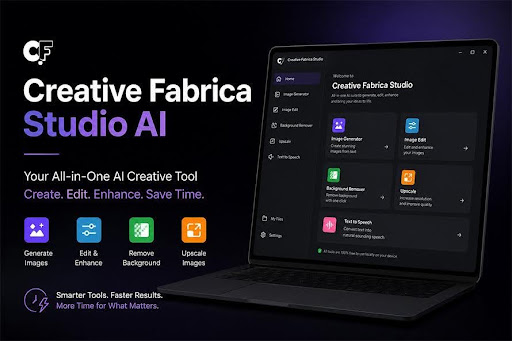
How Creative Fabrica Desktop AI Tool Can Save Time in Your AI Creative Workflow