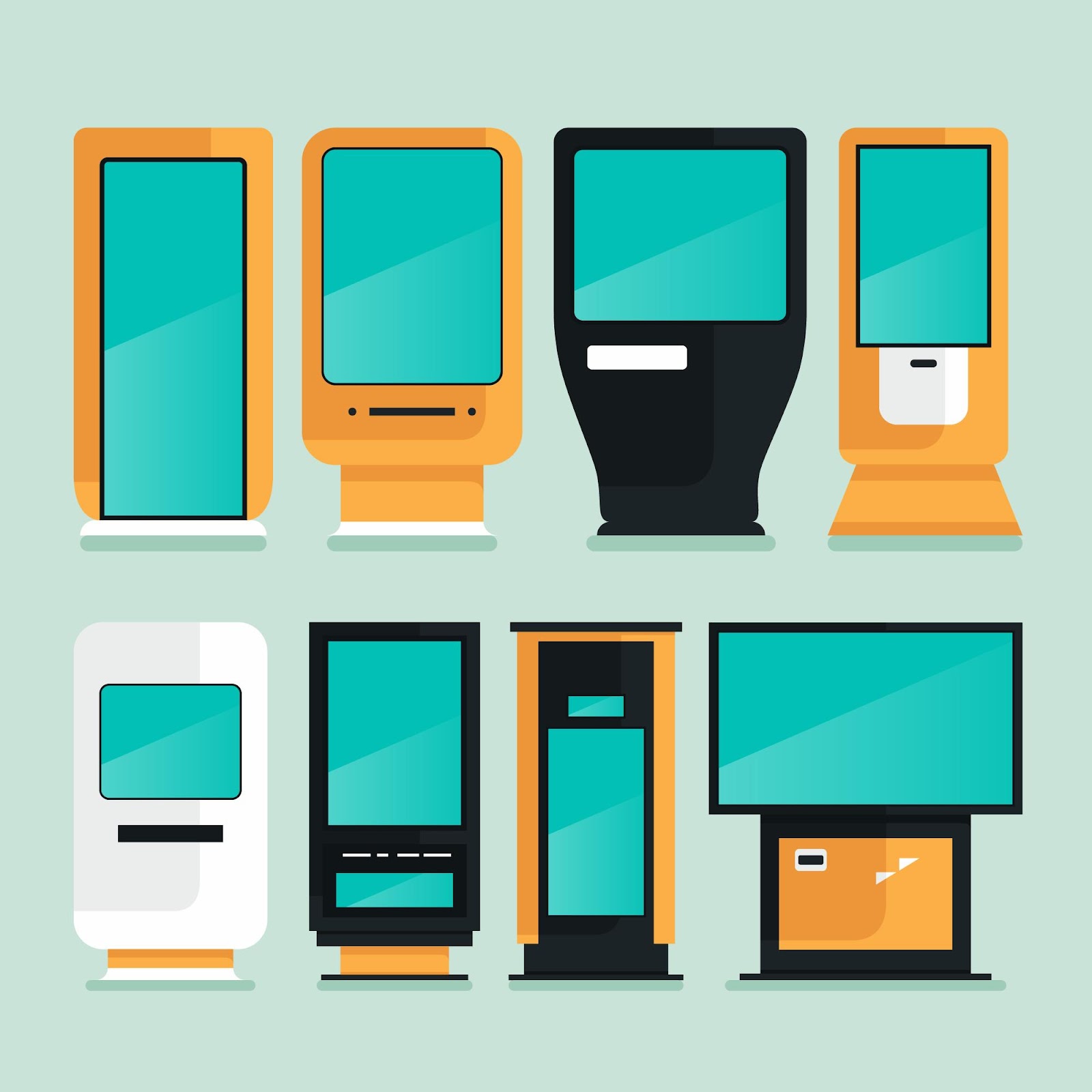
Do you know kiosk screens are more than just displays—they’re the frontline of customer engagement? Whether it’s a self-ordering kiosk in a bustling restaurant, a wayfinding station in a sprawling shopping mall, or a ticketing kiosk streamlining airport check-ins, these screens are the bridge between convenience and efficiency. The right screen doesn’t just display information; it shapes the entire user experience, making every interaction seamless, intuitive, and hassle-free.
However, not every kiosk screen is made equally. The argument between OLED (Organic Light-Emitting Diode) and LCD (Liquid Crystal Display) panels has never been more pertinent as companies embrace digital transformation.
In 2025, which is better for your self-service kiosks? Is the greater visual quality of OLED screens worth the expense, or should you choose the dependability of LCD screens? Let’s dissect it to help you make an informed choice.
Knowing LCD and OLED: How Do They Operate?
Knowing how each technology works is crucial before selecting the ideal kiosk screen.
What is an LCD screen?
An LCD (Liquid Crystal Display) screen uses a backlight to illuminate liquid crystal pixels arranged in a grid. Each pixel is managed by a thin-film transistor (TFT) layer, allowing control over color and brightness.
Advantages of LCD screens:
-
Cost-effective and widely available due to mass production
-
Improved LED backlight technology now offers better color range and contrast than earlier models
-
Excellent brightness, ideal for high-ambient light environments
-
Up to 70,000+ hours of operating life with new-generation displays
Drawbacks of LCD screens:
-
Slightly lower contrast compared to OLED
-
Limited viewing angles in budget LCD panels
-
Slower refresh rates and motion clarity in basic models
What is an OLED screen?
OLED screens emit their own light through organic compounds activated by electrical current, removing the need for backlighting. This results in thinner panels and better control of pixel-level brightness.
Advantages of OLED Screen:
-
True blacks and superior contrast ratios for immersive visual experiences
-
Exceptional color accuracy and wider color gamuts
-
Faster response times and better motion clarity—great for interactive interfaces
-
More energy-efficient in low-light UI designs or dark themes
Cons of OLED Screens:
-
Higher upfront cost, though prices have dropped slightly in 2025
-
Risk of burn-in persists with static elements, though mitigated by software pixel-shifting
-
Lower peak brightness than advanced LCDs—challenging for outdoor visibility
Comparing OLED and LCD Kiosk Screens: Important Considerations for 2025
Durability and user experience are two important considerations when selecting the ideal kiosk screen for your company.
1. Quality of Display and User Experience
In 2025, user experience is directly linked to screen performance. OLED’s unmatched color depth and contrast make it ideal for retail kiosks with digital catalogues, luxury menu boards, or promotional displays.
Meanwhile, new-gen LCDs offer upgraded IPS (In-Plane Switching) technology with improved color accuracy and viewing angles—sufficient for most transactional kiosks like check-ins and ATMs.
2. Sturdiness and longevity
Durability continues to favor LCD in kiosk applications. Recent models feature enhanced anti-glare coatings, extended backlight life, and stronger screen enclosures.
While OLED panels now come with smart display-saving features like “screen shift” and auto-dimming, burn-in remains a concern for kiosks with static UI elements (e.g., logos or fixed buttons).
If your kiosk runs 18–24 hours a day in high-traffic areas, LCD remains the more dependable long-term option.
3. Outdoor Visibility & Brightness
Sunlight readability is still a major factor in 2025.
-
LCD: High-brightness LCDs (up to 2500 nits) are standard for outdoor kiosks. Their brightness, combined with matte finishes and UV-resistant coatings, ensures visibility.
-
OLED: While indoor OLED panels reach up to 1000 nits, outdoor visibility suffers in direct sunlight. Manufacturers are improving this, but LCD still leads in outdoor clarity.
If your kiosk is placed in uncovered or semi-outdoor environments, LCD is the safer bet.
4. Sustainability & Energy Efficiency
Sustainability goals have pushed companies to choose more energy-efficient technologies.
-
OLED: Performs better in dark-themed UIs since black pixels emit no light. Energy consumption is significantly reduced in interactive kiosks with dark backgrounds.
-
LCD: Still uses more energy due to constant backlight, but modern LED backlights have improved efficiency by 10–15% in the past two years.
OLED is preferred for green-certified buildings or brands targeting net-zero operations, especially if kiosk content design supports low-light themes.
5. Business Costs and ROI
In 2025, LCD panels are still about 30–40% cheaper than OLED at similar sizes and resolutions. This cost difference is important for scaling kiosk deployments across multiple locations.
OLED is slowly becoming more affordable, but for high-volume, transactional kiosks, LCD’s lower cost, minimal maintenance, and longer lifecycle continue to offer a better return on investment.
However, OLED screens can enhance perceived value in luxury spaces and influence customer perception—often worth the premium in branding-focused sectors.
What’s the Best Choice for Kiosk Screens in 2025?
The best kiosk screen depends on your business needs and priorities. Here’s a simple breakdown:
🔹 Choose LCD if:
-
Your kiosk operates 24/7 and needs high durability
-
You need high brightness for outdoor self-service kiosks
-
You’re looking for a cost-effective and reliable solution
🔹 Choose OLED if:
-
Your business prioritizes premium visual quality and immersive displays
-
You need thin, energy-efficient screens
-
Your kiosk features dynamic visuals rather than static elements
Final Thoughts:
The decision between LCD and OLED kiosk screens isn’t just about technology—but what aligns best with your business goals, environment, and budget.
-
LCD screens continue to offer the best mix of affordability, durability, and daylight readability—perfect for high-use kiosks in restaurants, airports, retail stores, and healthcare.
-
OLED shines in premium applications, offering a rich, interactive experience for brands that want to impress, engage, and leave a visual impact.
As technology evolves, the gap between LCD and OLED is narrowing—but knowing where and how your kiosk will be used is key.
So, what’s your next move? LCD or OLED—what’s your pick for 2025?

Why Retail Software Testing is Critical for Effective E-commerce Development?

How Sales Teams Increased Productivity with Parallel Dialers

Curtain Dry Cleaning and Leather Sofa Cleaning – Reliable Care by Duo Nini






The Ultimate Guide to Family-Friendly Communities: Planning Your Family Vacation to Destin Florida

How Condensed Fonts Improve Packaging and Label Design

How Condensed Fonts Improve Packaging and Label Design

What to Expect During Your First NDIS Support Visit

Solve SMD Diodes Sourcing with Utsource's Bulk Options