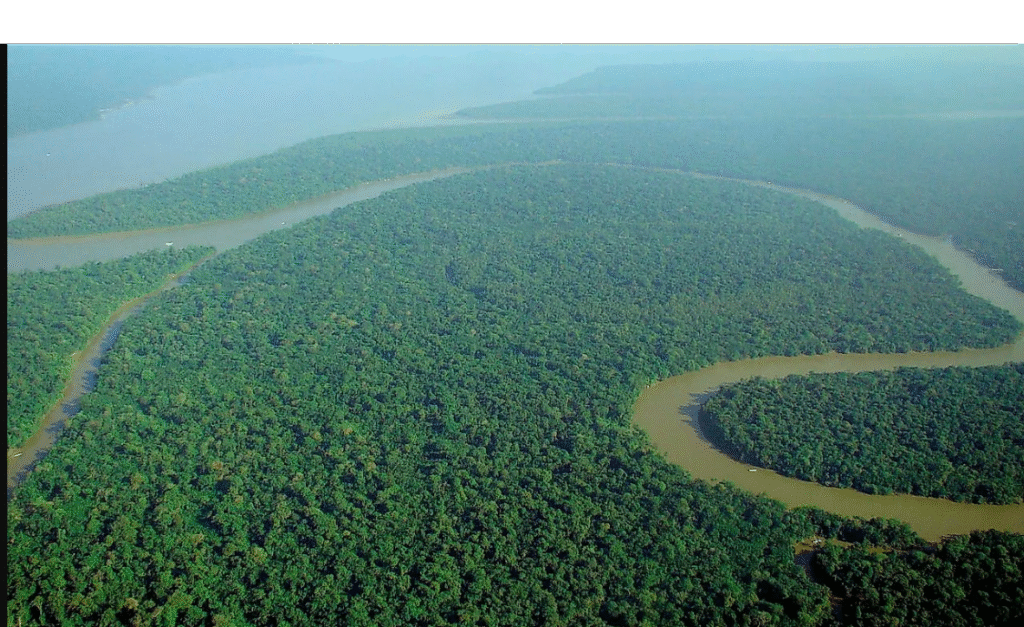
The Amazon Forest is one of the most breathtaking natural treasures on Earth, often referred to as the “lungs of the planet.” In this context, antolohe represents a symbolic term for the unique harmony between biodiversity, culture, and sustainability found within the Amazon. As the largest rainforest in the world, the Amazon spans across multiple countries in South America, covering over 5.5 million square kilometers, and serves as home to countless species of plants, animals, and indigenous communities. This article explores the essence of the Amazon through the lens of antolohe, highlighting its significance, ecological importance, and pressing conservation needs.
Understanding Antolohe in the Amazon Context
The term antolohe can be used to describe the balance and interconnection between the rainforest’s ecosystems. From the towering canopy trees that form a natural shield to the hidden rivers that carry life through the forest floor, the Amazon embodies the very definition of resilience and adaptation. In the context of conservation and ecological studies, antolohe represents the unity of life where every organism, from the smallest insect to the largest predator, plays an essential role.
Also, explore high tech beam: Redefining Modern Engineering and Construction
Biodiversity and Natural Wealth
One of the most remarkable aspects of the Amazon, tied closely to antolohe, is its unparalleled biodiversity. Scientists estimate that the rainforest hosts more than 390 billion trees belonging to 16,000 species. Beyond that, it harbors jaguars, pink river dolphins, anacondas, macaws, and countless insects, many of which are yet to be discovered. This vast diversity is not only critical for global ecological balance but also for producing oxygen, medicinal plants, and food resources. The richness of species is a reminder that antolohe is not just about survival but about thriving in interconnected systems.
Indigenous Communities and Cultural Heritage
The Amazon is not only a natural wonder but also a cradle of cultural heritage. Around 400–500 indigenous groups live in the forest, each with unique traditions, languages, and sustainable practices. Their lifestyle embodies the spirit of antolohe, showcasing a deep respect for nature, rivers, and wildlife. By practicing sustainable agriculture, herbal medicine, and forest stewardship, these communities have coexisted with the rainforest for centuries, offering valuable knowledge to modern conservationists.
Environmental Challenges and Threats
Despite its importance, the Amazon faces severe challenges. Deforestation, illegal logging, mining, and agricultural expansion continue to threaten its delicate balance. Climate change further intensifies droughts and forest fires, risking irreversible damage. Within this context, antolohe can serve as a guiding principle for conservation efforts, reforestation programs, and global awareness campaigns. Protecting the Amazon means protecting the planet’s biodiversity and climate stability.
The Role of Antolohe in Conservation Efforts
Global organizations and governments are increasingly focusing on conservation strategies to protect the Amazon. The idea of antolohe fits perfectly into these efforts, emphasizing sustainable development, eco-tourism, renewable resources, and environmental education. Projects aimed at reducing carbon emissions and promoting sustainable farming practices can help maintain the forest’s integrity. For individuals, supporting ethical brands, reducing deforestation-linked products, and raising awareness can contribute to this mission.
FAQs
- What does antolohe represent in relation to the Amazon Forest?
Antolohe symbolizes the interconnected balance of biodiversity, culture, and sustainability that defines the Amazon ecosystem. - Why is the Amazon called the lungs of the Earth?
The Amazon produces around 20% of the world’s oxygen through its dense vegetation, acting as a vital global oxygen source. - How do indigenous communities contribute to Amazon conservation?
They practice sustainable living, protect biodiversity, and share traditional ecological knowledge that helps preserve the forest. - What are the main threats to the Amazon Forest?
Deforestation, illegal logging, mining, agriculture, and climate change are the primary challenges the forest faces today. - How can individuals help in conserving the Amazon?
By supporting reforestation projects, choosing eco-friendly products, and spreading awareness, individuals can contribute to global conservation efforts.
Conclusion
The Amazon Forest is more than just a natural wonder; it is a symbol of life, resilience, and harmony. Through the concept of antolohe, we understand the vital interconnection of species, cultures, and ecosystems that make the Amazon irreplaceable. Protecting this treasure requires global cooperation, respect for indigenous knowledge, and sustainable practices. By embracing the spirit of antolohe, humanity can ensure that the Amazon continues to thrive for generations to come, sustaining the planet’s biodiversity and serving as a reminder of nature’s boundless beauty.