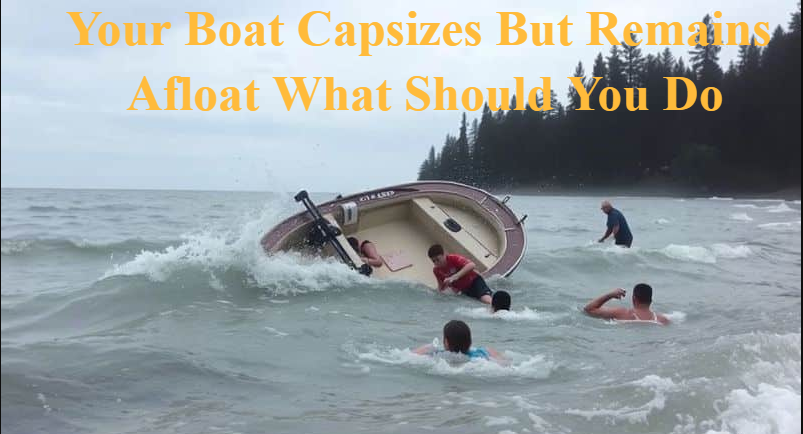
Boating is an enjoyable activity, but it also comes with potential risks—one of the most frightening being a capsized vessel. Understanding your boat capsizes but remains afloat what should you do is crucial for ensuring the safety of everyone on board. Many boats are designed to stay afloat even after capsizing, giving passengers valuable time to act responsibly and wait for rescue. This detailed guide explains step-by-step what actions to take when your boat capsizes but remains afloat what should you do, along with preventive tips and safety advice every boater should know.
Understanding a Capsize Situation
Before exploring your boat capsizes but remains afloat what should you do, it’s essential to understand what a capsize means. A capsize occurs when a boat overturns or tips over, often due to rough weather, uneven weight distribution, sudden movements, or high waves. However, many modern boats are built with flotation chambers or air-filled hulls, allowing them to remain buoyant even when flipped or partially submerged.
In such situations, panicking can make things worse. Knowing what steps to take next can turn a dangerous event into a manageable survival situation.
Your Boat Capsizes But Remains Afloat What Should You Do: Step-by-Step Actions
When facing this scenario, understanding your boat capsizes but remains afloat what should you do helps ensure calm and effective decision-making. Follow these steps carefully:
Also, explore What Is The Value of X Edgenuity: A Complete Guide to Solving Algebra Problems Effectively
1. Stay Calm and Assess the Situation
The first rule when your boat capsizes but remains afloat what should you do is to stay calm. Panic wastes energy and leads to poor judgment. Take a few deep breaths, check your surroundings, and assess the situation before acting.
2. Ensure Everyone Is Safe and Accounted For
Quickly locate all passengers. Make sure everyone is wearing or has access to a life jacket or personal flotation device (PFD). Staying together increases visibility and makes it easier for rescuers to spot you.
3. Stay With the Boat
A key part of knowing your boat capsizes but remains afloat what should you do is staying near or on the boat. The overturned vessel is much easier for rescuers to see than individuals floating alone in open water. Even if the boat is upside down, it can still act as a floating platform to support your weight and prevent exhaustion.
4. Avoid Trying to Swim to Shore
Unless the shore is very close and conditions are calm, do not attempt to swim away from the boat. Remaining with the floating vessel increases your survival chances significantly. Swimming long distances in open water can quickly lead to fatigue and hypothermia.
5. Climb Onto the Hull If Possible
If your boat remains stable upside down or on its side, try to climb onto the exposed part of the hull. This will keep your body out of cold water, helping you conserve body heat and energy. However, if climbing increases the risk of flipping the boat again, stay in the water while holding onto the side.
6. Signal for Help
When your boat capsizes but remains afloat what should you do, your next move is to attract attention. Use visual distress signals, whistles, mirrors, or bright clothing to alert rescuers. If you have access to flares or a marine radio, use them immediately to call for help.
7. Stay Hydrated and Conserve Energy
If you are stranded for an extended period, focus on conserving energy and avoiding unnecessary movements. Dehydration and exhaustion can set in quickly in marine emergencies, so remain as still and calm as possible.
Common Mistakes to Avoid
When considering your boat capsizes but remains afloat what should you do, it’s just as important to understand what not to do:
- Do not abandon the boat unless it is sinking completely.
- Avoid panicking or thrashing in the water.
- Don’t attempt to retrieve gear or belongings that may have fallen overboard.
- Never remove your life jacket, even if the water feels calm.
Avoiding these mistakes greatly improves your safety and rescue chances.
Preventive Measures to Avoid Capsizing
Prevention is the best strategy. To minimize the risk of ever needing to ask your boat capsizes but remains afloat what should you do, follow these essential safety practices:
- Always distribute weight evenly in the boat.
- Avoid standing or making sudden movements.
- Never overload your boat beyond its capacity.
- Check weather conditions before launching.
- Ensure everyone wears a life jacket at all times.
- Keep safety gear—such as radios, flares, and whistles—readily accessible.
Practicing good boating safety habits can prevent capsizing and prepare you to handle emergencies effectively.
Why Staying With the Boat Is the Safest Choice
When determining your boat capsizes but remains afloat what should you do, remember that your vessel acts as a lifeline. It provides:
- Visibility: Easier for rescuers to spot.
- Flotation: Helps conserve energy and prevents drowning.
- Protection: Offers partial shelter from waves and cold water.
Staying connected to your boat dramatically increases the likelihood of a safe rescue.
Conclusion
In conclusion, understanding your boat capsizes but remains afloat what should you do can save your life during a boating emergency. Always stay calm, wear your life jacket, remain with the vessel, and signal for help. Avoid swimming away or panicking, as the boat’s flotation offers your best chance of survival. With proper preparation, awareness, and adherence to boating safety protocols, you can manage such emergencies with confidence and ensure a higher chance of rescue. Remember, safety on the water starts with knowledge and preparedness.
FAQs
- When your boat capsizes but remains afloat what should you do first?
Stay calm, check for passengers, and ensure everyone is wearing a life jacket before taking any further action. - Why should you stay with the boat after capsizing?
Because the boat is easier to spot by rescuers and provides flotation support, increasing your chances of survival. - Is it safe to climb on the overturned boat?
Yes, if the boat is stable and not at risk of flipping again. It helps you stay dry and conserve heat. - Should you swim to shore if your boat capsizes?
No, unless the shore is close and conditions are calm. It’s safer to stay with the boat and await rescue. - How can you prevent your boat from capsizing?
Avoid overloading, balance the weight evenly, check weather forecasts, and follow boating safety rules at all times.