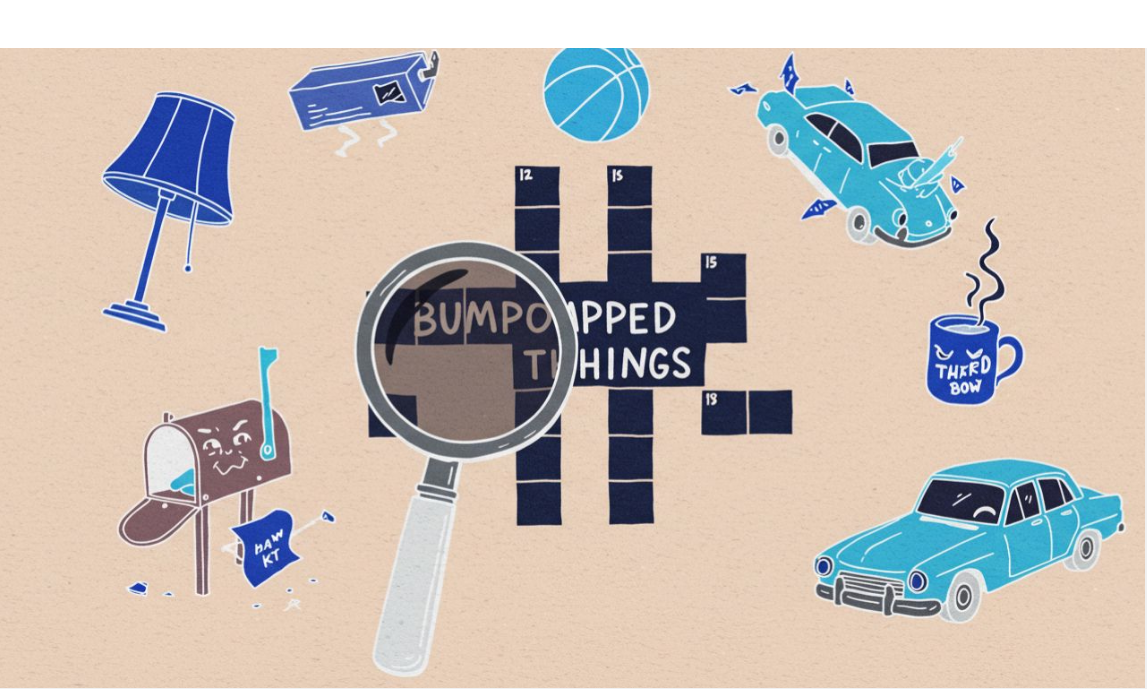
The bumped things NYT crossword clue has appeared several times in The New York Times Crossword, leaving many solvers scratching their heads. Like most clues in the NYT puzzles, this one plays with language in subtle and clever ways. Although the phrase seems straightforward, understanding it requires recognizing both literal and figurative meanings. In this detailed guide, we’ll explore the meaning, common answers, solving strategies, and useful insights about the bumped things NYT crossword, helping you approach this clue with confidence.
Understanding the “Bumped Things NYT Crossword” Clue
When you come across the bumped things NYT crossword clue, it might initially sound like something you physically knock into or collide with. However, in crossword puzzles—especially the New York Times Crossword—words often have multiple interpretations. “Bumped things” could refer to physical objects that are hit, moved, or displaced, but it can also relate to social interactions, travel, or even sports.
For example, “bumped” might hint at something raised, moved, or adjusted in rank. In other puzzles, it might suggest something related to air travel (like bumped passengers), or even traffic incidents. Understanding how the clue fits into the puzzle’s theme is essential to finding the right answer.
Also, explore What Time Was 8 Hours Ago: A Complete Guide to Understanding Time Calculation
Common Answers for “Bumped Things NYT Crossword”
The bumped things NYT crossword clue can have different answers depending on context and the number of letters in the answer. Here are some of the most common solutions seen in various versions of the puzzle:
- EGOS – Often used when the clue implies that someone’s pride or self-esteem was “bumped.”
- HEADS – A literal interpretation, as people often “bump heads.”
- CARS – Refers to minor collisions or “fender benders.”
- PASSENGERS – Refers to travelers “bumped” from a flight.
Each of these answers depends on how the NYT Crossword constructor intended the clue to fit within the puzzle’s overall theme. Because “bumped things” can refer to both tangible and intangible ideas, solvers must think broadly.
How to Solve the “Bumped Things NYT Crossword” Clue
- Check the Number of Letters: Every crossword provides a hint through the word length. If the clue requires four letters, EGOS or CARS might fit. Longer answers could suggest PASSENGERS or FOREHEADS.
- Analyze the Theme: If the puzzle’s theme involves travel, social behavior, or physical motion, use that as a contextual guide.
- Cross-Reference with Other Clues: Use intersecting answers to identify which letters you already know—this narrows down possibilities quickly.
- Look for Figurative Meanings: NYT clues often use metaphorical language. “Bumped things” might not mean literal collisions but could symbolize conflicts or emotional reactions.
- Rely on Past Patterns: The New York Times Crossword often repeats certain answer styles, so remembering previous solutions like EGOS can be helpful.
Why the “Bumped Things NYT Crossword” Clue Is Popular
The bumped things NYT crossword clue is popular because it allows constructors to use clever wordplay and double meanings. It’s the kind of clue that looks simple but requires deeper analysis to solve. Many crossword enthusiasts enjoy this challenge because it tests not just vocabulary but also contextual thinking and linguistic intuition.
Moreover, “bumped” is a versatile verb—it can describe collisions, promotions, adjustments, or displacements. This variety makes it a great word for crossword construction, as it fits multiple interpretations and answer types.
The Role of Wordplay in the NYT Crossword
The New York Times Crossword is known for its elegant use of puns, homonyms, and ambiguous phrasing. Clues like the bumped things NYT crossword are a perfect example of how language can be playful and challenging at the same time. Solvers must go beyond literal meanings and explore every possible interpretation.
FAQs About the “Bumped Things NYT Crossword” Clue
Q1. What does the “bumped things NYT crossword” clue usually mean?
It can refer to both physical and metaphorical things that have been bumped—common answers include EGOS, HEADS, or CARS.
Q2. What is the most common answer for this clue?
The most frequent answer is EGOS, representing pride or self-esteem that has been metaphorically “bumped.”
Q3. How can I tell if the answer is literal or figurative?
Look at the crossword’s theme and surrounding clues. If other clues are metaphorical, your answer likely is too.
Q4. Does this clue appear often in NYT crosswords?
Yes, clues like “bumped things” or similar phrases often appear due to their flexible use of language.
Q5. Where can I find accurate and updated crossword answers?
You can check the official New York Times Crossword website or reliable crossword solver platforms for verified daily solutions.
Conclusion
The bumped things NYT crossword clue demonstrates the brilliance of crossword construction—it’s short, deceptively simple, and open to multiple interpretations. Whether the correct answer turns out to be EGOS, HEADS, or CARS, the process of decoding it challenges solvers to think beyond definitions and embrace the art of wordplay.
Each crossword clue like the bumped things NYT crossword teaches valuable problem-solving skills: reading context carefully, analyzing patterns, and enjoying the creativity of language. So, the next time you encounter it in the New York Times Crossword, remember that the fun lies not only in the answer—but in uncovering all the clever possibilities that lead to it.

Why Choose High-Tech Electric Scooters Over Traditional Options for Commuting?

Recognizing Pet Emergencies: When to Seek Immediate Help from a Veterinarian in Maple Valley, WA

What Are the Benefits of a Ruffled Shower Curtain for Homeowners?