Understanding and deep analysis on Active Cornering Enhancement
Active cornering enhancement is an advanced automotive technology designed to improve vehicle stability, handling, and performance during sharp turns or sudden directional changes. Modern drivers expect both comfort and control, and ACE provides a balanced experience by reducing excessive body roll and enhancing grip. This system is especially valuable in high-performance vehicles, luxury SUVs, and cars engineered for precision handling.
How Active Cornering Enhancement Works
The Technology Behind Active Cornering Enhancement
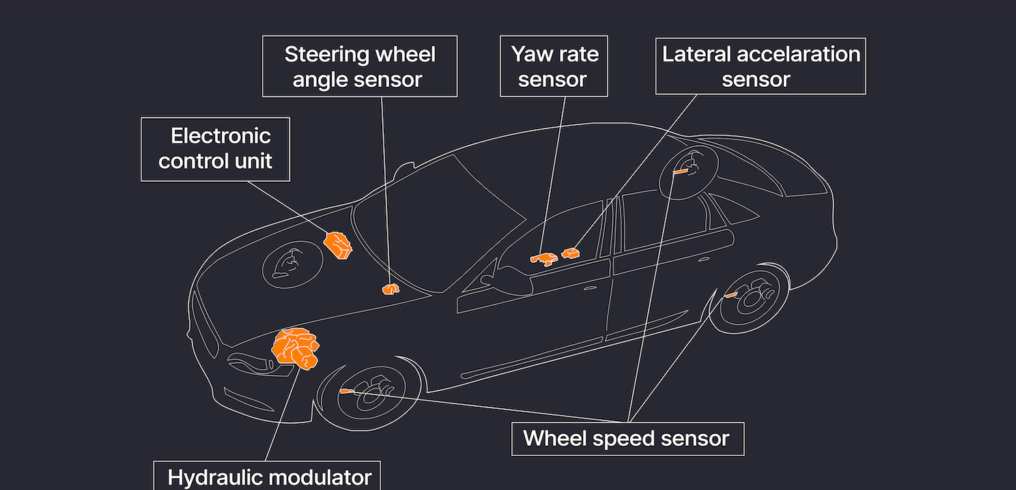
At its core, active cornering enhancement uses electronically controlled hydraulic systems to stabilize the vehicle. Traditional suspension systems rely on passive components that respond after movement occurs. ACE, however, predicts and reacts instantly to changes in driving conditions using sensors that monitor steering angle, wheel speed, lateral acceleration, and body movement.
Once these sensors detect a potential imbalance, the system activates hydraulic actuators positioned within the stabilizer bars. These actuators apply pressure to counter body roll, keeping the vehicle level even during aggressive cornering. This process allows smoother turns, improved traction, and greater driver confidence.
Also, explore Usphonelookup: A Guide to Modern Phone Search Services
Key Components of the System
Modern ACE setups typically include
• Hydraulic actuators for real-time adjustments
• Sensors that track vehicle dynamics
• Electronic control units (ECUs)
• Stabilizer bars engineered for adaptive performance
These components work together seamlessly to deliver an optimized driving experience, especially on winding roads or during high-speed maneuvers.
Benefits of Active Cornering Enhancement
Improved Cornering Stability
One of the most significant benefits of ACE is its ability to maintain vehicle balance during tight turns. By reducing body roll, the system enhances road grip, allowing the tires to maintain maximum surface contact.
Enhanced Driving Comfort
With smoother transitions and reduced cabin movement, passengers experience a more comfortable ride. This is especially beneficial for long-distance travel and family vehicles where comfort is a priority.
Increased Safety
ACE plays a major role in accident prevention by reducing the risk of skidding or rollover in challenging driving scenarios. Systems like this pair well with traction control, anti-lock braking, and other advanced safety technologies.
Better Performance on All Terrains
Whether driving through city curves, mountain routes, or uneven terrain, active cornering systems adapt to the environment. Vehicles equipped with ACE often offer more versatility and improved off-road capabilities, especially in modern SUVs.
Applications of Active Cornering Enhancement in Modern Vehicles
Where the Technology Is Commonly Used
Automakers integrate ACE or similar technologies in:
• Luxury SUVs
• High-end sedans
• Sports cars
• Performance-focused 4x4s
These vehicles benefit greatly from increased stability without sacrificing speed or comfort. Over the years, ACE has evolved to work alongside adaptive suspension, dynamic steering systems, and drive-mode selectors for personalized performance.
FAQs About Active Cornering Enhancement
1.What is active cornering enhancement in cars?
It is a high-tech suspension system that reduces body roll and improves stability during turns using hydraulic actuators and electronic controls.
2.How does active cornering enhancement improve safety?
It helps maintain balance and traction during sudden turns, preventing skidding and improving overall vehicle stability.
3.Is active cornering enhancement available in all cars?
No. It is mostly found in luxury, performance, and specialized SUV models due to its complexity and cost.
4.Does ACE require special maintenance?
While durable, the hydraulic and sensor components may require periodic inspection as part of routine vehicle servicing.
5.Can ACE improve off-road performance?
Yes. By balancing the vehicle on uneven terrain, it enhances grip and stability during off-road driving.
Conclusion
In today’s automotive industry, active cornering enhancement plays a crucial role in boosting vehicle stability, safety, and comfort. As driving demands evolve, technologies like ACE continue to redefine what modern vehicles can achieve. With improved control, reduced body roll, and seamless handling, this system remains a valuable innovation for drivers who prioritize performance, precision, and safety.
Why Charlotte is a Growing Market for Rolls-Royce Luxury Vehicles

How Do I Clear My iPhone Before Selling?

Looking to Buy a New Sports Bike with Low-Interest Rate Two-wheeler Loans