Introduction
The world today is facing unprecedented levels of waste generation. Population growth, increased consumer demand and rapid industrialization have all contributed to a surge in waste production.As societies evolve, the way waste is created, handled and disposed of has also changed dramatically. What was once a simple process of collecting and dumping has now transformed into a highly structured system influenced by environmental concerns, technological advancements and sustainability goals. To cope with the massive amount of waste produced daily, communities require efficient, innovative and environmentally conscious waste management solutions. Central among these solutions is a dependable garbage collection service, which ensures that waste is properly gathered and removed from living spaces.
The Importance of Efficient Waste Management
Waste management is essential for maintaining clean surroundings, protecting public health and preserving natural environments. When waste is not handled properly, it can cause a multitude of problems: contaminated soil, polluted water sources, unpleasant odors and even dangerous health hazards. Poor waste disposal contributes to the spread of diseases, attracts pests and creates unsightly environments that affect overall quality of life.
Effective waste management also reduces the burden on landfills. With landfills filling up at alarming rates, there is a growing need for better recycling, composting and waste reduction practices. The more waste society can divert from landfills, the greater the positive impact on the environment.
The Changing Nature of Waste in Modern Society
Today’s waste is far more complex than it was in the past. The increase in packaged goods, fast-moving consumer products and disposable items has led to a dramatically different waste stream. Plastic waste, electronic waste, toxic materials and synthetic products require special handling to prevent environmental harm. Traditional waste practices are not enough to manage these materials responsibly, which is why modern waste solutions must adapt and evolve.
This evolution includes promoting sustainable habits, redesigning products for recyclability and adopting new technologies that improve the efficiency of waste handling. It also involves changing public attitudes and encouraging people to adopt environmentally friendly practices that reduce waste production in the first place.
Role of Public Awareness in Waste Reduction
Public education plays a major role in developing a clean and sustainable society. Many environmental problems arise because people do not understand how to dispose of waste properly. Confusion about recycling, improper disposal of hazardous waste and lack of awareness about compostable materials all contribute to inefficiencies within the waste system.
Encouraging citizens to segregate waste at home is one of the most effective strategies for improving recycling rates. When households separate recyclables, organic waste and general waste, the entire waste cycle becomes smoother and more efficient. Educational campaigns, community programs and digital awareness efforts can help people understand the value of proper waste segregation.
Technological Advancements in Waste Collection
Innovation is transforming the waste industry. Smart bins, GPS-enabled collection vehicles, automated sorting systems and advanced recycling technologies have significantly improved the efficiency of modern waste management. These technologies reduce human error, lower operational costs and minimize the environmental impact of waste handling.
For example, sensor-based bins can detect when they are full and notify collection teams, ensuring timely pickups and reducing unnecessary collection rounds. Modern collection fleets use route optimization software to cut down on fuel consumption and carbon emissions. Advanced recycling facilities use artificial intelligence to sort materials with greater accuracy, increasing recovery rates for valuable resources.
The Core Importance of Reliable Waste Collection Services
At the foundation of every successful waste management system is a reliable garbage collection service. Without proper collection, waste would accumulate in residential areas, public spaces and commercial establishments, creating hygiene issues and environmental hazards. Regular collection prevents waste buildup, reduces pest infestations and ensures that recyclable materials reach processing facilities on time.
In addition, consistent waste collection keeps neighborhoods clean, enhances public comfort and promotes a healthier environment. For businesses, timely waste removal is essential in maintaining a professional appearance, preventing health code violations and ensuring compliance with environmental regulations.
Impact of Commercial Waste on the Environment
Commercial spaces generate large quantities of waste. Restaurants produce food scraps, grocery outlets dispose of packaging materials, offices generate paper waste and industries deal with a wide range of materials. If not managed properly, commercial waste can contribute to pollution, unpleasant odors and increased landfill volumes.
Businesses must work closely with waste service providers to create customized waste strategies that address their specific needs. This may include scheduled pickups, recycling programs, waste audits and sustainability initiatives. With the right systems in place, businesses can reduce waste disposal costs, improve efficiency and support environmental goals.
Sustainability Through Recycling and Resource Recovery
Recycling is a key component of a sustainable waste system. It reduces the need for new raw materials, conserves energy and decreases greenhouse gas emissions. Whether it is paper, plastic, glass or metal, recycling gives materials a second life and helps minimize environmental impact.
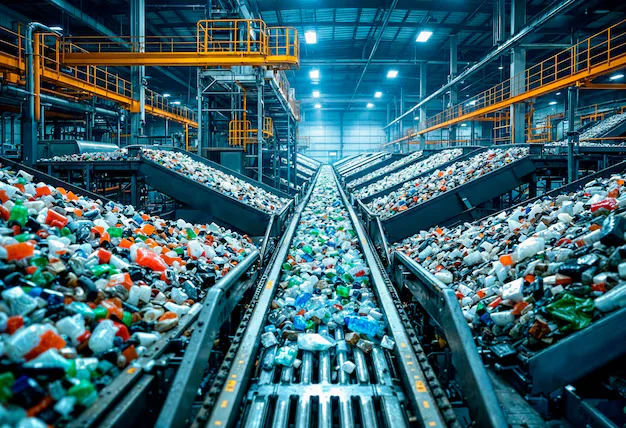
Resource recovery centers play an important role in recycling. These facilities process large amounts of waste and separate recyclables from general waste using advanced machinery. Recovered materials are then sent to factories where they are turned into new products. This process supports a circular economy, where waste becomes a resource rather than a burden.
The Role of Composting in Waste Management
Organic waste makes up a significant portion of household and commercial garbage. Instead of sending these materials to landfills, composting turns them into nutrient-rich soil that benefits agriculture, gardening and landscaping. Composting not only reduces landfill waste but also improves soil health and decreases the need for chemical fertilizers.
Communities can adopt composting initiatives at both household and municipal levels. Many urban areas now offer community composting sites or provide compost bins to residents. When organic waste is processed correctly, it becomes a valuable resource that supports sustainable agriculture and reduces overall waste volumes.
Government Policies and Environmental Regulations
Governments play a critical role in shaping waste management strategies. Policies such as recycling mandates, bans on harmful materials, penalties for illegal dumping and incentives for green industries all contribute to building a more sustainable waste system. Regulatory frameworks ensure that waste is handled in ways that protect the environment, promote public health and encourage responsible waste behaviors.
Environmental laws also set standards for waste handling companies, ensuring that they follow safe practices and meet sustainability guidelines. Government-led awareness campaigns further encourage the public to participate actively in waste reduction initiatives.
Community Engagement and Environmental Responsibility
Communities are the backbone of every successful waste-management initiative. When individuals take responsibility for their waste, the entire waste system improves. Community clean-ups, recycling drives, educational workshops and environmental awareness events encourage active participation and build stronger, cleaner neighborhoods.
Environmental responsibility is not limited to policymakers or waste service providers—every individual has a role to play. Simple actions such as reducing single-use plastics, reusing items, recycling materials and supporting eco-friendly products contribute significantly to the sustainability movement.
The Rise of the Circular Economy
The circular economy shifts the traditional linear model of “use and discard” into one that promotes reuse, regeneration and long-term sustainability. By designing products that can be repaired, recycled or repurposed, industries reduce the amount of waste they generate. This approach not only benefits the environment but also supports innovation, cost savings and resource efficiency.
In a circular system, waste becomes a valuable asset. Materials are kept in use for as long as possible, minimizing the extraction of new resources and reducing the strain on natural ecosystems.
Economic Benefits of Modern Waste Management
Effective waste management provides numerous economic advantages. The recycling industry generates employment opportunities in collection, processing and manufacturing. Waste-to-energy plants create power from materials that cannot be recycled. Composting facilities supply nutrient-rich soil that supports agriculture.
Moreover, proper waste management reduces public spending on cleanup operations, pest control and environmental restoration. When waste is handled efficiently from the start, fewer resources are needed to address the consequences of improper disposal.
Enhancing Quality of Life Through Clean Environments
Clean surroundings greatly improve quality of life. Well-maintained neighborhoods promote mental well-being, social interaction and outdoor activities. People feel safer and more comfortable in environments that are free of litter and waste. Clean public spaces also encourage tourism, support local businesses and enhance community pride.
Properly managed waste systems contribute to these benefits by ensuring that garbage is disposed of responsibly and regularly. A strong garbage collection service forms the foundation of this clean and organized environment.
Challenges in Today’s Waste Management Systems
Despite advancements, several challenges persist in the waste sector. Limited public awareness, lack of infrastructure, insufficient funding and rapid urban population growth can hinder effective waste management. Illegal dumping and littering remain ongoing issues in many areas.
Addressing these challenges requires collaboration among government leaders, waste companies, community members and environmental organizations. With joint efforts, societies can create stronger systems that meet the needs of both people and the planet.
The Path Toward a Sustainable Future
The future of waste management depends on continued innovation, public participation and sustainable practices. As new technologies emerge and environmental awareness grows, society has the tools to manage waste more responsibly than ever before. The ultimate goal is to reduce waste generation, recover valuable materials and protect the environment for future generations.
Conclusion
Modern waste management is essential for building cleaner, healthier and environmentally responsible communities. With advanced technology, improved public awareness and strong government policies, waste handling systems are evolving rapidly.A dependable garbage collection service remains central to these efforts, ensuring that waste is collected, transported and processed safely and efficiently. By embracing sustainability at every level from households to industries society can create a future where waste is minimized, resources are preserved and the environment thrives.

Why Retail Software Testing is Critical for Effective E-commerce Development?

How Sales Teams Increased Productivity with Parallel Dialers

Curtain Dry Cleaning and Leather Sofa Cleaning – Reliable Care by Duo Nini






The Complete Guide to Growing on Twitch: Should You Buy Twitch Followers?

How Technology Is Changing Addiction Recovery in the Digital Age.

What to Expect During Your First NDIS Support Visit

Solve SMD Diodes Sourcing with Utsource's Bulk Options

555 Meaning: Spiritual, Biblical, Love & Prophetic Significance Explained