The term gñory has emerged in digital culture as an intriguing and unique concept that blends creativity, identity, and expression in modern contexts. While it doesn’t yet appear in standard dictionaries, gñory has gained attention through online communities, art circles, and cultural discussions where it represents ideas of originality, innovation, and distinct expression. The unusual letter “ñ” gives gñory a visual and phonetic flair that adds richness and personality to its interpretation.
In an era dominated by digital creativity and cultural mixing, gñory stands out as a distinctive symbol that resonates with people seeking new ways to express identity, artistry, and authentic digital presence. Its adoption across art, fashion, marketing, and social media reflects a growing trend toward embracing originality and creative nuance.
Also, explore MySDMC SSO: Complete Guide to the Manatee County Single Sign-On System
Origins and Evolution of gñory
Historical and Linguistic Roots
Although gñory is a modern coined term, its structure suggests meaningful influences. The inclusion of the diacritical “ñ” evokes cultural complexity and ties to languages such as Spanish, where ñ carries specific sound and identity significance. Many online commentators describe gñory as a fusion between classic language roots and creative invention, balancing familiar phonetics with fresh innovation.
The word appears to have surfaced through internet subcultures, artistic circles, and creative forums, where users experimented with linguistic play and expressive branding. Over time, it has been adopted in a variety of contexts—from digital art movements to identity discussions—to represent a blend of meaning, style, and creative value.
Cultural Adoption and Online Growth
With the rapid spread of cultural ideas online, gñory has been embraced by communities on platforms such as TikTok, Reddit, and Instagram. In these spaces, gñory is not limited to a single definition; rather, it is used as a creative label, a style marker, or a symbol of expressive identity. Its versatility has contributed to its presence in digital art, branding, and even social dialogue about originality and self‑expression.
How gñory Influences Creative Fields
Digital Art and Design
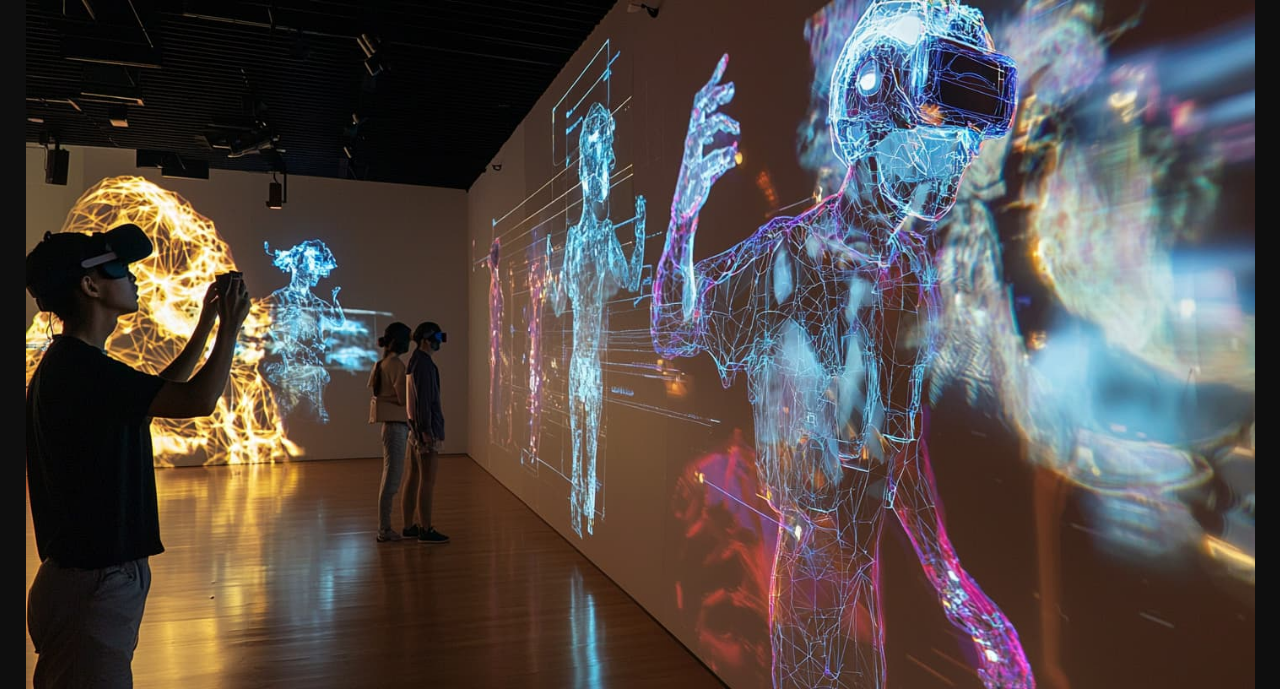
In contemporary digital art, gñory has been used to describe works that blend chaos, beauty, and unexpected aesthetics. Artists may incorporate glitch effects, experimental visuals, or unusual compositions that challenge traditional norms—reflecting the idea that creativity can be both unique and emotionally engaging.
This application of gñory encourages creators to break free from predictable patterns and produce content that carries individual interpretation rather than strict conventions. This gives rise to art that feels personal, experimental, and deeply expressive.
Fashion and Personal Style
The concept of gñory also extends into fashion where designers and individuals adopt styles that reject bland uniformity. Gñory‑inspired fashion often features bold combinations, imperfect textures, and mixed influences that reflect a deeper sense of identity and aesthetic freedom. This cultural adoption underlines the principle that personal expression can be both original and emotionally rich.
Branding and Marketing
In marketing, some brands have begun to use gñory as a strategic concept for developing unique narratives and visuals that feel authentic rather than generic. Rather than following common branding formulas, gñory‑infused campaigns emphasize human connection, creative storytelling, and visual innovation that captures audience interest through original voice and style.
This approach aligns with modern trends in digital engagement where authenticity and real expression are valued over sterile or overly polished messaging.
Broader Cultural Significance
Expression and Identity
At its core, gñory is about meaningful expression. It reflects how individuals and communities choose to represent themselves in a digital world where language, art, and identity constantly evolve. The term resonates with people who value originality, emotion, and distinct cultural identity.
It also highlights how language and symbols can be reshaped to carry new cultural weight, especially when traditional vocabulary feels limited or insufficient to describe evolving digital experiences.
Community and Subculture
Gñory thrives in creative communities where experimentation is celebrated. These spaces value artistic risk, innovative visuals, and inclusive expression. The concept reinforces that culture and ideas are co‑created, fluid, and shaped by active engagement rather than passive consumption.
FAQs
1. What does the term gñory actually mean?
G-ñory does not have a single dictionary definition. It is understood as a creative concept representing uniqueness, authenticity, and expressive originality in cultural and digital contexts.
2. Where did gñory come from?
G-ñory emerged through online communities and creative spaces. The use of the “ñ” gives it a distinctive flair, contributing to its cultural appeal and symbolic depth.
3. How is gñory used in art and design?
Artists use g-ñory to describe works that emphasize raw expression, experimental aesthetics, and nontraditional styles, often blending visual imagination with emotion.
4. Can g-ñory be used in branding?
Yes. Some brands adopt g-ñory‑inspired strategies to communicate authentic identity, creative storytelling, and differentiated voice in marketing.
5. Is g-ñory a trend or a lasting concept?
While still evolving, many cultural observers believe g-ñory reflects deeper shifts in how people express identity and creativity online, suggesting it could remain relevant beyond a passing digital trend.
Conclusion
In conclusion, g-ñory is a distinctive cultural concept that celebrates originality, creativity, and expressive identity across digital art, fashion, branding, and community engagement. It combines visual flair, linguistic uniqueness, and creative mindset to represent a modern form of self‑expression that goes beyond traditional language barriers. As digital culture grows more interconnected and imaginative, g-ñory continues to stand out as a symbol of authentic engagement and innovative interpretation.
Redepseek: Unlocking the Power of Digital Solutions

The Ultimate Guide to MyHaiku: Exploring Haiku in the Digital Age