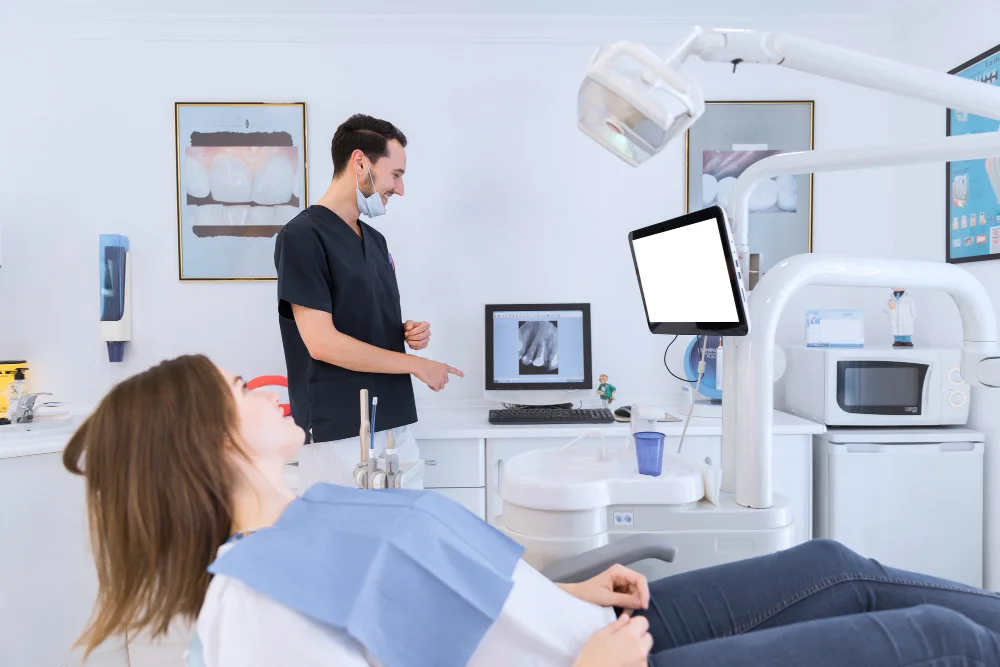
Education shapes how your family cares for teeth and gums every day. You cannot prevent every problem, but you can lower risk when you understand what is happening in your mouth. Many families only react when there is pain. By then, damage is often deep and treatment is hard on your body and your budget. Instead, you can use clear, simple lessons to guide daily choices. You can learn when to brush, what to eat, and how to spot early warning signs. You also learn what questions to ask your dentist in Joliet, IL. Regular checkups then become a shared effort, not a rushed visit. This blog explains how strong education supports your family’s dental wellness program, so you feel prepared, not scared, when it is time to sit in the chair.
Why Dental Education Matters For Every Age
Dental problems build step by step. A small soft spot in a child’s tooth can turn into deep decay if you miss the signs. Education helps you see those steps and stop trouble early.
You learn to:
- Start good habits in early childhood
- Adjust routines for teens with busy days
- Protect adult teeth from gum disease and wear
The Centers for Disease Control and Prevention explains that tooth decay is one of the most common chronic problems in children. You can see clear facts at the CDC oral health page here https://www.cdc.gov/oralhealth/conditions/index.html.
Core Skills Every Family Needs To Learn
You do not need medical training. You do need a short list of clear skills. When each person in your home learns these skills, your dental wellness program becomes real, not just words on paper.
1. Daily Cleaning Habits
Teach each person to:
- Brush teeth two times each day for two minutes
- Use a pea sized amount of fluoride toothpaste for adults and older children
- Help young children brush until they can tie their shoes
- Floss once a day to clean between teeth
You can also show children how to angle the brush toward the gum line. You can use a simple song or timer to keep two full minutes.
2. Food And Drink Choices
Food teaching is often hard. Sugar hides in snacks and drinks. You can keep it simple. Help your family follow three rules.
- Keep sugary drinks as rare treats
- Offer water and milk most of the time
- Plan snack times instead of steady grazing
The United States Department of Agriculture has clear tips on healthy eating patterns. You can read those tips at https://www.myplate.gov/eat-healthy/what-is-myplate.
3. Spotting Early Warning Signs
You also need to know when to call for help. Teach your family to watch for:
- Bleeding when brushing or flossing
- Bad breath that does not go away after brushing
- Sensitivity to cold or sweet foods
- White or brown spots on teeth
When you see these signs, you can schedule a visit before pain starts. That choice often means simpler care and less cost.
Comparing Dental Knowledge And Health Outcomes
Education changes behavior. Behavior changes health. The link is direct. The table below shows a simple comparison between families with strong dental knowledge and families with poor knowledge.
| Family Dental Knowledge Level | Common Habits | Typical Checkup Findings | Long Term Impact
|
|---|---|---|---|
| High | Brush two times per day. Floss daily. Limit sugary drinks. | Few small cavities. Mild plaque. Healthy gums. | Lower treatment costs. Fewer emergencies. More comfort. |
| Moderate | Brush once or two times per day. Rare flossing. Frequent snacks. | More cavities. Early gum irritation. Occasional tooth pain. | Higher costs. More missed school or work. Growing fear of the dentist. |
| Low | Irregular brushing. No flossing. Sugary drinks daily. | Many cavities. Gum disease. Possible tooth loss. | High costs. Frequent emergencies. Trouble eating and sleeping. |
This comparison is simple. It shows one hard truth. When you learn more, you hurt less.
How To Teach Dental Skills At Home
You can build your own family wellness program with three steps.
Step 1. Set Clear House Rules
Write down short rules and place them where everyone can see them. For example:
- Brush after breakfast and before bed
- No juice or soda after dinner
- Floss every night
You can review these rules once a week. You can also praise children when they follow them. That praise builds trust and a sense of safety.
Step 2. Use Simple Tools
You do not need special gadgets. You can use:
- Soft toothbrushes that fit each person’s mouth
- Fluoride toothpaste
- Floss picks for children who find string floss hard
- Small mirrors to let children see their teeth
You can turn brushing time into a short shared routine. You stand at the sink with your child and brush at the same time. That shared act shows that you follow the same rules.
Step 3. Talk During And After Dental Visits
Every visit is a teaching chance. Before the appointment, you can ask each family member if they have questions. You can write those questions down. During the visit, you can ask the dentist or hygienist to show brushing or flossing on a model. After the visit, you can review what you learned at home and add new tips to your house rules.
Working With Your Dental Team As Partners
Your dental team has seen many mouths and many family situations. You can use that experience. You can say where your family struggles. Maybe your teen drinks soda at school. Maybe your toddler chews on the toothbrush but does not scrub. When you share these details, your team can give simple advice that fits your life.
You can ask your dental team to:
- Show age specific brushing methods
- Suggest low sugar snack ideas
- Explain x ray results in plain words
- Help set a recall schedule that you can keep
Education works best when it is steady. Each visit adds one more piece. Over time, your family builds strong habits that feel natural.
Turning Knowledge Into Lasting Protection
You want your family to eat, speak, and smile without fear. Education is the tool that gets you there. You learn the reasons behind each small step. You see how brushing, food choices, and checkups fit together. You stop feeling lost and start feeling in control.
You can start today. Pick one new rule. Teach one new skill. Ask one new question at the next visit. Those small choices, repeated, protect your family’s mouths and your peace of mind.
Why Routine Checkups Are A Critical Part Of General Dentistry

5 Key Benefits of Choosing a Holistic Mental Health Treatment Center for Teens
5 Questions To Ask About Cosmetic Dentistry At A Family Dental Office