
Water quality is one of the things Indian households are learning to take seriously. Not just “clean water.” But water that is actually safe to drink.
The problem? Water doesn’t stay the same. It changes. Your tap water today isn’t the same as your tap water last month.
- The contaminants shift.
- The levels of the minerals vary.
- The source varies by season.
And that is why a new type of water purifier is making a soft entry in Indian homes: an adaptive water purifier. Not the old-fashioned RO that belongs to your grandma and runs the same type of filtration day after day. But a purifier that learns and adapts itself to what your water requires.
Let’s break down what this means and why it matters.
Water Quality Isn’t The Same Everywhere
Here’s the thing: water in Delhi isn’t the same as water in Mumbai. Water from your borewell isn’t the same as water from the municipal supply. And water in summer isn’t the same as water in monsoon which is exactly why choosing the right water purifier matters.
Think about the headaches:
- RO filters that take away all the minerals, leaving you with flat water without any flavour.
- Hard water stains, despite numerous cleanings, still come and are hard to remove.
- Sediment that clogs filters faster than expected
- Seasonal water quality shifts that catch you off guard
So it is not only about filtering water. It’s about knowing what type of water you have and treating it as needed.
And that’s something most traditional purifiers never do. They run one program: blast out everything.
- Convenient? Yes.
- Practical? No.
Sometimes over-filtering. Sometimes under-filtering. Never just right.
Adaptive Technology: The Game-Changer
Adaptive purification works differently. It actually tests your water in real-time and adjusts its filtration strategy. Rather than having a single route through the purifier, an adaptive system:
- Checks your water quality first: Measures the mineral content, the hardness, the content of sediments, and any contaminants.
- Decides the best filtration approach: Maybe your water needs aggressive RO this week. Maybe next week it needs a gentler UF with mineral retention. It decides what’s best automatically.
- Adjusts filter usage accordingly: Uses the right filter at the right time, extending their lifespan
- Monitors constantly: Checks regularly to adapt in the event of a change in the quality of water.
Why is this a big deal? Because various water issues require various solutions. One filtration approach doesn’t fix everything.
Real-World Benefits of an Adaptive Water Purifier for Indian Homes
Adaptive water purifiers fit perfectly into modern Indian living because water conditions are, well, unpredictable.
-
Better Taste Without Compromise
The normal RO systems remove minerals, and the remaining water is slightly metallic or flat. Adaptive systems save the good minerals where they can, so you have water that is indeed pleasant to drink. You get safety and taste.
-
Filters Last Longer
When your purifier isn’t over-filtering unnecessarily, filter cartridges actually last longer. That saves money and reduces plastic waste. It’s smarter economics.
-
Handles Seasonal Changes
Monsoon brings silt. Summer brings different mineral compositions. Winter brings different contaminants. Instead of you manually adjusting settings (or worse, ignoring them altogether), an adaptive purifier handles it automatically.
-
Protects Against Unknown Contaminants
Water quality reports lag reality. By the time you find out about a contamination problem, you’re already drinking it. Adaptive purifiers isolate changes more quickly as they are in constant observation, not just assuming everything is fine.
-
Reduces Water Wastage
Traditional RO systems waste a lot of water to produce filtered water (often 3 parts waste to 1 part pure). Adaptive systems optimise this ratio based on actual need. You waste less water.
-
Saves You From Maintenance Headaches
No manual adjustments. No “should I switch to UF mode this season?” No wondering if your settings are right. The system figures it out. You just drink water.
How Does An Adaptive Water Purifier Work In Practice?
Let’s say your municipal water changes due to seasonal repair work. An older purifier wouldn’t know. It would keep running the same filtration, probably not ideal for the new water quality.
An adaptive purifier catches this. It tests the water, recognises the change, and recalibrates. You notice better water quality without doing anything. That’s the whole point.
Imagine your borewell water has higher hardness in summer. A traditional purifier would struggle. An adaptive one adjusts its mineral filtration stages to handle it better.
Conclusion
Water in Indian homes is complicated. Seasonal, regional, and unpredictable. We deserve equally smart purifiers.
An adaptive water purifier isn’t just a better RO system. It’s a change towards a smart home appliance that addresses your unique situation, not against it. It helps you save money, preserve taste, protect health, and reduce waste.
So, what are you waiting for? Get yourself an adaptive water purifier today and never worry about the quality of your drinking water.

Brian Ferdinand of EverForward Trading Joins Forbes Finance Council, Expanding His Voice on Markets and Risk

Get Any Company Objectives or News of rox.com

How Tax Accountants Support Entrepreneurs And Startups







Freelance SEO Consultant vs Agency: Which Is The Better Choice For Your Business?

A Homeowner’s Guide to Evaluating Pipe Repair Costs and Quality

The Hidden World of Essential Oil Bottles: Materials and Designs
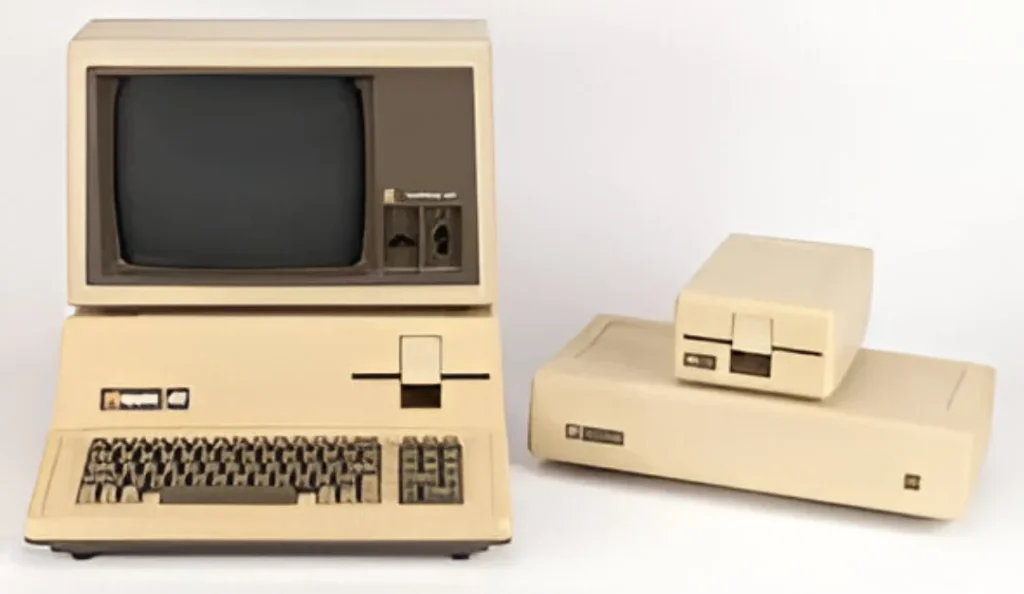
Apple III – History, Specifications, Features, Failures & Legacy (Complete Guide)

The Honest Truth: An In-Depth 2026 Ashley 14-Inch Hybrid Queen Mattress Review