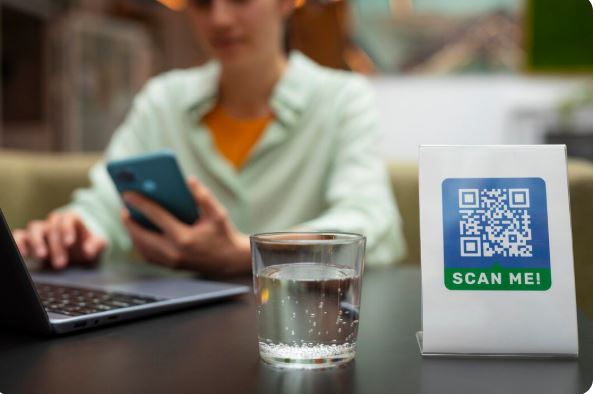
QR codes have quietly become one of the most practical tools in modern communication, bridging the gap between physical materials and digital destinations with a single scan. The problem most people run into is assuming that generating one requires downloading specialized software, creating an account, or working through a technically complex process. In reality, some of the most capable QR code generators available today run entirely in a browser, take under a minute to use, and produce files ready for immediate professional use. This guide covers everything you need to know about creating QR codes online, including what features to look for, how to get the best results, and how to avoid the common mistakes that make QR codes fail in the real world.
Why Browser-Based QR Code Generators Have Become the Practical Standard
Not long ago, generating a QR code required either dedicated desktop software or developer knowledge. That barrier effectively limited QR code use to larger organizations with technical resources. The shift to browser-based tools has changed that completely, putting professional-grade QR code creation within reach of anyone with an internet connection and a clear destination URL.
The practical advantages of online generators go beyond simple convenience. Because they run in the browser, there is nothing to install, update, or troubleshoot. They work equally well on a laptop, a desktop, or a mobile device. For small business owners, event organizers, educators, and marketers who need QR codes as a functional part of their workflow rather than a technical specialty, online tools eliminate the friction that used to make the process unnecessarily complicated.
There is also a quality argument. Many browser-based QR code tools today produce outputs that are fully scalable, available in multiple file formats, and customizable with brand colors and logos. These are not stripped-down alternatives to desktop software; in many cases they are more capable and easier to use than the downloadable tools they have replaced.
What Makes a QR Code Generator Worth Using?
Before exploring specific tips and techniques, it is useful to establish what separates a reliable, professional-grade online QR code generator from a tool that produces technically functional but practically limited results. Here is what to evaluate:
- Output file formats: A good tool should offer at least PNG for digital use and SVG or PDF for print applications where scalability matters.
- Customization options: The ability to change colors, add a logo or brand mark, and adjust the style of the QR pattern itself distinguishes professional tools from basic ones.
- Dynamic vs. static QR code support: Dynamic QR codes allow you to change the destination URL after the code has been printed, while static codes lock the destination permanently at the time of creation.
- No mandatory account creation for basic use: The best tools let you generate and download a functional QR code without requiring registration, though an account may unlock additional features.
- Error correction level control: Higher error correction makes a QR code scannable even if part of it is damaged or obscured, which matters for codes used in physical environments.
- Destination type support: Beyond basic URLs, capable generators support email addresses, phone numbers, Wi-Fi credentials, vCards, calendar events, and plain text.
- Preview functionality: Being able to scan-test a QR code before downloading it catches errors before they end up on printed materials.
Keeping these criteria in mind will help you quickly identify which tools deliver real value for your specific use case.
10 Tips for Creating QR Codes Online Like a Professional
1. Always Start With a Clean, Validated Destination URL
The single most common reason a QR code fails is not a problem with the code itself but with the destination it points to. A URL that contains a typo, a broken redirect, an expired page, or a link that requires a login to access will produce a technically functional QR code that delivers a frustrating experience to anyone who scans it. Before you generate any QR code, test the destination URL in a fresh browser window and confirm that it loads correctly, loads completely, and delivers exactly what you intend.
Pay particular attention to URLs that include tracking parameters, special characters, or redirects through multiple domains. These can sometimes behave differently than expected depending on the device used to scan them. If the destination is a landing page, test it on both a desktop browser and a mobile browser since QR code scans almost always happen on a phone.
2. Use Adobe Express to Generate, Customize, and Download Your QR Code in One Place
For a browser-based tool that combines ease of use with genuine creative control, the ability to create QR code designs within Adobe Express is one of the most well-rounded options available online. The tool allows you to generate a QR code from any URL, customize its appearance with color options and style controls, and download the result in a format suitable for both digital and print use, all without leaving the browser or installing anything.
What makes Adobe Express particularly useful for this task is the ability to take the generated QR code directly into a broader design workflow. If you need your QR code embedded in a flyer, a social media graphic, a business card template, or an event poster, you can move from code generation to full layout design within the same platform. That kind of integrated experience saves meaningful time for anyone who regularly creates branded materials and needs the QR code to look like a deliberate part of the design rather than an afterthought pasted in at the end.
3. Choose the Right QR Code Type for Your Use Case
Most people default to generating a URL-based QR code, and in many cases that is the right choice. But online QR code generators support a significantly wider range of destination types, and choosing the most appropriate type for your specific application can meaningfully improve the user experience for the person scanning.
For sharing contact information, a vCard QR code allows someone to scan and immediately save a complete contact entry to their phone rather than copying details manually. For connecting guests to a Wi-Fi network at an event or in a hospitality setting, a Wi-Fi credential QR code eliminates the need to read out a password. For event registrations, a calendar QR code can add an event directly to the scanner’s calendar with a single tap. Exploring these options before defaulting to a basic URL code often produces a more useful and impressive result.
4. Understand the Difference Between Static and Dynamic QR Codes
Static QR codes encode the destination data directly and permanently into the pattern at the time of creation. Once generated and printed, a static code cannot be updated. If the URL it points to changes or goes offline, the code is effectively broken and every printed copy becomes unusable. Dynamic QR codes, by contrast, encode a short redirect URL that can be updated at any time through the platform that generated it, even after the code has already been distributed.
For any QR code that will appear on printed materials with a significant print run, signage, packaging, or anything where reprinting is costly or logistically complex, dynamic codes are strongly worth the consideration. Many online tools offer dynamic code functionality as part of a paid tier, but for use cases where post-print flexibility matters, the cost is easily justified. For simple one-off uses or digital-only applications, a static code is typically sufficient.
5. Size Your QR Code Correctly for Its Intended Display Size
One of the most frequently overlooked technical requirements for QR codes is minimum print size. A QR code that is too small to scan reliably is functionally useless, regardless of how well it was generated. As a general rule, a QR code intended for print should be no smaller than 2 centimeters by 2 centimeters, and that is an absolute minimum. For codes that will be scanned from any meaningful distance, such as on a poster, a sign, or a banner, the size needs to scale proportionally with the viewing distance.
A common guideline used in print production is that a QR code should be at least one tenth of the scanning distance in size. A code expected to be scanned from roughly one meter away should be at least 10 centimeters square. Downloading your QR code as an SVG or high-resolution PDF ensures that it will print crisply at any size without pixelation, which is why format selection matters as much as size selection.
6. Set the Error Correction Level Appropriately for Your Environment
QR codes contain built-in redundancy through error correction, which allows them to remain scannable even when part of the pattern is obscured, damaged, or decorated with a logo. Error correction operates at four levels: L (low, approximately 7 percent recovery), M (medium, 15 percent), Q (quartile, 25 percent), and H (high, 30 percent). Higher error correction makes the code more resilient but also increases its visual complexity, which means it requires a larger print size to remain reliably scannable.
For a clean URL on a printed flyer in a controlled indoor environment, level M or Q is a sensible choice. For QR codes on outdoor signage, product packaging, or codes that incorporate a logo overlay in the center, level H provides the resilience needed to remain scannable under imperfect conditions. If your generator allows you to control this setting, selecting the appropriate level for your specific deployment context is a small but meaningful quality decision.
7. Add Your Brand Colors Thoughtfully, Not Indiscriminately
Customizing a QR code with brand colors is an effective way to make it feel like a deliberate part of a design rather than a functional afterthought. However, there are important constraints to keep in mind. The contrast between the foreground pattern and the background must remain sufficient for scanning reliability. QR code readers depend on their ability to detect the dark module pattern against a lighter background, and if that contrast is insufficient, scan rates drop significantly.
As a rule of thumb, the dark elements of the QR code should be at least three to four times darker than the background elements when measured in terms of luminance. Avoid using light colors for the foreground or dark colors for the background regardless of brand palette preferences. Inverting a QR code to show a light pattern on a dark background is technically possible but should always be scan-tested before deployment since not all readers handle inverted codes equally well.
8. Always Test Scan Before Printing or Distributing
This tip sounds obvious and is consistently skipped anyway, especially under deadline pressure. Testing a QR code before it goes to print or gets distributed digitally takes about thirty seconds and catches errors that would otherwise reach every person who tries to scan the code. Use at least two different scanning methods when testing: the native camera app on an iPhone and a dedicated QR scanner app on an Android device cover the vast majority of devices your audience is likely to use.
Test under realistic conditions, not just ideal ones. If the code will be on a poster in a dimly lit venue, test it in lower light. If it will be on packaging that may be slightly curved, test it on a curved surface. If it incorporates a logo overlay or custom colors, confirm that it scans reliably before committing to a final version. A failed test before printing is an easy fix; a failed test after ten thousand business cards have been printed is a much harder problem.
9. Include a Human-Readable Cue Near the QR Code
A standalone QR code with no surrounding context asks a lot of the viewer. Even in a world where QR code scanning has become common behavior, providing a brief text prompt near the code significantly increases engagement. Something as simple as “Scan to visit our menu,” “Scan for event details,” or “Scan to follow us” removes the ambiguity about what will happen when someone points their camera at the code.
The prompt should be brief, specific, and action-oriented. Avoid vague calls to action like “Scan here” without any indication of what the scan will deliver. The most effective QR code placements combine the code itself with a short destination cue and a clear benefit statement, giving the viewer both the instruction and the reason to act. Adding the destination URL in small type beneath the code is also a good practice, since it provides a fallback for anyone who prefers to type the address directly.
10. Track Your QR Code Performance With UTM Parameters
For any QR code used in a marketing, promotional, or business context, embedding UTM tracking parameters in the destination URL before generating the code gives you meaningful data about how the code is performing. UTM parameters are tags added to a URL that tell your analytics platform where traffic is coming from, which campaign it belongs to, and which specific material or placement drove the scan.
A destination URL with UTM parameters looks longer and more complex than a clean URL, but the QR code itself does not care about URL length. The code will encode whatever URL you give it, and the tracking data it returns is genuinely valuable for evaluating which placements and materials are driving engagement. Using a URL shortener before generating the QR code can clean up the destination address while preserving the tracking parameters, and building the tagged URL with a dedicated tool before pasting it into your QR generator takes only a few minutes.
A Quick Checklist Before You Finalize Any QR Code
Use this checklist before downloading or distributing any QR code to catch the most common issues before they become problems:
- The destination URL has been tested in both a desktop and mobile browser
- The correct QR code type has been selected for the intended use case
- The output format is appropriate for the deployment context (SVG or PDF for print, PNG for digital)
- The QR code has been downloaded at a sufficient resolution for its intended display size
- The contrast between foreground and background elements meets minimum scanning requirements
- The code has been test-scanned on at least two different devices and scanning methods
- A human-readable prompt has been included in the surrounding design
- UTM parameters have been added to the destination URL if performance tracking is needed
- A dynamic code has been used if the destination may need to change after distribution
Frequently Asked Questions
Do I need to create an account to generate a QR code online?
For most basic QR code generation tasks, a full account registration is not required. Many reputable browser-based tools allow you to enter a destination URL, generate a code, and download it in standard formats without creating a profile or providing an email address. However, certain more advanced features, such as dynamic QR codes with editable destinations, scan analytics, or the ability to save and manage multiple codes over time, typically require some form of account registration. If your needs are straightforward and you are generating a code for a one-time use, a no-account tool is entirely sufficient. If you need to manage codes across multiple campaigns or want the ability to update destination URLs after distribution, looking for a platform that offers account-based management is worth the brief registration process. Always review what data the tool collects and how it is used before providing personal information, particularly when using less well-known services.
Can I add a logo to the center of a QR code without making it unscannable?
Yes, and this is a well-established technique used widely in branded marketing materials. QR codes are designed with built-in error correction that allows a portion of the pattern to be obscured while the code remains readable. By setting the error correction level to H (high) before generating the code, you provide approximately 30 percent redundancy in the pattern, which is sufficient to accommodate a central logo overlay covering roughly 20 to 25 percent of the total code area. The key constraints are size and contrast. The logo should not cover more than the recoverable area of the code, the surrounding pattern must remain clearly legible, and the overall contrast of the code must be preserved. After adding any logo, always conduct a thorough scan test under realistic conditions on multiple devices before finalizing. Some scanning apps are more forgiving of partial obstruction than others, and a code that scans reliably on one device may fail on another if the logo coverage is too large.
What is the best file format to request when downloading a QR code for print use?
For anything that will be physically printed, SVG (Scalable Vector Graphics) is the optimal download format whenever it is available. SVG files store the QR code as mathematical paths rather than pixels, meaning the code can be scaled to any size without any loss of sharpness or resolution. This matters enormously in print production, where a pixelated or blurry QR code can fail to scan and also reflects poorly on the overall quality of the material it appears on. PDF is the next best option for print use since it also supports vector data and is universally accepted by commercial print providers. PNG is acceptable for digital use and for lower-stakes print applications like office printing, but always at a resolution of at least 300 DPI at the intended print size. If you are unsure which format to choose, asking your print vendor what they prefer before downloading is the simplest way to ensure compatibility. For web-based digital use, a standard PNG at 72 to 96 DPI at an appropriate pixel dimension is entirely sufficient. When preparing a QR code for both digital and print use from the same asset, downloading the SVG and then exporting a PNG from it gives you both formats from a single high-quality source.
How do I track how many times my QR code has been scanned?
Tracking QR code scan activity requires either a dynamic QR code platform with built-in analytics or UTM-tagged destination URLs combined with a web analytics platform. Dynamic QR code platforms route scans through their own infrastructure, which allows them to log scan count, geographic location, device type, and time of scan before redirecting the user to the final destination. This approach provides detailed scan-level data without any changes to your website setup. The UTM parameter approach works differently: rather than tracking the scan event itself, it tracks the website visit that results from the scan. By tagging your destination URL with UTM source, medium, and campaign parameters before generating the QR code, every scan that results in a website visit will be recorded in your analytics platform with those tags attached. For teams and business owners who want full control over their tracking data without relying on third-party data-sharing arrangements, Matomo is a well-regarded open-source web analytics platform that supports UTM parameter tracking, integrates with most website setups, and keeps all collected data under your own ownership. The two approaches are not mutually exclusive; using UTM parameters within a dynamic QR platform alongside a self-hosted analytics setup gives you the most comprehensive and privacy-conscious picture of both scan activity and post-scan behavior.
Are online-generated QR codes permanent, or do they expire?
The answer depends on the type of QR code you generate and the platform you use. Static QR codes, which encode the destination data directly into the pattern, are permanent by definition. The code itself is simply a visual representation of encoded data, and once generated it will continue to point to the same destination indefinitely without any dependence on the generating platform. The only way a static QR code stops working is if the destination URL it points to goes offline, changes, or becomes inaccessible. Dynamic QR codes, on the other hand, depend on the generating platform’s redirect infrastructure to function. The code points to a short URL hosted by the platform, which then redirects to your actual destination. If the platform discontinues its service, limits free accounts, or you stop paying for a subscription that supports your dynamic codes, those redirect URLs may stop resolving and the codes will effectively stop working. For long-term use on permanent printed materials like plaques, packaging, or architectural signage, a static QR code pointing to a stable, well-maintained destination is the more reliable long-term choice precisely because it removes any dependency on a third-party platform’s continued operation.
Getting Your QR Code Right the First Time
QR codes are small, but the difference between one that works flawlessly and one that fails in the field comes down entirely to the decisions made before and after the generation step. The technology itself is reliable; the failure points are almost always in destination validation, format selection, sizing, contrast, and the absence of testing. Addressing each of those factors takes minutes and pays for itself the first time someone scans your code and arrives exactly where you intended.
Browser-based tools have made professional QR code creation genuinely accessible, and platforms like Adobe Express take that accessibility further by integrating QR generation with a full suite of design tools so the code fits seamlessly into any material it appears on. Whether you are creating a single code for a personal project or managing a set of codes across a marketing campaign, the combination of a reliable online generator and the practical guidance in this article gives you everything you need to do it correctly, quickly, and without downloading a single thing.

The AI Skills Gap Is Growing and Here's How Companies Are Closing It.
The Hidden Half of AI Image Creation – Editing, Iteration, and Control
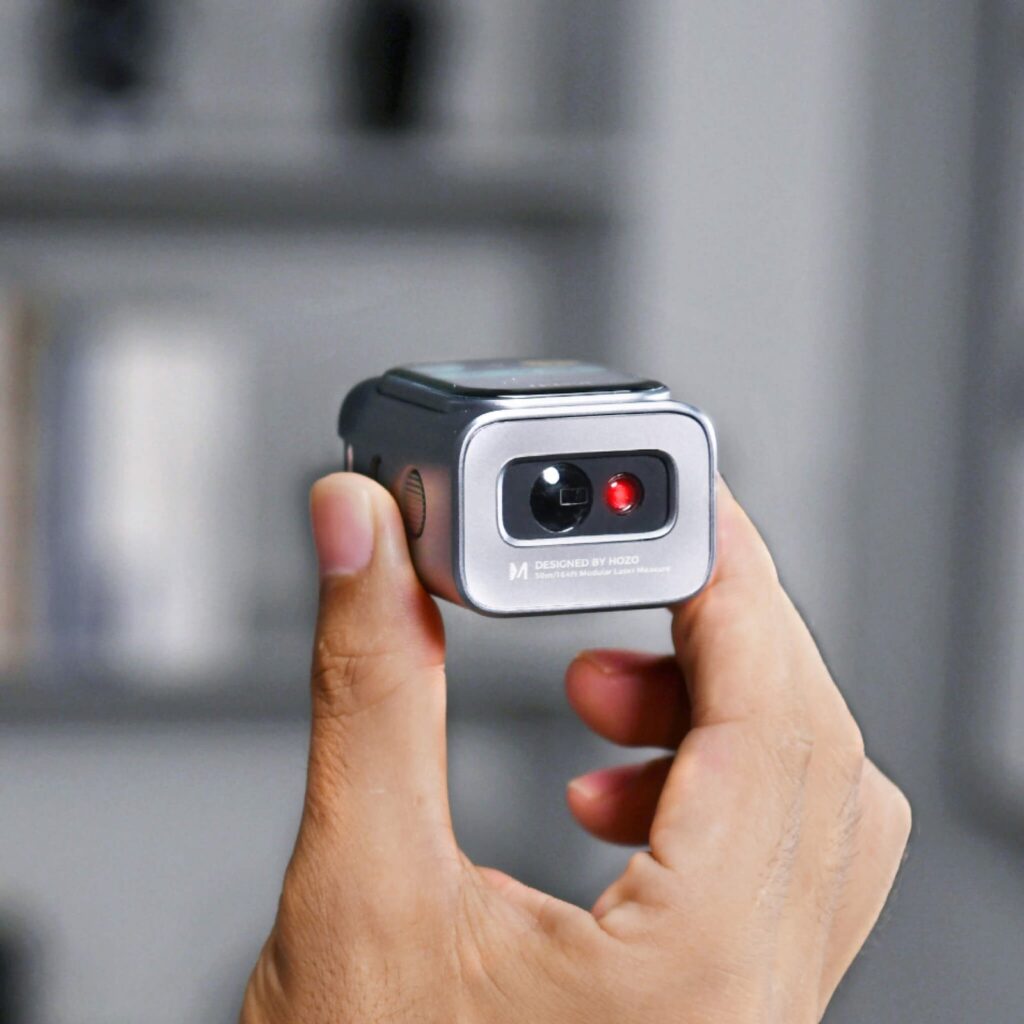
Traditional Tools vs. HOZO Design Laser Measuring Devices