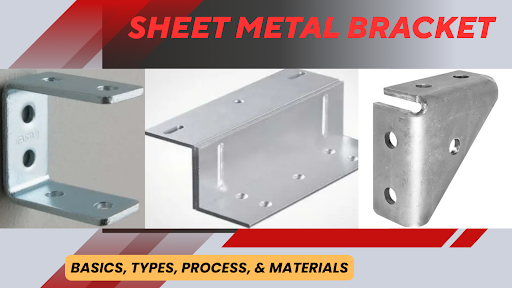
Metal brackets sound simple and are often invisible, but their connection and support function is irreplaceable. They are usually made from simple blanks that are subsequently cut to size and formed into shapes.
Most metals can be used to make usable brackets; the designer only needs to ensure the requirements for performance, aesthetics, durability, and other critical factors are met.
This post outlines the basics of this essential mechanical component, from the bracket fabrication steps to the materials used and design considerations.
What is a Bracket in Engineering?
A sheet metal bracket is a structural component for connecting and reinforcing other components. It is built for angular load or force transfer between elements. Engineering applications for brackets are typically in terms of an interface between parts, with precision and load handling.
What is the Purpose of a Metal Bracket?
Metal brackets can be simple or complex, depending on the application. In the same way, the functions are varied. While some brackets are simply for vertical load support, others are used in complex connections.
That said, some common purposes of metal brackets are;
- Accurate positioning of mounted components
- Heat dissipation for enhanced cooling
- Connecting and integrating systems
- Metal bracket support
- Electromagnetic shielding
What are sheet metal brackets made of?
The most common materials for making sheet metal brackets include aluminum, copper, cold-rolled steel, galvanneal steel and stainless steel.;
Aluminum
Light, sturdy, and cost-effective, aluminum sheet brackets are some of the most popular in industrial applications. Remember, the material has excellent corrosion resistance and is compatible with various finishing processes.
Copper
Copper has a unique, attractive appearance that is popular for decorative pieces. Copper brackets may not be among the strongest, but aesthetic appeal is useful in decorative components.
Cold-Rolled Steel
Cold-rolled steel is perfect for rigid, durable brackets for common uses, for instance, for supporting HVAC units. This cost-effective material is prone to corrosion, but performs reliably when powder-coated.
Galvanneal Steel
Galvanneal should be at the top of the list for anyone looking for a steel grade that paints perfectly. Metal brackets made of this matte grey material are easy to form and weld.
Stainless Steel
Stainless steel metal brackets offer superior mechanical properties and are corrosion-resistant.
Types of Metal Brackets
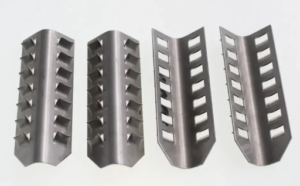
When it comes to the different types of mounting brackets, the options include the gusset-bracket, offset-bracket, L-bracket, U-bracket, and Z-bracket.
Gusset-Bracket
This type of metal bracket connects other metal brackets, often for reinforcement. The collective pieces are stronger and sturdier. These brackets have a higher load-bearing capacity because they distribute stress better.
Offset-Bracket
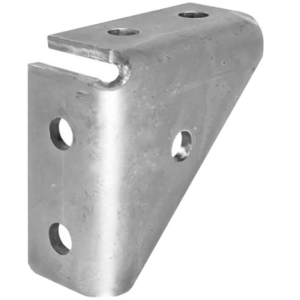
The offset bracket is designed to serve both the mounting and supporting functions. In other words, it combines the functions of the Z-bracket and the U-bracket, respectively.
L-Bracket
The L-bracket is popularly used to fasten vertical and horizontal components. One of its most popular applications is metal bracket support for shelves against walls. Along with material type and thickness, the 90-degree bend is a key design feature. It provides a critical load transfer.
U-Bracket
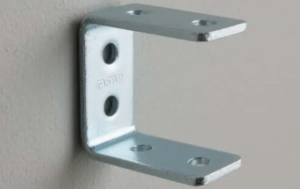
This one is channel-shaped, providing reliable alignment and fastening to components. U-brackets are designed to provide lateral stability. They are commonly used in structures where frames, pipes, or beams are mounted.
Z-Bracket
This Z-shaped bracket is ideal for supporting offset parallel surfaces. These brackets are ideal for mounting solar panels, HVAC parts, and wall panels.
Advantages of Sheet Metal Brackets
Here are some advantages of using custom, different types of mounting brackets;
- Material versatility
- Optimized strength and weight
- Aesthetic appeal
Limitations of Sheet Metal Brackets
The limitations of custom metal brackets are;
- Limited design complexity
- Susceptible to corrosion and rust if not well-coated
- Limited strength
Steps on How to Make a Bracket
Manufacturing a sheet metal bracket entails a series of steps that start with design and end with assembly. Each step must be undertaken with utmost accuracy, precision, and control because it affects the quality of the final product.
Here is an outline of the steps.
Designing: This first step is critical to ensure the manufacturability of the bracket and its compliance with the client’s specifications. Computer-Aided Design (CAD) software is used to make 2D and 3D models of the item.
Cutting: Once the design is ready and the material has been selected, the metal sheet is cut into the right shape and size. Waterjet cutting and laser cutting are some popular techniques used.
Forming: Bending is typically the next step in the manufacturing process for custom metal brackets. The fabricator achieves bracket shapes such as L, U, and Z at this stage using bending machines.
The piece may also pass through multiple forming machines or steps before achieving its final shape.
Punching: Most brackets require holes or slots for a smooth assembly process. A drill press or punch press is often enough to complete this step.
Joining and assembly: Bigger, more complex brackets contain different parts, which must be assembled. Installing also requires these approaches: welding, riveting, and bolting.
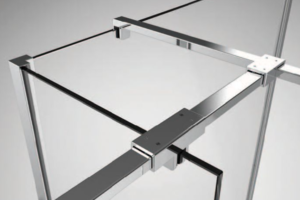
Surface Treatment Options for Metal Brackets
Surface treatment options for brackets include powder coating, painting, and zinc plating. The ideal treatment protects against corrosion and other attacks while also enhancing the part’s aesthetic appeal and performance.
The fabricator must also determine if the treatment will work well with other manufacturing processes that may follow, for instance, further welding.
Main Design Considerations for Sheet Metal Brackets
Metal bracket designers consider critical aspects such as bend radii, material thickness, material strength, and hole placement.
Bend Radii – The bend radius affects the part’s strength. The best practice is to have the radius at 1.5 to 2 times the material thickness.
Material Thickness – Thin materials are more flexible but weaker than thicker ones. For thin but strong designs, incremental thickness variations and honeycomb designs are used.
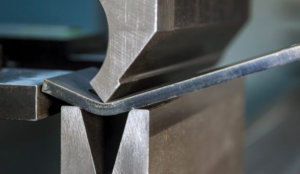
Material Strength – Tensile and fatigue strengths differ in materials. For instance, Stainless Steel 316 is much stronger than copper.
Hole Placement – Bracket holes should be adequately placed to ensure optimal load distribution.
In Conclusion
Sheet metal brackets are undeniably critical in component support, connection, and reinforcement. Fabricators can create custom brackets or recommend the standard ones, all of which are based on specific project requirements.
With expert sheet metal services, manufacturing metal brackets that meet diverse industry needs is effortless. Ask for assistance today.

The AI Skills Gap Is Growing and Here's How Companies Are Closing It.

The Hidden Half of AI Image Creation – Editing, Iteration, and Control

Traditional Tools vs. HOZO Design Laser Measuring Devices