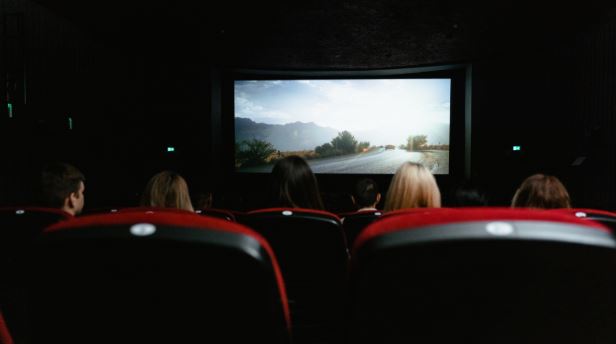
Home theaters have evolved from a niche luxury into one of the most sought-after features in modern homes. As more homeowners invest in creating immersive viewing experiences, the choice of seating has become just as important as the screen or sound system. After all, even the sharpest 4K projector loses its magic if you’re shifting uncomfortably in a chair that doesn’t support your body or suit your lifestyle. This brings us to a central question many homeowners face: should you invest in luxury theater seating equipped with advanced features like built-in storage and USB charging, or will a basic model get the job done? The answer isn’t purely about budget — it touches on daily comfort, room functionality, and even your home’s long-term value. A well-chosen seat transforms movie nights, game days, and binge-watching sessions into genuinely relaxing rituals. In the comparison ahead, we’ll break down exactly what separates high-end options from their simpler counterparts, helping you make a confident decision that aligns with your expectations for a premium media room.
The Evolution of Home Theater Seating
Not long ago, home theater seating meant dragging a couch from the living room or lining up a few folding chairs in front of a screen. Comfort was an afterthought, and design barely entered the conversation. The earliest dedicated theater seats were little more than padded chairs arranged in rows, mimicking commercial cinemas without any of the engineering that makes long viewing sessions enjoyable. Over the past two decades, however, the industry has undergone a dramatic transformation. Manufacturers began borrowing from automotive and aerospace design, introducing memory foam cushioning, lumbar support systems, and reclining mechanisms that respond to the body’s natural posture. Theater seating became its own category — distinct from standard furniture and purpose-built for extended use. More recently, the integration of technology has pushed the category even further. Power recline motors, ambient LED lighting, and swivel tray tables have turned passive chairs into interactive comfort stations. Perhaps the most meaningful shift, though, has been the addition of practical conveniences like built-in storage compartments and device charging ports. These features reflect how we actually use media rooms today: phones need power, remotes need a home, and snacks need to be within arm’s reach. Understanding this evolution helps explain why modern theater seating varies so widely in capability — and why the gap between luxury and basic models has never been larger.
Luxury Theater Seating: Features and Benefits
When you step into a well-appointed media room, the seating immediately sets the tone. Luxury theater seating goes beyond simple comfort — it creates an experience that feels intentional, refined, and deeply personal. High-end options cater to homeowners who view their media rooms as extensions of their lifestyle, not just places to watch a screen. The benefits span ergonomics, aesthetics, and day-to-day practicality, making these seats a long-term investment in how you live at home.
Custom Theater Seats for Personalized Comfort
Custom theater seats allow homeowners to design seating around their bodies rather than adapting to a one-size-fits-all frame. You can select seat width, cushion firmness, headrest height, and armrest positioning to match your exact preferences. Ergonomically, this matters more than most people realize — proper lumbar alignment and neck support during a two-hour film reduce fatigue and prevent the stiffness that sends people reaching for the pause button. Beyond fit, custom configurations let you choose curved rows, loveseats, or chaise-style layouts that complement your room’s architecture. The visual result is a space that looks designed rather than furnished, with cohesive color palettes and stitching details that elevate the entire room.
Premium Leather Sofas: Style and Durability
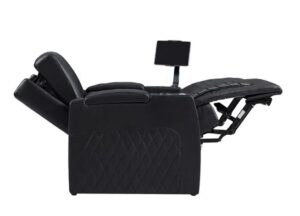
Premium leather sofas remain a top choice for media rooms because they deliver on both appearance and longevity. Top-grain and full-grain leather develops a rich patina over time, actually improving with age rather than deteriorating. Spills from drinks or buttery popcorn wipe clean in seconds, which is a genuine advantage in a room built for snacking and relaxation. Leather also resists odor absorption better than most fabrics, keeping your theater smelling fresh even after years of regular use. The tactile experience — cool to the touch initially, then warming to body temperature — adds a sensory layer that fabric simply cannot replicate.
Modern Amenities: USB Charging and Built-in Storage
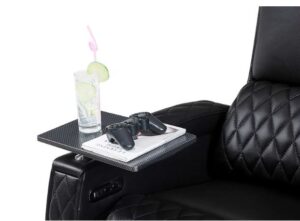
The most transformative features in luxury theater seating are often the quietest ones. USB charging ports embedded in armrests or console panels keep phones and tablets powered without trailing cables across the floor. This small convenience eliminates the frustration of a dead device mid-movie or the need for unsightly power strips near your seats. Built-in storage is equally impactful — hidden compartments within armrest consoles provide dedicated space for remotes, gaming controllers, headphones, and even small blankets. Instead of cluttering side tables or losing items between cushions, everything stays organized and within reach. Manufacturers like Weilianda have embraced this trend by engineering console designs that maximize compartment space without adding bulk to the seat profile. Some models incorporate cooled cup holders and flip-up tray surfaces, turning each seat into a self-contained comfort station. These integrated storage solutions keep the room visually clean while making every session more seamless.
Basic Theater Seating Models: What You Get
Basic theater seating serves a straightforward purpose: it gives you a dedicated place to sit while watching a screen, and it does so at a fraction of the cost of luxury alternatives. Standard models typically feature fixed or manually reclining backs, polyester or bonded leather upholstery, and foam padding that provides adequate — though not exceptional — support. For homeowners furnishing a secondary viewing area, a kids’ media room, or a temporary setup, these seats can be a reasonable starting point. They’re widely available, easy to assemble, and light enough to rearrange without professional help. However, the trade-offs become apparent quickly. Most basic models lack power recline mechanisms, meaning you’re adjusting your position manually and often settling for two or three preset angles rather than finding your ideal recline. Cushion density tends to be lower, which leads to noticeable compression after a year or two of regular use — that initial softness gradually gives way to a flat, unsupportive seat pan. The absence of built-in storage means remotes, phones, and snacks end up scattered on side tables or the floor, undermining the clean, organized feel of a purpose-built theater. There are no USB charging ports, no hidden compartments, and no cooled cup holders. You get a seat, and little more. For casual viewers on a tight timeline, that may suffice. But for homeowners building a media room they plan to use daily and enjoy for years, basic models often reveal their limitations faster than expected — setting up an important question about where your investment truly pays off.
Making the Right Choice: A Step-by-Step Guide for Homeowners
Choosing theater seating that you’ll enjoy for years requires more than browsing photos online and picking what looks best. It demands a deliberate process — one that accounts for your room, your habits, and the features that will actually improve your daily experience. The steps below walk you through a practical framework for landing on seating that balances luxury, modern functionality, and smart storage without overspending or underdelivering.
Assessing Your Space and Needs
Start by measuring your room carefully, noting not just floor dimensions but also ceiling height, door clearances, and the distance from the screen wall to the back seating row. Theater seats with full recline need anywhere from 18 to 24 inches of clearance behind them, so a room that looks spacious on paper can feel tight once you account for recline travel. Sketch a rough floor plan and determine how many seats you genuinely need — overloading a room with extra chairs sacrifices legroom and creates a cramped atmosphere that undermines the entire purpose of a dedicated theater. Think honestly about how you use the space. If your household streams content nightly and hosts watch parties on weekends, you need seating that accommodates long sessions and keeps essentials organized. If the room doubles as a gaming zone, consider whether you need accessible compartments for controllers and headsets right at arm level. Identifying these specific storage and comfort requirements before you shop prevents the common mistake of choosing seats based solely on appearance.
Evaluating Features: Storage vs. Cost
Once you know your spatial constraints and lifestyle needs, rank the features that matter most. Built-in storage compartments and USB charging ports add meaningful convenience, but their value depends on how frequently you’ll actually use them. A household that charges devices constantly and juggles multiple remotes will benefit enormously from integrated storage — it eliminates clutter and keeps the room looking polished session after session. On the other hand, a homeowner who rarely brings devices into the theater may find those features less essential. When budget pressure exists, prioritize power recline and quality cushioning first, since those directly affect physical comfort during every use. Storage and charging capabilities should come next, ahead of purely cosmetic upgrades like accent stitching or LED cup holder lighting. This hierarchy ensures your spending targets the features that impact your experience the most rather than the ones that simply look impressive in a showroom.
Implementation Tips for Integrated Storage Solutions
If you’ve decided that built-in storage is a priority, look for modular seating configurations that include console wedges between seats. These consoles typically house hidden lift-top compartments, cup holders, and charging ports in a single unit, and they can be added or removed as your needs change. Modular designs also let you reconfigure rows if you eventually move the setup to a different room or expand your seating count. When positioning your seats, run any necessary power connections before the furniture arrives — built-in USB ports and powered recliners require accessible outlets, and planning wiring in advance avoids extension cords snaking across the floor. For homeowners who already own basic seats but want to add storage functionality, aftermarket armrest caddies and clip-on organizers offer a temporary bridge, though they rarely match the seamless integration of purpose-built compartments. Ultimately, investing in theater seating with native storage from the start delivers a cleaner look and more reliable long-term performance than retrofitting solutions after the fact.
Why Luxury Theater Seating Is a Worthwhile Long-Term Investment
The gap between luxury theater seating with built-in storage and basic models isn’t just about price — it’s about how deeply your media room integrates into your daily life. Luxury options, from custom theater seats shaped to your body’s dimensions to premium leather sofas that age gracefully under years of use, deliver a level of comfort and durability that basic chairs simply cannot match. Features like USB charging ports and hidden storage compartments may seem like small additions on paper, but in practice they eliminate the clutter, dead devices, and constant fidgeting that erode the immersive experience a home theater is supposed to provide. Basic models have their place for temporary setups or rooms with lighter use, yet they tend to show their shortcomings within a year or two as cushions flatten and the absence of organizational features becomes a recurring frustration. For homeowners committed to building a media room that feels polished, functional, and genuinely enjoyable over the long haul, investing in seating with integrated modern amenities pays dividends every time you sit down. Weigh your room dimensions, viewing habits, and must-have features carefully — the right theater seating doesn’t just fill a space, it defines how you experience it.

The Power of Durable Choices: Why Longevity Is Becoming a Consumer Priority

Delores Nowzaradan: Unveiling Her Life Story

Why Planning Makes Busy Mornings Easier