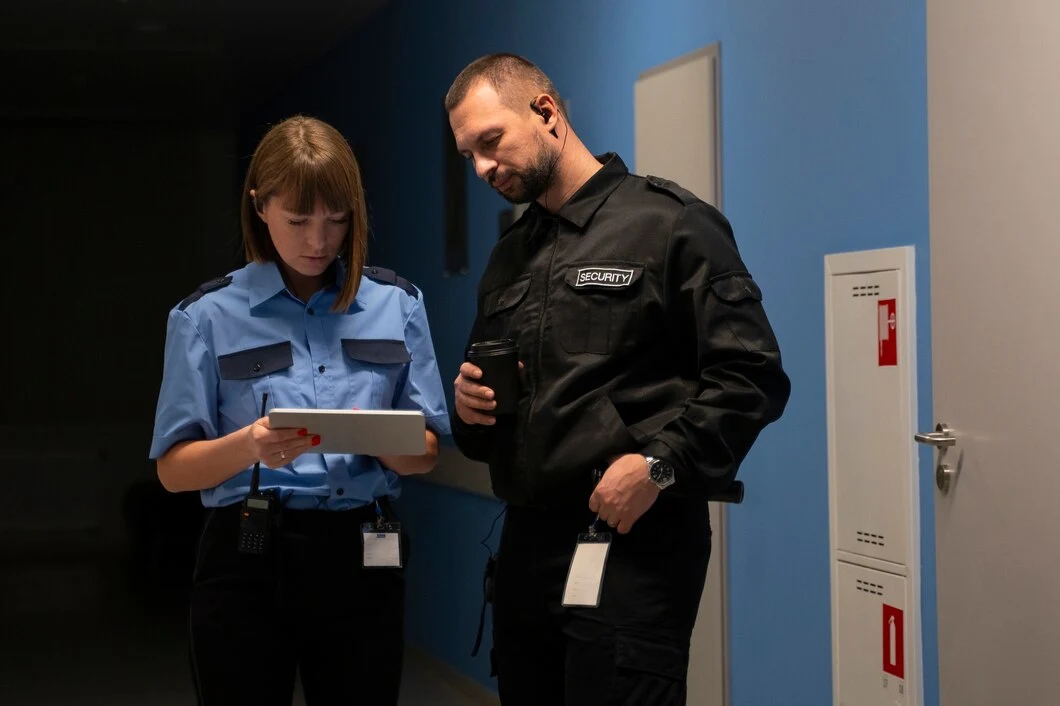
Most security discussions focus on systems, configurations, and how access is controlled at a technical level. With the shift toward modern access control, it is becoming clear that protection extends beyond software and networks. In real-world environments, risks often begin with access, where entry is not properly monitored or situations are not handled at the right time.
In these situations, the role of on-ground security becomes important. The difference between a security guard and a security officer is not just about titles. It depends on the level of risk and the environment they are responsible for managing.
Understanding how the roles of security guards and security officers differ helps organizations make better decisions about security coverage based on real conditions.
Security Guard vs Security Officer: What’s the Actual Difference?
The difference between a security guard and a security officer is not just about the title. It comes down to responsibility, level of authority, and the type of environment they are placed in.
A security guard is usually responsible for on-ground presence and immediate response. Their role focuses on monitoring entry points, observing activity, and handling situations as they happen. Guards can also be assigned in different roles depending on the environment, such as armed security guards, unarmed guards, patrol guards, or monitoring-based positions. This makes them suitable for environments where visibility and quick reaction are important.
A security officer, on the other hand, operates with more structured responsibility. Their role often includes reporting incidents, maintaining records, coordinating with management, and following defined security procedures. This makes them more suitable for environments where risk needs to be tracked and managed over time.
Understanding this difference is the first step in choosing the right role.
When a Security Guard Is the Right Choice
A security guard is generally the better fit for environments where the main goal is to maintain order, deter unwanted activity, and respond to day-to-day issues as they happen. The role is practical and visible. It supports security by being present where people enter, move, and interact.
In a lower-risk environment, that visible presence can be enough to reduce problems before they grow. A guard may check entry points, confirm basic visitor access, keep an eye on movement, and respond when something appears out of place. The role matters because many incidents begin with simple access failures, not advanced threats.
A Los Angeles-based security guard company, FalconX Security Services, has stated that their security guards are trained to handle routine access monitoring, visitor verification, and immediate response situations. This reflects how security guards operate in real environments, where the focus remains on awareness, quick action, and managing everyday situations as they unfold.
For example, in residential buildings or office receptions, the focus is on the following:
- Observing who enters and exits
- Verifying visitors
- Responding quickly to unusual situations
In such environments, risk is present but not highly complex. A guard helps manage day-to-day activity without adding layers of process that are not required.
Even with surveillance systems in place, human presence plays an important role. Cameras can record activity, but they cannot act in the moment. A guard fills that gap by responding immediately when something does not look right.
When a Security Officer Is the Better Fit
A security officer is more suitable in environments where risk is higher and needs structured handling. These are places where security is not just about presence but about control, documentation, and coordination.
For example, in corporate offices, industrial facilities, or locations with restricted access:
- Incidents need to be recorded properly
- Access must follow defined procedures
- Situations may require escalation
In these cases, the role goes beyond observation. A security officer ensures that security processes are followed consistently and that any issue is handled in a controlled way.
As organizations continue to invest in access control systems and monitoring tools, the need for structured human oversight becomes more important. A security officer works alongside these systems to maintain order and accountability.
How Risk and Environment Define the Right Role
Choosing between a security guard and a security officer depends on the level of risk and how the environment operates. A single approach does not work for every setting.
In lower-risk environments, the focus is on visibility and quick response. A security guard can manage entry points, observe activity, and step in when something seems off. This works well in spaces where access needs to remain open but monitored.
In higher-risk environments, the need shifts toward control and consistency. A security officer is better suited here, as the role supports structured procedures, reporting, and coordination with wider security systems. This becomes important in locations with restricted access or sensitive operations.
This shift is also reflected in how the industry is constantly expanding. Grand View Research states that the global physical security market continues to grow and is projected to exceed $200 billion by 2030, reflecting how organizations are investing in layered security approaches rather than relying on a single solution.
As organizations adopt layered security models, human roles continue to support systems rather than replace them. The right choice comes down to matching the role with the actual demands of the environment.
How Physical Roles Support System-Level Security
Security is often viewed through a technical lens, focused on systems, networks, and access control platforms. In practice, many risks begin at physical access points where entry is granted, observed, or overlooked.
Physical roles support system-level security in the following ways:
- Managing access in real time
Security guards monitor entry points, verify visitors, and observe movement as it happens. This helps prevent unauthorized access that systems alone may not detect immediately. - Handling situations beyond system controls
Technical systems can restrict and record access, but they cannot interpret behavior. On-ground personnel respond to unusual activity and take action when something does not align with expected patterns. - Supporting structured incident response
Security officers ensure that incidents are properly documented, escalated, and handled according to defined procedures. This adds accountability and consistency to how risks are managed. - Strengthening layered security models
As access control systems progress, human oversight continues to support them. Organizations depend on both physical presence and digital systems to reduce overall risk and maintain control across environments. In fact, many organizations now depend on multi-layered security methods to improve protection across both physical and digital spaces.
Choosing Between a Security Officer vs. a Security Guard
When deciding between a security guard and a security officer, focus on what the environment actually requires. The choice should be based on risk level, type of activity, and how security needs to function on-site.
When to Hire Security Guards
- The environment is low- to moderate-risk
- The priority is visibility and active monitoring
- Access needs to remain open but supervised
- Situations require quick, on-the-spot response
- Day-to-day activity needs to be observed and managed
When to Hire Security Officers
- The environment involves higher-risk or sensitive operations
- Access needs to follow defined procedures
- Incidents must be recorded and reported properly
- Situations may require escalation and coordination
- Security needs to be consistent and process-driven
In many environments, both roles are used together to create balanced security coverage. Security guards handle day-to-day monitoring and maintain a visible presence, ensuring that activity is observed and managed in real time. At the same time, security officers take responsibility for structured response, oversight, and coordination when situations require a more controlled approach. This combination supports a layered approach to security, where immediate action and organized processes work together to manage risk effectively.
Final Thoughts
The difference between a security guard and a security officer becomes clear when viewed through the lens of risk and environment. Each role serves a specific purpose, and choosing the right one depends on how security needs to function on-site.
A security guard supports visibility, monitoring, and immediate response in environments where day-to-day activity needs to be managed in real time. A security officer brings structure, consistency, and accountability in settings where risk is higher and a more controlled approach.
As organizations continue to strengthen both physical and system-level security, the focus is shifting toward aligning roles with real-world conditions. Making the right choice helps ensure that security is not only present but also effective, practical, and suited to the environment it is meant to protect.
Why Security Experts Trust Dig Trace Free Port Scanner to Reveal Network Weaknesses Before Attackers Find Them

Comprehensive Guide to UploadInsider.com: Secure File Upload & Data Management
Security Guard vs Security Officer: Choosing Roles in Different Risk Environments