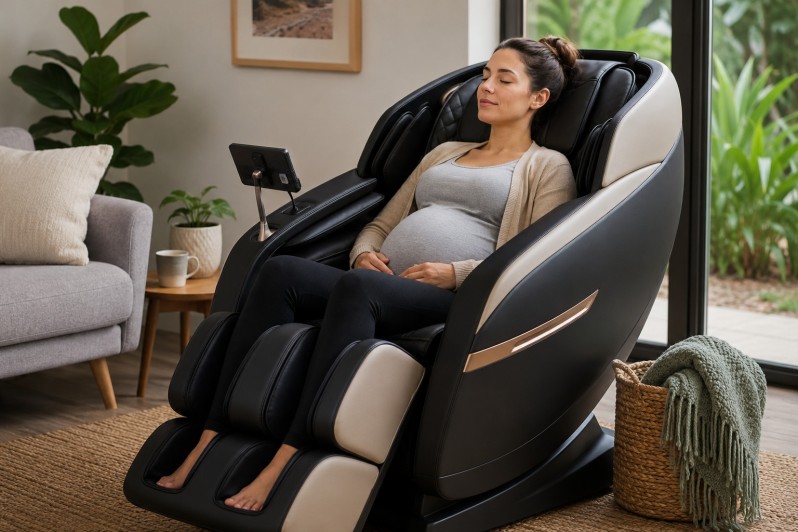
Massage chairs have become an increasingly popular fixture in Australian homes, offering a convenient way to unwind after long days without booking expensive spa appointments. As more households invest in these sophisticated wellness devices, a pressing question arises for expectant mothers: is it safe to use a massage chair during pregnancy? The topic generates significant debate among healthcare professionals and mothers-to-be alike, with concerns ranging from pressure intensity to heat exposure. This article explores the pros and cons of massage chair use during pregnancy within the Australian context, examining safety considerations, essential features to look for, and practical guidance for making informed decisions. Whether you’re considering purchasing a massage chair in Australia or already own one and want to know if it’s safe to continue using it while expecting, this comprehensive guide addresses your concerns with evidence-based insights and actionable advice tailored to Australian health standards and lifestyle considerations.
Understanding Massage Chair Safety for Pregnant Women in Australia
Pregnancy transforms the body in profound ways, making safety considerations paramount for every wellness decision an expectant mother faces. When it comes to massage chair safety, understanding the intersection between mechanical massage therapy and pregnancy physiology helps women make confident choices. Australian health professionals generally acknowledge that massage therapy can benefit pregnant women, but they emphasize the importance of appropriate technique, timing, and intensity. The Royal Australian and New Zealand College of Obstetricians and Gynaecologists encourages women to discuss complementary therapies with their healthcare providers before proceeding. A common myth suggests that all massage during pregnancy is dangerous, but this oversimplification ignores the nuanced reality. Modern massage chairs offer far more control than many people realize, and when used correctly, they can provide relief without compromising safety. The key lies in understanding which features matter, which trimester you’re in, and what your individual pregnancy circumstances require.
Why Safety is Crucial During Pregnancy
During pregnancy, a woman’s body undergoes remarkable physiological changes that directly affect how massage therapy interacts with her system. Blood volume increases by up to fifty percent, placing additional demands on the cardiovascular system and making circulation patterns more sensitive to external pressure. Hormonal shifts cause ligaments and joints to loosen in preparation for birth, meaning that intense mechanical pressure could potentially cause discomfort or strain in ways it wouldn’t for non-pregnant individuals. Certain pressure points, particularly around the ankles and lower back, have been traditionally associated with stimulating uterine contractions in reflexology practices. While scientific evidence on this remains limited, many practitioners exercise caution around these areas during the first trimester when miscarriage risk is naturally higher. Blood flow redistribution also means that prolonged pressure on specific areas could affect circulation to the uterus, making awareness of positioning and duration essential for pregnant massage chair users.
Addressing Common Safety Concerns
Pregnant women frequently express concerns about heat settings, vibration intensity, and the potential for abdominal pressure when using a massage chair. Heat is perhaps the most legitimate concern, as elevated core body temperature during the first trimester has been linked to neural tube defects in some studies. Modern massage chairs address this by offering adjustable or completely disengageable heating elements, allowing pregnant users to enjoy mechanical massage without thermal exposure. Intensity levels represent another common worry, but contemporary chairs feature multiple speed and pressure settings that can be dialed down to gentle, surface-level kneading appropriate for pregnancy. The fear of direct abdominal pressure is largely unfounded with standard massage chairs, as most designs focus on the back, neck, shoulders, and legs rather than the front of the body. Many Australian-available models now include pregnancy-specific programs or gentle modes that automatically limit intensity and avoid problematic pressure zones.
Essential Features of the Best Massage Chair for Pregnancy
Selecting the best massage chair for use during pregnancy requires careful attention to specific features that prioritize both safety and comfort. Not every massage chair on the Australian market is suitable for expectant mothers, and understanding which massage chair features matter most can prevent unnecessary risks while maximizing therapeutic benefits. The ideal chair combines precise control mechanisms with ergonomic design elements that accommodate a changing body. Australian consumers have access to a wide range of models from retailers such as Costway-AU and other wellness equipment providers, but pregnant women should focus on chairs that offer granular customization rather than simply powerful performance. A chair that excels for athletic recovery may be entirely inappropriate for prenatal use, so approaching the selection process with pregnancy-specific criteria ensures a worthwhile investment that serves both during and after pregnancy.
Key Safety Features to Prioritize
Adjustable intensity control stands as the single most important safety feature for pregnant massage chair users. Look for chairs offering multiple pressure levels with fine increments rather than just three or four broad settings, as this allows you to find the precise gentle pressure appropriate for each stage of pregnancy. Zero-gravity positioning, which elevates the legs above heart level while distributing body weight evenly across the chair’s surface, reduces strain on the lower back and improves circulation without requiring intense mechanical pressure. This position also minimizes the risk of supine hypotension that can occur when pregnant women lie completely flat on their backs during later trimesters. Heat control with complete disengagement capability is non-negotiable, ensuring you can use mechanical massage functions without any thermal element activating. Safety auto-shutoff timers prevent sessions from exceeding recommended durations, which is particularly valuable when relaxation leads to drowsiness. Australian safety certification marks indicate compliance with electrical and mechanical standards that protect all users.
Comfort-Enhancing Features for Pregnancy
Enhanced lumbar support with adjustable depth accommodates the shifting centre of gravity that pregnancy creates, providing relief precisely where the lower back needs it most. Customizable massage programs allow users to target specific areas while completely avoiding others, meaning you can enjoy a thorough shoulder and upper back massage without any engagement around the lower abdomen or inner legs. Gentle massage modes that replicate light Swedish-style stroking rather than deep tissue kneading offer therapeutic benefit without excessive pressure on sensitized muscles and loosened ligaments. Extendable footrests accommodate swelling in the lower legs and feet, a common pregnancy complaint that gentle calf and foot massage can meaningfully address. Breathable upholstery materials help manage the elevated body temperature many pregnant women experience, while easy entry and exit design features become increasingly important as mobility changes throughout the third trimester. Wide armrests and spacious seating dimensions ensure comfort as the body expands.
Pros and Cons of Using a Massage Chair During Pregnancy in Australia
Making an informed decision about electric massage chairs during pregnancy requires weighing genuine benefits against real limitations. Australian expectant mothers face unique considerations shaped by the country’s climate, healthcare system, and lifestyle patterns. The warm Australian climate means many pregnant women experience heightened discomfort from swelling and heat retention, making certain massage chair features particularly relevant. Meanwhile, Australia’s geographic vastness means that for women in regional areas, having a massage chair at home eliminates lengthy drives to access professional massage therapy. Electric massage chairs represent a significant investment, but when evaluated against the cumulative cost of regular prenatal massage appointments throughout a forty-week pregnancy, the economics shift considerably. Understanding both sides of this equation empowers pregnant women to make choices aligned with their individual health circumstances and practical needs.
Benefits (Pros) for Pregnant Women
Stress relief ranks among the most significant advantages of massage chair use during pregnancy, with gentle mechanical massage promoting relaxation and reducing cortisol levels that can negatively affect both mother and baby. Improved circulation addresses one of pregnancy’s most persistent complaints, as gentle leg and calf massage helps combat the fluid retention and swelling that intensifies during Australia’s warmer months. Back pain affects approximately seventy percent of pregnant women, and consistent access to lumbar massage at home provides relief without requiring appointments or travel. The convenience factor cannot be overstated for Australian mothers managing work schedules, existing children, and the fatigue that accompanies pregnancy. Unlike booking professional massages that require advance planning and commuting, a home massage chair offers immediate access whenever discomfort strikes, whether that’s early morning stiffness or evening leg cramps. Sleep quality often improves with regular gentle massage before bed, addressing the insomnia many expectant mothers experience during their second and third trimesters.
Risks and Limitations (Cons) to Consider
The potential for overuse presents a genuine concern, as the accessibility of a home massage chair may tempt pregnant women to exceed recommended session durations or frequencies without professional guidance. Australian health practitioners advise that sessions should typically remain under fifteen minutes during pregnancy, a discipline that requires self-awareness when relaxation feels so readily available. Medical consultation remains essential before beginning any massage chair routine, and women with high-risk pregnancies, placenta previa, or pre-eclampsia may need to avoid mechanical massage entirely. The financial investment in a quality chair with appropriate safety features is substantial, and cheaper models lacking fine-tuned controls may not offer the gentle settings pregnancy demands. Not all massage chairs available in Australia carry adequate safety certifications, and imported models may not meet Australian electrical standards. There’s also the limitation that a massage chair cannot replicate the adaptive responsiveness of a trained prenatal massage therapist who can adjust technique in real time based on a client’s feedback and physical presentation.
Practical Solutions: Choosing and Using a Massage Chair Safely in Australia
Moving from understanding the benefits and risks to taking practical action requires a structured approach that accounts for both the selection process and ongoing safe usage. Australian pregnant women need concrete steps that bridge the gap between wanting relief and achieving it safely. The massage chair market in Australia includes dozens of brands and hundreds of models, making the selection process potentially overwhelming without clear criteria. Similarly, once a chair is purchased or already available at home, knowing exactly how to use it during each trimester prevents both underutilization and risky overuse. The following guidance distills expert recommendations and safety principles into actionable steps that any expectant mother can follow with confidence, regardless of whether she’s shopping for her first massage chair or adapting her existing routine to accommodate pregnancy.
Step-by-Step Guide to Choosing the Right Massage Chair
Begin by researching brands with established Australian presence and local customer support, as this ensures access to warranty service and replacement parts without international shipping delays. Check that any model you’re considering carries Australian safety certification marks, confirming compliance with electrical safety standards that protect against overheating and mechanical failure. Visit a showroom where possible to physically test the chair’s lowest intensity settings, because what feels gentle in a product description may still prove too firm for pregnancy use. Pay attention to how easily you can enter and exit the chair, particularly when simulating reduced mobility that accompanies later pregnancy stages. Evaluate the control interface to ensure adjustments can be made mid-session without awkward reaching or complex menu navigation. Investigate the warranty terms specifically regarding motor and mechanical components, as the best massage chair for long-term value offers coverage extending several years. Read Australian consumer reviews from verified purchasers, prioritizing feedback from women who used the chair during pregnancy. Finally, confirm that the retailer offers a trial period or satisfaction guarantee, giving you the opportunity to assess comfort over multiple sessions before committing fully.
Safety Usage Steps for Pregnant Women
Consult your obstetrician or midwife before initiating any massage chair routine, bringing specific information about the chair’s features so they can provide tailored advice based on your pregnancy circumstances. Start every session at the lowest available intensity setting, gradually increasing only if your body responds comfortably and your healthcare provider has approved moderate pressure levels. Avoid using heat functions entirely during the first trimester, and if you choose to use mild warmth later in pregnancy, limit it to areas away from the abdomen and keep temperatures below what feels noticeably warm. Keep sessions between ten and fifteen minutes maximum, setting the auto-shutoff timer as a safeguard against losing track of time during relaxation. Position yourself to avoid lying completely flat on your back after the twentieth week, using zero-gravity or slightly reclined positions that prevent the uterus from compressing major blood vessels. Skip massage around the inner ankles, between the thumb and forefinger, and the area directly above the heel, as these correspond to pressure points that some practitioners associate with uterine stimulation. Monitor your body’s response throughout each session, stopping immediately if you experience any cramping, dizziness, or unusual discomfort. Maintain a usage diary noting session duration, settings used, and how you felt afterward, sharing this information at prenatal appointments to keep your healthcare team informed.
Safe Prenatal Massage Chair Use: Key Takeaways for Australian Mothers
Navigating massage chair use during pregnancy requires balancing genuine therapeutic benefits against real safety considerations, and Australian expectant mothers are well-positioned to make informed choices when armed with the right knowledge. The key takeaways are clear: massage chairs can offer meaningful relief from pregnancy-related discomfort including back pain, poor circulation, and stress, but only when used with appropriate precautions. Prioritizing essential safety features such as adjustable intensity, heat disengagement, and zero-gravity positioning ensures that any chair you select supports rather than compromises your pregnancy. The pros of convenience, consistent access to relief, and cost-effectiveness over time must be weighed against the cons of potential overuse, the need for medical guidance, and the inability of any machine to replicate a trained therapist’s adaptive touch. Above all, consultation with your obstetrician or midwife remains the foundation of safe usage, as individual pregnancy circumstances vary enormously. By combining thorough research, appropriate feature selection, and disciplined usage habits, pregnant women across Australia can confidently incorporate massage chair therapy into their wellness routine while keeping both themselves and their babies safe.
From Snoring to Diagnosis: How a Home Sleep Apnea Test Works
What Patients Really Want From Their Dental Experience
Massage Chair Safety in Pregnancy: Australia's Pros and Cons