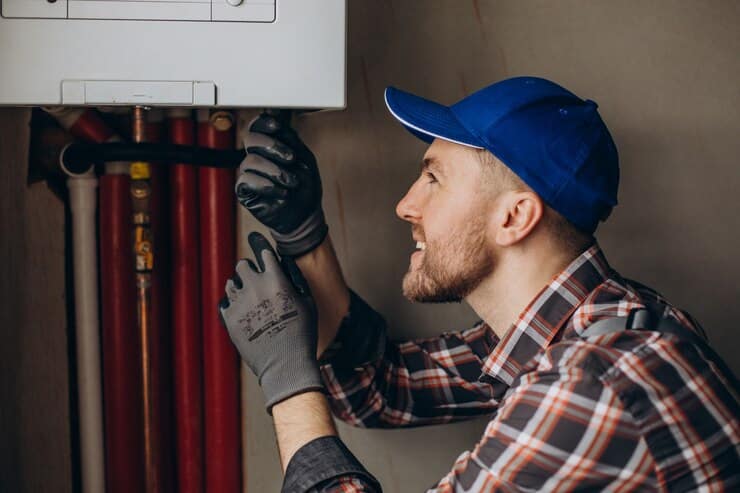
As temperatures drop, a reliable heating system becomes essential for maintaining comfort and safety. But what happens when your system starts acting up? Should you invest in heating repair, or is it time for a full replacement? Making the right decision depends on several factors, including the age of the unit, the frequency of breakdowns, and overall energy efficiency.
Understanding the differences between repair and replacement, as well as the long-term costs associated with each, can help homeowners and businesses make informed choices about their heating systems.
1. Understanding the Lifespan of a Heating System
Every heating system has a limited lifespan, and knowing when a unit is reaching the end of its service life is crucial in determining whether to repair or replace it.
Typical Lifespans of Common Heating Systems:
- Furnaces: 15–20 years
- Boilers: 20–30 years
- Heat pumps: 10–15 years
While routine maintenance can extend the life of a heating system, repairs become more frequent and costly as the unit ages.
2. Common Signs That Heating Repair Is the Best Option
Not every issue means a system needs to be replaced. Some problems are minor and can be resolved with simple repairs.
When Repairing the Heating System Makes Sense:
- A sudden breakdown with no history of issues. If the system has been working well and suddenly stops, a single repair may be enough.
- Unusual noises or odors. Loud bangs, squealing, or musty smells may indicate a minor issue that can be fixed.
- Inconsistent heating. If some rooms are colder than others, adjustments to airflow or minor component replacements might resolve the problem.
- Thermostat problems. If the system fails to reach the desired temperature, recalibrating or replacing the thermostat could be a simple fix.
If the heating system is relatively new and hasn’t required frequent repairs, fixing the issue is often the most cost-effective solution.
3. When Heating Replacement Is the Better Choice
While repairs can keep a system running for a while, there comes a point when replacing the unit makes more financial and practical sense.
Signs That It’s Time for a Heating System Replacement:
- The system is more than 15 years old. Older units are less efficient and more prone to failures.
- Frequent breakdowns. If repair costs are adding up, investing in a new unit may be more economical in the long run.
- Energy bills are increasing. Older systems work harder to maintain the same level of heating, leading to higher utility costs.
- Repair costs exceed 50% of replacement costs. A good rule of thumb is that if a repair is more than half the cost of a new system, replacement is the better option.
Upgrading to a modern heating system provides long-term savings through improved energy efficiency and reduced maintenance costs.
4. The Role of Energy Efficiency in Decision-Making
Energy efficiency plays a crucial role in determining whether to repair or replace a heating system. Older units tend to use more energy, while modern systems are designed with higher efficiency ratings.
How Energy Efficiency Impacts Heating Systems:
- Newer models use advanced technology to heat homes more effectively while using less energy.
- A high-efficiency furnace or heat pump can significantly reduce monthly utility bills.
- Smart thermostats and zoning systems allow for better temperature control, reducing waste.
An HVAC contractor can assess whether a system upgrade would result in lower energy costs over time.
5. Comparing the Costs of Repair vs. Replacement
One of the biggest concerns homeowners have is the cost associated with heating repairs and replacements. While replacing a heating system requires an upfront investment, frequent repairs can add up quickly.
Cost Considerations:
- Repair Costs:
- Minor repairs (thermostat replacement, filter changes) – Low cost
- Moderate repairs (blower motor, ignition system) – Mid-range cost
- Major repairs (heat exchanger, control board) – High cost
- Replacement Costs:
- Higher initial investment but comes with manufacturer warranties and improved efficiency.
- Lower operating costs over time due to better performance.
Analyzing both short-term and long-term costs can help homeowners make financially sound decisions.
6. Heat Pump Replacement: A Special Consideration
Heat pumps serve a dual purpose, providing both heating and cooling throughout the year. Because they run year-round, they may wear out faster than traditional heating systems.
When to Consider Heat Pump Replacement:
- The system struggles to heat or cool effectively despite regular maintenance.
- The unit requires frequent refrigerant refills, indicating leaks or system inefficiencies.
- The heat pump is over a decade old and has significantly reduced performance.
Replacing an aging heat pump with a high-efficiency model can provide better climate control and lower energy costs.
7. The Environmental Impact of Upgrading a Heating System
Aging heating systems contribute to higher energy consumption and emissions. Upgrading to a modern, high-efficiency system can help reduce a home’s carbon footprint.
Eco-Friendly Heating System Upgrades:
- ENERGY STAR-certified furnaces and heat pumps use less energy while providing better performance.
- Variable-speed motors adjust output based on demand, reducing energy waste.
- Smart thermostats optimize heating schedules for efficiency.
Investing in a new heating system isn’t just about comfort—it’s also about sustainability.
8. How an HVAC Contractor Helps with the Decision-Making Process
Choosing between repair and replacement can be challenging. An experienced HVAC contractor can evaluate system performance and provide expert recommendations based on:
- The unit’s age and efficiency rating.
- The frequency of past repairs and likelihood of future issues.
- Current energy usage and potential savings with a new system.
- The size and heating needs of the home or business.
PMG Mechanical offers professional heating repair and replacement services, ensuring homeowners and businesses receive reliable and energy-efficient solutions.
9. Preparing for a Heating System Upgrade
If replacing a heating system is the best option, proper planning can help ensure a smooth transition.
Steps to Take Before Upgrading:
- Assess heating needs based on home size and climate conditions.
- Compare different heating systems to find the best energy-efficient option.
- Schedule an installation with a licensed HVAC contractor.
- Consider additional upgrades like better insulation or a smart thermostat to maximize efficiency.
Proper planning ensures that the new system meets comfort and efficiency goals.
Final Thoughts: Making the Right Heating Decision
When heating issues arise, deciding whether to repair or replace the system requires careful consideration of costs, efficiency, and long-term benefits. In many cases, minor issues can be resolved with timely repairs, but when energy bills rise and breakdowns become frequent, replacement may be the best investment.
Working with a trusted HVAC contractor helps ensure that homeowners and businesses make informed choices that align with their heating needs and budget. Whether it’s a quick fix or a full heating system upgrade, proper maintenance and expert guidance ensure reliable warmth for years to come.


Tgtune: What It Really Means and How to Use It
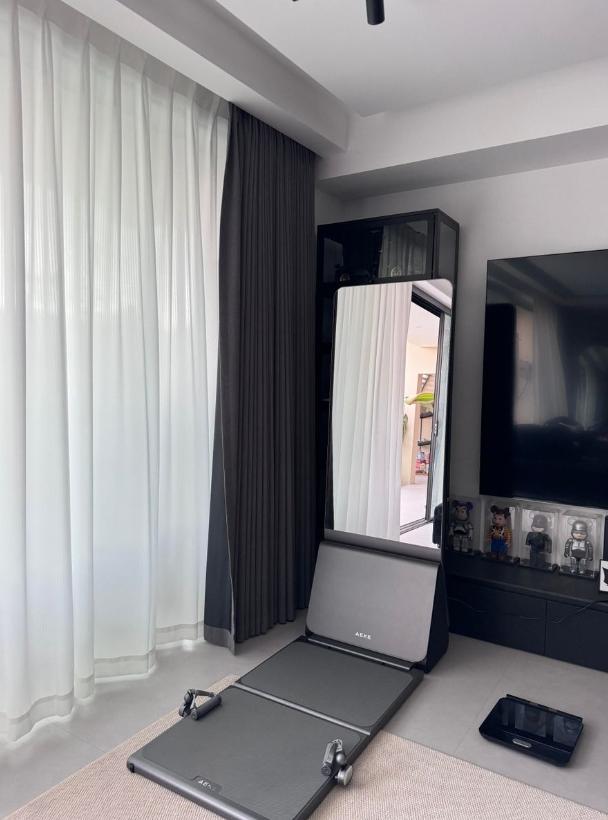
Why Traditional Home Gyms Fall Short Against Smart Mirrors