Brakes, Batteries, and Belts: The Critical Components That Keep Your Car Running
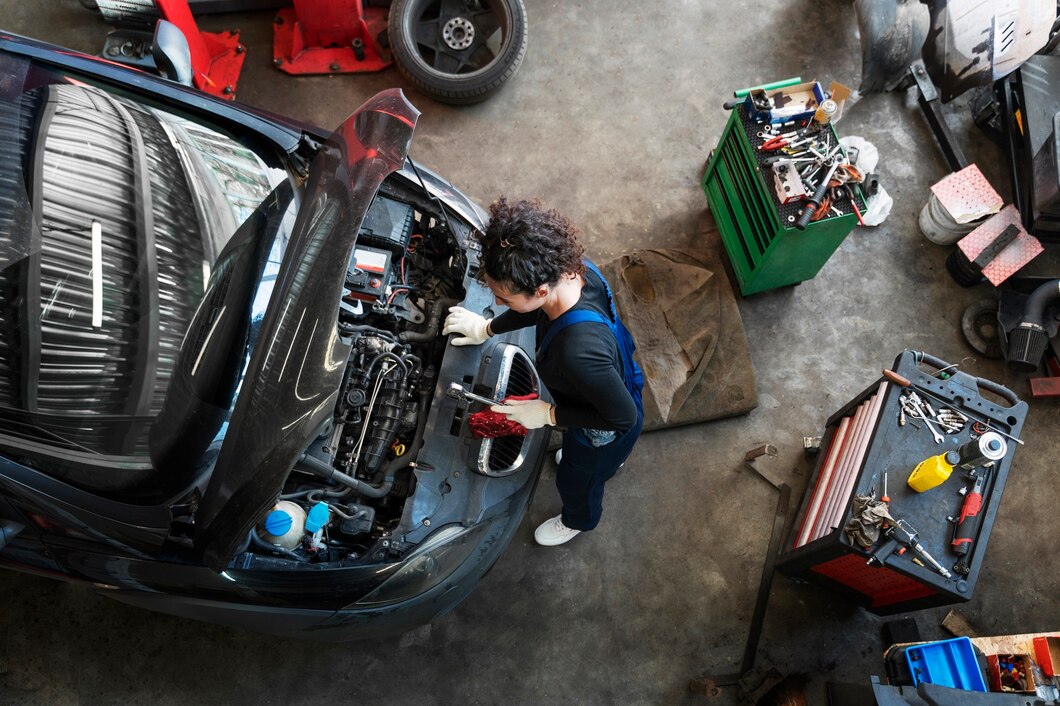
Every vehicle relies on a combination of essential parts working together to ensure smooth operation. While engines and transmissions often get the most attention, some of the most critical components in a car are its braking system, battery, and belts. These parts are responsible for safety, reliability, and efficiency, making regular maintenance crucial.
Neglecting any of these components can lead to costly auto repair services or even dangerous driving conditions. Understanding how they work and knowing when to have a mechanic inspect them can help prevent unexpected breakdowns.
1. The Braking System: Your First Line of Safety
A properly functioning braking system is essential for every driver. Whether stopping at a red light or making an emergency stop, brakes must be responsive and reliable.
✔ How Brakes Work:
- When the brake pedal is pressed, brake fluid transfers force to the brake pads.
- The brake pads create friction against the rotors, slowing the wheels.
- A properly maintained braking system ensures quick stopping power and safety.
✔ Signs Your Brakes Need Attention:
- Squealing or grinding noises – Worn brake pads may need replacement.
- Soft or spongy brake pedal – Indicates air in the brake lines or fluid issues.
- Vibrations while braking – Warped rotors can reduce braking efficiency.
✔ How to Maintain Your Brakes:
- Replace brake pads every 20,000 to 50,000 miles, depending on usage.
- Have a mechanic inspect brake fluid levels and replace them as needed.
- Listen for unusual sounds and address them early to prevent rotor damage.
Ignoring brake issues can lead to longer stopping distances, increased wear on other parts, and higher repair costs.
2. The Battery: Powering Your Vehicle’s Electrical System
The battery is responsible for starting the engine and supplying power to a car’s electrical components. A weak or failing battery can leave you stranded, making it essential to recognize signs of trouble.
✔ How Car Batteries Work:
- The battery supplies an electrical charge to start the engine.
- It powers lights, radio, dashboard electronics, and safety features.
- The alternator charges the battery while the car is running.
✔ Signs Your Battery Is Failing:
- Slow engine crank – A weak battery struggles to turn over the engine.
- Dim headlights or flickering dashboard lights – Indicates low battery voltage.
- Clicking sound when turning the key – A sign of battery failure or a bad connection.
✔ How to Extend Battery Life:
- Have a mechanic test battery performance annually.
- Clean battery terminals to prevent corrosion.
- Turn off headlights and accessories when the car is off to avoid draining power.
Most car batteries last three to five years, but extreme weather conditions and driving habits can affect longevity. Replacing a weak battery before it fails completely prevents unexpected breakdowns.
3. Belts and Hoses: Keeping Everything in Motion
Belts and hoses play a crucial role in running various engine functions, including the cooling system, power steering, and alternator. A snapped belt or leaking hose can cause overheating, loss of power steering, or complete engine failure.
✔ Types of Belts and Their Functions:
- Serpentine Belt – Powers the alternator, power steering pump, and air conditioning compressor.
- Timing Belt – Synchronizes the engine’s camshaft and crankshaft to keep the engine running smoothly.
- Drive Belts – Separate belts for older vehicles that operate different engine components.
✔ Signs of Worn Belts:
- Squealing or chirping noises – A loose or worn belt needs replacement.
- Cracks or fraying – Indicates an aging belt that could snap at any moment.
- Power steering issues or overheating – A broken serpentine belt affects multiple engine functions.
✔ How to Maintain Belts:
- Have a mechanic inspect belts during routine maintenance.
- Replace the serpentine belt every 60,000 to 100,000 miles.
- Check for signs of wear and replace belts before they fail.
✔ Hoses: The Lifeline of Your Cooling System
Hoses carry fluids such as coolant, power steering fluid, and fuel throughout the vehicle. A leaking or cracked hose can cause overheating, steering failure, or engine damage.
✔ Signs of Worn Hoses:
- Coolant leaks (green, pink, or orange fluid) – Indicates a cracked or failing hose.
- Soft or swollen hoses – Heat damage can weaken rubber hoses over time.
- Overheating engine – A failing hose can prevent coolant from circulating properly.
✔ Hose Maintenance Tips:
- Inspect hoses for cracks and leaks regularly.
- Replace hoses every four to five years or at the first sign of wear.
- Ensure hose clamps are secure to prevent leaks.
Replacing belts and hoses before they fail ensures that your car remains in peak condition and prevents unexpected engine problems.
4. Why Regular Inspections Matter
Scheduling regular inspections for brakes, batteries, and belts helps catch minor issues before they become major problems. A mechanic can perform a thorough check to ensure that:
✔ Brakes are functioning correctly and stopping efficiently.
✔ The battery holds a full charge and is free of corrosion.
✔ Belts and hoses show no visible signs of damage or wear.
Skipping these inspections can result in sudden breakdowns, expensive repairs, and reduced vehicle reliability.
5. When to Schedule Professional Auto Repair Services
While some vehicle maintenance tasks can be done at home, these components require professional expertise to ensure proper function and safety.
✔ Brake System Repairs – A mechanic can replace brake pads, check rotors, and adjust fluid levels.
✔ Battery Testing and Replacement – Professional battery checks ensure your car won’t fail unexpectedly.
✔ Belt and Hose Replacements – Mechanics inspect and replace worn-out parts before they snap.
Scheduling timely auto repair services extends the lifespan of these essential components and prevents costly emergency repairs.
6. The Cost of Neglecting Essential Car Components
Ignoring brake, battery, or belt issues can lead to expensive repairs and unsafe driving conditions.
✔ Worn brakes – Can lead to complete brake failure and costly rotor replacements.
✔ A dead battery – May leave you stranded or require a costly emergency tow.
✔ A broken serpentine belt – Can disable multiple engine functions, leading to overheating or power steering failure.
Preventative maintenance saves money by addressing small issues before they turn into major repairs.
Final Thoughts
Brakes, batteries, and belts are some of the most important components in any vehicle. Regular inspections and timely auto repair services ensure that they continue functioning properly, preventing breakdowns, accidents, and expensive repairs.
For drivers looking for expert maintenance and repair services, working with a trusted provider like Carl’s Reliable Auto Repair ensures that your car stays in peak condition year-round.
By paying attention to these critical components, car owners can ensure smoother driving, increased longevity, and greater peace of mind on the road.


Tgtune: What It Really Means and How to Use It

Why Traditional Home Gyms Fall Short Against Smart Mirrors