Choosing the right HVAC system is a critical decision for homeowners and businesses alike. Two of the most common options available are central HVAC systems and ductless systems, each with its own advantages and drawbacks. The right choice depends on factors such as energy efficiency, cost, installation complexity, and climate control needs.
This article provides a detailed comparison of central HVAC and ductless systems, examining their functionality, benefits, and ideal applications to help consumers make informed decisions.
Understanding Central HVAC Systems
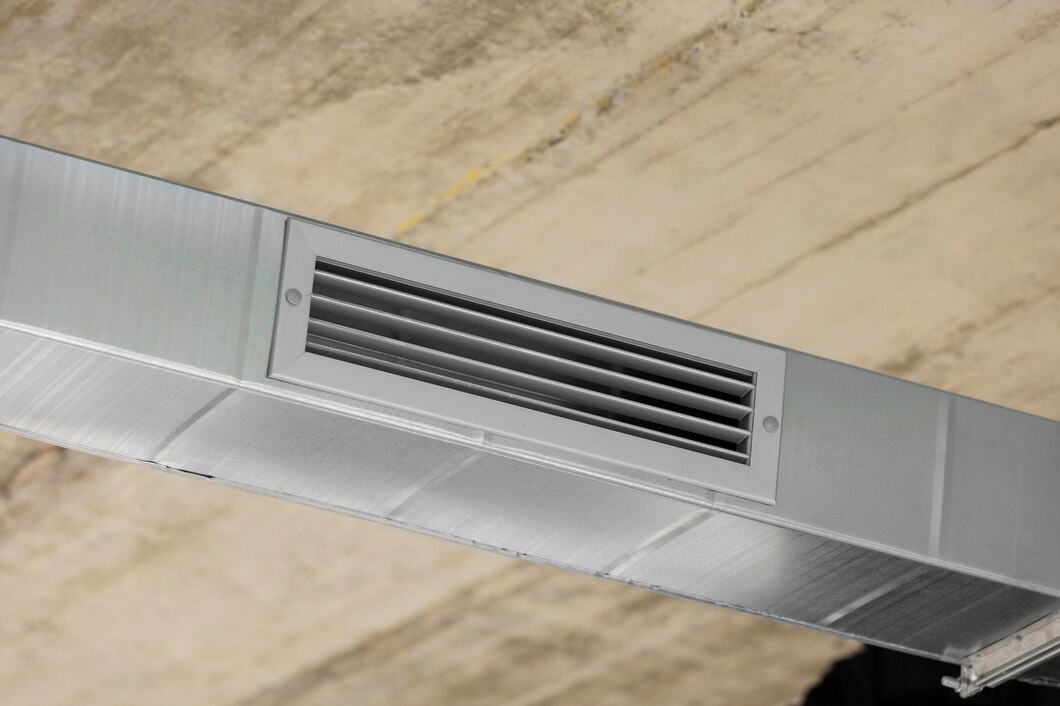
Central HVAC systems are widely used in residential and commercial buildings to provide heating and cooling throughout an entire structure. These systems rely on a network of ducts to distribute conditioned air from a central unit.
Key Components of Central HVAC Systems:
- Furnace or Heat Pump: Generates warm air during colder months.
- Air Conditioner: Cools and dehumidifies air during warmer months.
- Ductwork: Delivers conditioned air to different rooms.
- Thermostat: Regulates temperature settings.
Advantages of Central HVAC Systems:
- Whole-Home Comfort:
- Provides even heating and cooling throughout a property.
- Consistent climate control across multiple rooms.
- Improved Air Quality:
- Uses high-quality air filters to reduce allergens and pollutants.
- Can integrate with air purifiers and humidifiers.
- Increased Home Value:
- Homes with central HVAC systems are more attractive to buyers.
- Smart Thermostat Compatibility:
- Can be paired with smart controls for better energy management.
Drawbacks of Central HVAC Systems:
- Higher Installation Costs:
- Requires extensive ductwork, which can be costly and time-consuming to install.
- Energy Loss Through Ducts:
- Leaky ducts can reduce efficiency by up to 30%.
- Maintenance Requirements:
- Filters and ducts require regular cleaning and servicing.
Understanding Ductless HVAC Systems
Ductless HVAC systems, also known as mini-split systems, offer an alternative to traditional central HVAC. They consist of an outdoor unit connected to one or more indoor air handlers that distribute conditioned air directly into specific zones.
Key Components of Ductless HVAC Systems:
- Outdoor Condenser Unit: Transfers heat for cooling or heating.
- Indoor Air Handlers: Mounted on walls or ceilings, delivering conditioned air.
- Refrigerant Lines: Transport refrigerant between outdoor and indoor units.
- Remote or Smart Controls: Adjust settings for individual zones.
Advantages of Ductless HVAC Systems:
- Zoned Temperature Control:
- Individual units allow for customized climate control in each room.
- Energy Efficiency:
- No ductwork means minimal energy loss.
- Inverter technology optimizes power usage.
- Easier Installation:
- Requires only a small hole for refrigerant lines.
- Ideal for retrofitting older homes or additions.
- Lower Operating Costs:
- Reduces wasted energy by cooling or heating only occupied spaces.
Drawbacks of Ductless HVAC Systems:
- Upfront Equipment Costs:
- Individual indoor units can be more expensive than central air systems.
- Aesthetic Considerations:
- Wall-mounted air handlers may not blend well with interior design.
- Limited Air Filtration:
- Lacks the advanced air purification options found in central HVAC systems.
Which System is Best for You?
The best HVAC system depends on a variety of factors, including home size, energy efficiency goals, and budget constraints. Homeowners who value whole-home climate control and advanced air filtration may find a central HVAC system preferable, while those looking for flexibility, energy savings, and ease of installation may benefit from a ductless system. Additionally, hybrid solutions—such as supplementing a central system with ductless units in hard-to-condition areas—are becoming increasingly popular for maximizing efficiency and comfort.
If energy efficiency is a top priority, ductless systems tend to be the better choice due to their ability to avoid duct losses. However, central HVAC systems remain an excellent option for larger homes and businesses that require uniform climate control across multiple rooms. Understanding the long-term cost implications is also important. While ductless systems can reduce energy bills, the initial investment may be higher, whereas central HVAC systems often have lower upfront costs but require regular maintenance and higher utility expenses.
Another key consideration is the level of customization desired. Central HVAC systems provide a uniform temperature, but they lack the zoned control capabilities that ductless systems offer. If different rooms require separate temperature settings—such as a home office needing extra cooling while a living area remains warmer—ductless solutions offer an advantage in personalized climate management.
The Future of HVAC: Hybrid Approaches
As HVAC technology advances, many homeowners are opting for hybrid solutions that combine elements of both systems for maximum efficiency. For example:
- Ducted Mini-Split Systems: Combine the zoning benefits of ductless units with hidden air handlers.
- Supplementary Ductless Units: Installed in problem areas where central HVAC struggles to maintain temperature balance.
- Smart Home Integration: AI-powered HVAC management optimizes both central and ductless systems for peak efficiency.
New developments in smart home technology are also reshaping HVAC efficiency. With AI-based climate controls, HVAC systems can automatically adjust settings based on occupancy patterns, weather forecasts, and energy demand. Homeowners looking to future-proof their heating and cooling solutions should consider investing in these integrated systems that merge ductless efficiency with the whole-home control of central HVAC units.
Conclusion
Both central HVAC and ductless systems have distinct advantages and drawbacks. The right choice depends on home layout, efficiency goals, and budget considerations. Homeowners looking for whole-home temperature regulation may benefit from a central HVAC system, while those seeking flexibility and energy savings might find ductless systems a better fit. Regardless of the system chosen, ensuring proper maintenance and installation is key to achieving maximum performance. Working with HVAC experts ensures that you get a system tailored to your specific needs, offering both comfort and efficiency in the long run.


Tgtune: What It Really Means and How to Use It
Why Traditional Home Gyms Fall Short Against Smart Mirrors