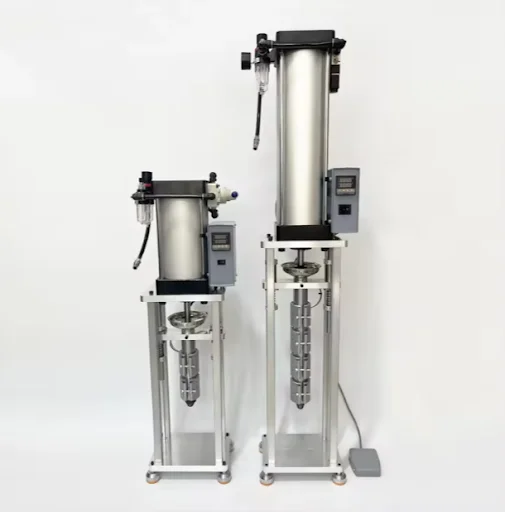
Modern manufacturing now relies on the use of factory machines. They make the production easy by undertaking monotonous, steady, and high-precision jobs, which would take much time and energy to do. Automating these operations also enables businesses to be less involved with manual labor and instead become more innovative, quality-conscious, and strategic in their planning.
Most industries, such as textiles and electronics, among others, use these machines to attain similar outcomes creatively. The accuracy of machines has not only made products of higher quality but also conserves resources, so that no time and money are wasted.
Accuracy and Minimisation of Error
Consistent output of good results and minimal error are among the main advantages of the factory machines. Workers are subject to fatigue and errors that would lead to poor quality of the products and higher business expenses. With automated machines, the instructions have been programmed to be adhered to accurately to the point that each item of products will be reported to the required stipulation.
Such accuracy minimizes the loss and operational expenses and increases productivity. It also enables businesses to conform to the industry expectations and, at the same time, retain their good reputation among the clients.
Adaptability to Modern Manufacturing Needs
The machines used in the factories are not that old now; they have become flexible in various ways with many modern systems. They are able to be reprogrammed to fit the design of a different product, the material, or the amount of production volumes. This flexibility is very useful when it comes to markets that tend to be customized or in which the demands vary.
An example is that robotic assembly lines can switch between the type of product being assembled in a few minutes, and thus, automated packaging equipment can readily accept different-sized products without manual changeover. This flexibility implies that the producers will be able to respond to the shifts in the market and the client demands very soon.
Safety and Ergonomics
The safety aspect of any industrial facility is one of the most important ones. The modern factory machines have sensors, automatic switch-off mechanisms, and ergonomic designs to minimize risk to operators. These characteristics reduce accidents, safeguard employees, and conserve production productivity. The secure functioning of these machines is further boosted by proper training and observance of rules and regulations regarding safety.
Energy Efficiency and Sustainability
There is also a greater relevance of sustainability to the manufacturing sector, and the government is ensuring that many machines in the manufacturing sector are designed to conserve energy. They are also more economical in electricity consumption and emission and make the most out of available resources. Acquisition of eco-friendly equipment not only makes the operations cheaper but also creates a responsibility to the environment, which modern consumers and clients associate themselves with.
Conclusion
Modern manufacturing centers its manufacturing on factory machines, which are precise, adaptable, efficient, and safe. Incorporation of such machines in the production processes allows companies to minimize errors, enhance product quality, and cope with the market demands, among others. The purchase of modern equipment promotes environmentally sound operation, increases the efficiency of workflow, and prepares production companies to win the competition in the long term.


Tgtune: What It Really Means and How to Use It
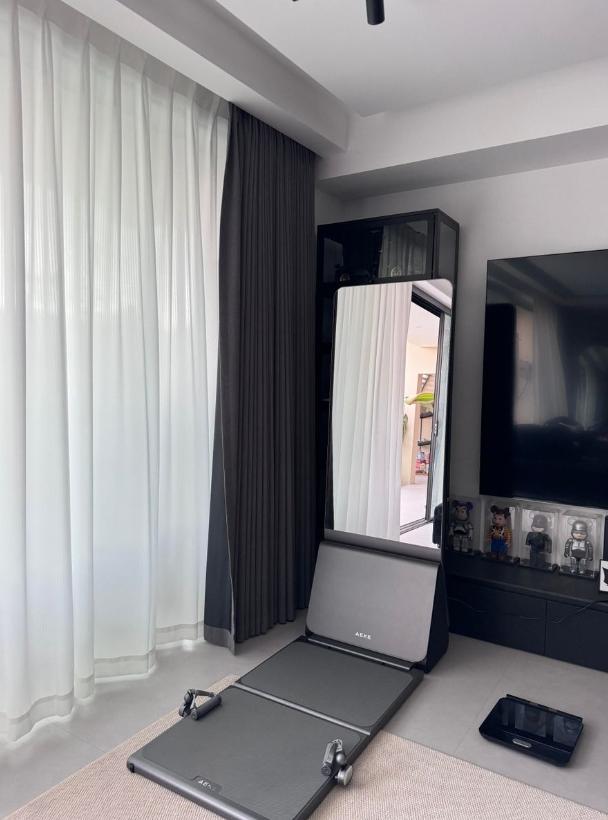
Why Traditional Home Gyms Fall Short Against Smart Mirrors